


 Deutsch
 English
 Español
 Français
 Nederlands
 Português


 Share





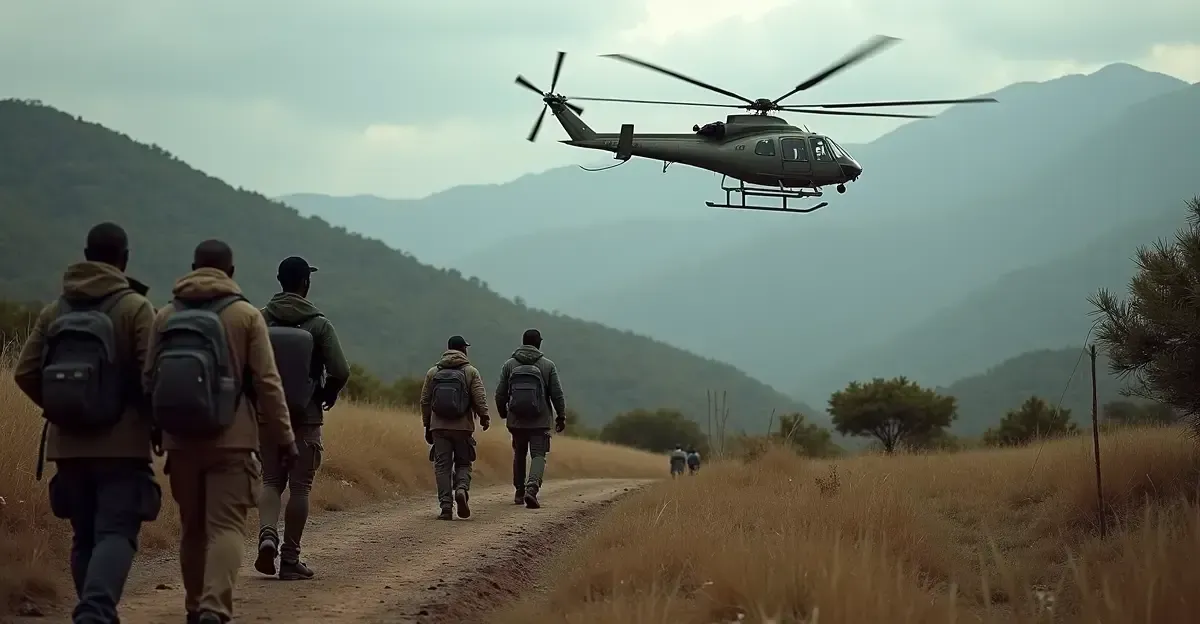
An Everest helicopter collision on Tuesday, November 3, 2026, killed a 47-year-old Indian tourist and injured two other people at the high-altitude village of Pheriche. The two Airbus AS350 helicopters were approaching the Pheriche helipad when their rotor blades clipped, sending both aircraft down about 150 km northeast of Kathmandu in Nepal's Khumbu region.
What Happened in the Pheriche Helicopter Collision?
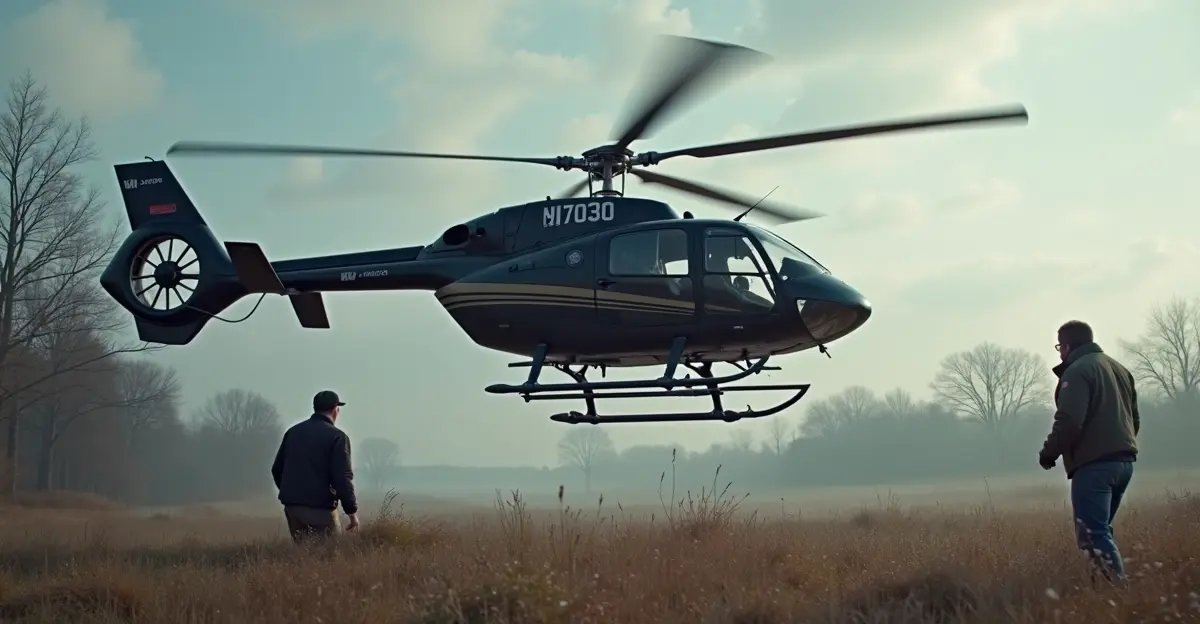
According to Nepal's Civil Aviation Authority and local police, the collision occurred at approximately 8:11 a.m. local time. One helicopter, a Fishtail Air H125 registered 9N-AJR, was arriving from Gorakshep with two passengers. The other, an Air Dynasty H125 registered 9N-AOD, was flying cargo from Lukla. Everest base camp helicopter flights are common during the busy autumn trekking season, but the two aircraft reportedly approached the landing zone from opposite directions before their rotor blades struck roughly 2–3 metres above the ground.
Victims and Casualties
The deceased was identified as Vasanth Kumar Balaramudu, a 47-year-old Indian tourist from Chennai travelling on the Fishtail Air helicopter. A 49-year-old New Zealand resident of Indian origin, Shailesh Krishna Patel, was injured and airlifted to Mediciti Hospital in Kathmandu. Both pilots — Captain Rabindra Prajapati of Fishtail Air and Captain Prajwal KC of Air Dynasty — sustained minor injuries and were also taken to Kathmandu for treatment.
Why Helicopter Safety Around Everest Is Under Scrutiny
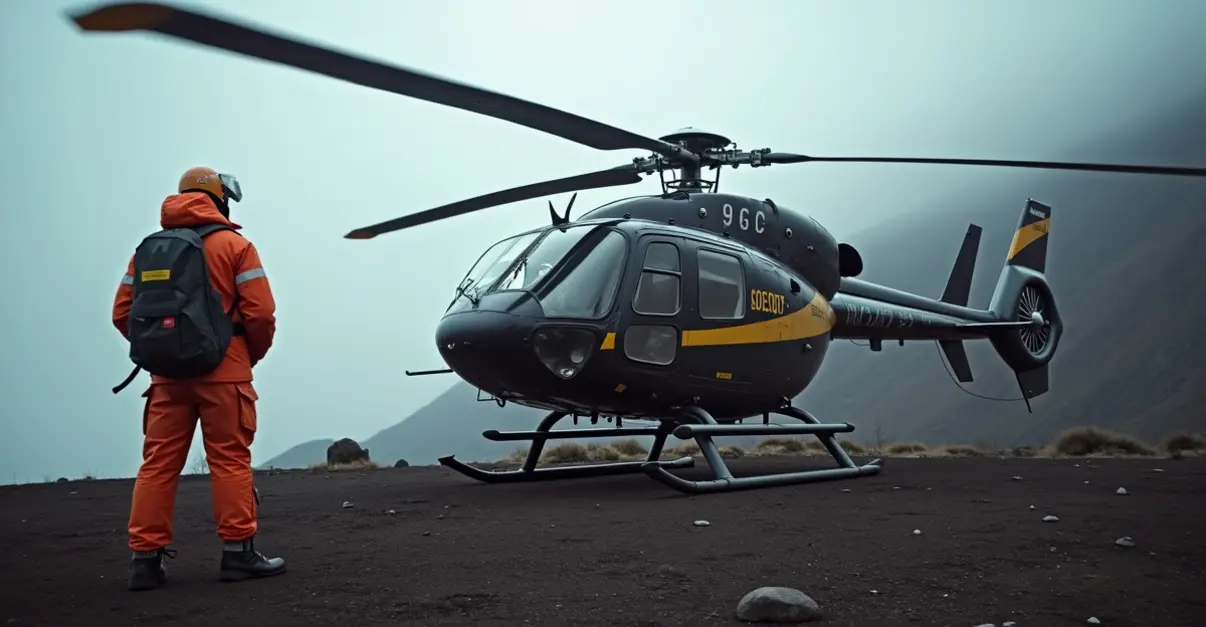
Pheriche sits at about 4,200 metres on the Everest Base Camp trekking route, where helicopters provide essential transport and rescue services because there are no roads on the mountain. The Himalayan Rescue Association operates a seasonal hospital in Pheriche, and the village is a key acclimatization stop for climbers. Helicopters are the only way to bring down sick or exhausted trekkers, said a local rescue official.
The crash is the second incident on the route that week: a suspected cooking gas cylinder explosion sparked a fire at a Dingboche hotel on October 30, though no casualties were reported. Nepal's helicopter safety record remains a concern — a 2025 government report recorded 40 crashes and 92 deaths over 63 years, and a 2023 Manang Air accident killed six people.
Investigation and Response
Nepal's Civil Aviation Authority has launched an investigation into aircraft movements, landing procedures and communication. The area lies outside Lukla tower's air traffic control coverage, and the authority's director general suggested possible pilot miscommunication as a factor. No suspension of Everest helicopter services has been confirmed. The Indian Embassy in Kathmandu is assisting with repatriation of the victim's remains.
What Does the Pheriche Crash Mean for Everest Tourism?
The collision highlights the pressures of Nepal helicopter safety and high-altitude rescue operations during peak trekking season. Mount Everest draws thousands of climbers and trekkers each autumn and spring, and Pheriche is a critical waypoint below the South Base Camp. While the Nepalese government has previously tried to limit climber numbers, helicopter traffic continues to rise alongside tourism demand.
FAQ: Everest Helicopter Collision at Pheriche
Where did the Everest helicopter collision happen?
The collision occurred at the Pheriche helipad in Nepal's Solukhumbu district, about 4,200 metres above sea level on the route to Mount Everest Base Camp.
Who was killed in the Pheriche helicopter crash?
A 47-year-old Indian tourist, Vasanth Kumar Balaramudu of Chennai, died in the crash. A New Zealand passenger and two pilots were injured.
What caused the Everest helicopter collision?
The cause is under investigation, but early indications point to possible pilot miscommunication as the two helicopters approached the landing zone from opposite directions.
Are Everest helicopter flights still operating?
There is no confirmed suspension of helicopter services. Nepal's Civil Aviation Authority is investigating the incident while flights continue to support trekkers and rescue operations.


Follow Discussion