


 Deutsch
 English
 Español
 Français
 Nederlands
 Português


 Share
Share




What is Nepal's New Mount Everest Regulation?
Nepal has enacted a groundbreaking new law requiring all Mount Everest climbers to first summit a 7,000-meter peak within Nepal before attempting the world's highest mountain. This 2026 regulation represents the most significant change to Everest climbing rules in decades and aims to address the growing crisis of overcrowding, inexperienced climbers, and safety concerns on the 8,848-meter peak. The new requirement is part of Nepal's comprehensive Tourism Bill 2081, which passed unanimously and will become national law after final approval by the House of Representatives and President.
Why Nepal is Implementing Stricter Everest Rules
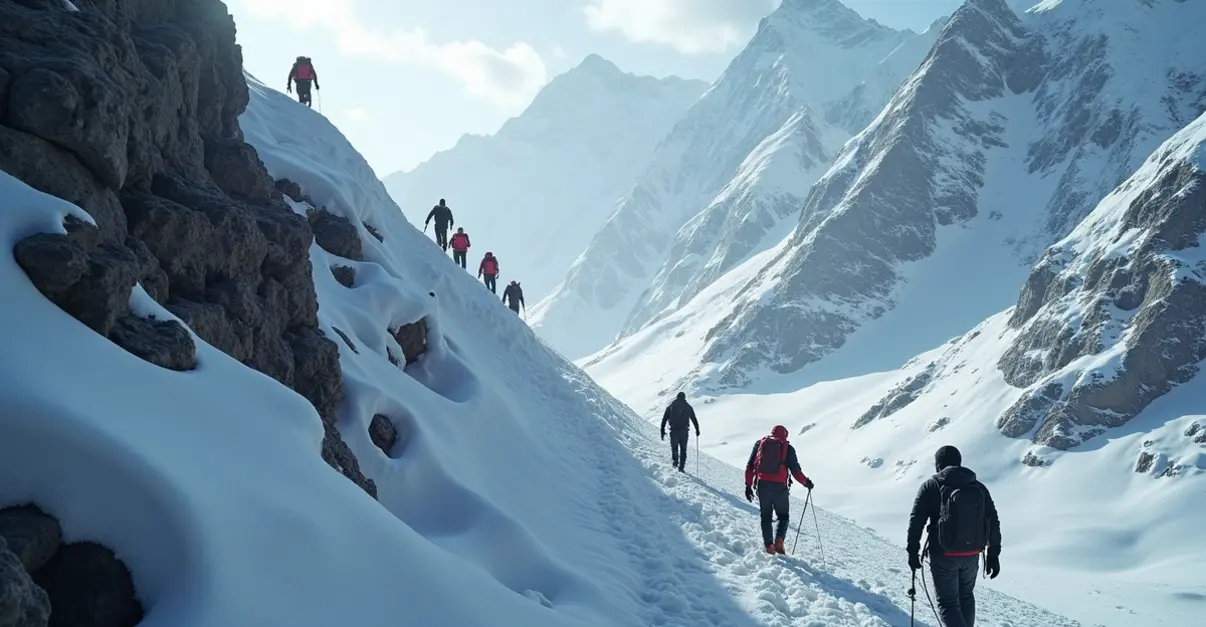
The Nepalese government is taking decisive action to combat what has become known as the 'Everest crisis.' With climbing permits generating nearly $15,000 each during peak season, Everest has become a lucrative but dangerous tourist attraction. The mountain has seen record numbers of climbers in recent years, with 900 permits issued in 2024 and similar numbers expected for 2025. This overcrowding has led to dangerous summit queues, like the infamous 2019 photo showing climbers waiting hours in the 'Death Zone' above 8,000 meters, risking frostbite and altitude sickness.
'The regulation aims to reduce inexperienced climbers on Everest, addressing congestion, accidents, and rescue service strain,' explains mountaineering expert Nirmal Purja, whose 2019 photo highlighted the overcrowding problem. The new rules come after a particularly deadly 2023 season with 18 fatalities, though 2025 saw improvement with only 5 deaths among 456 foreign climbers.
The 7000-Meter Peak Requirement Explained
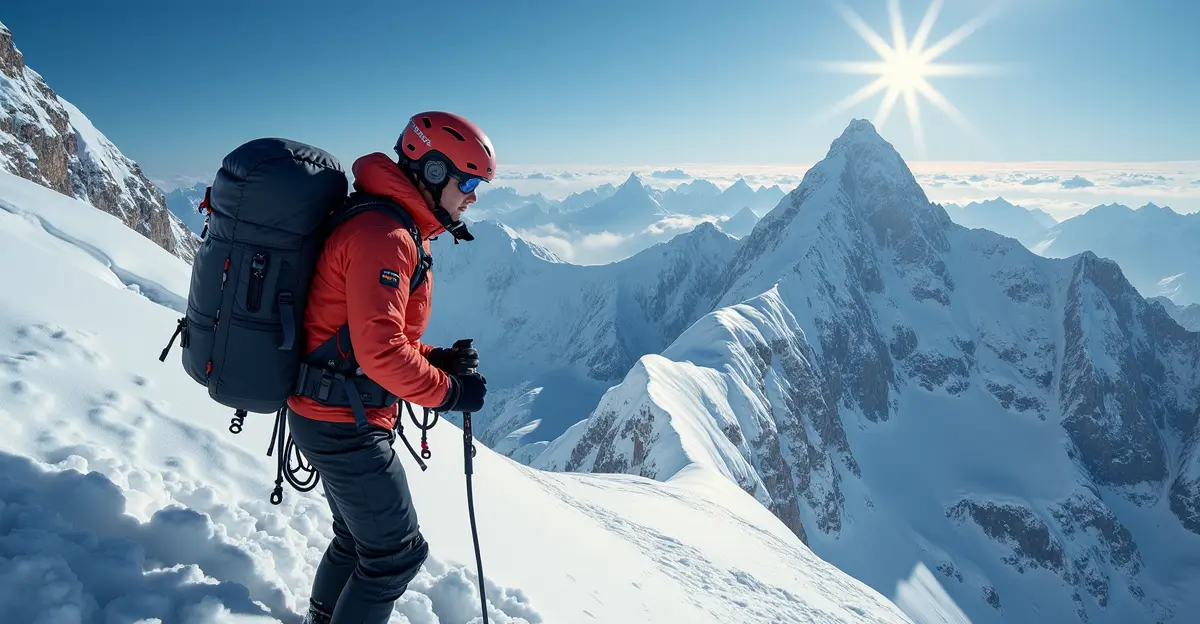
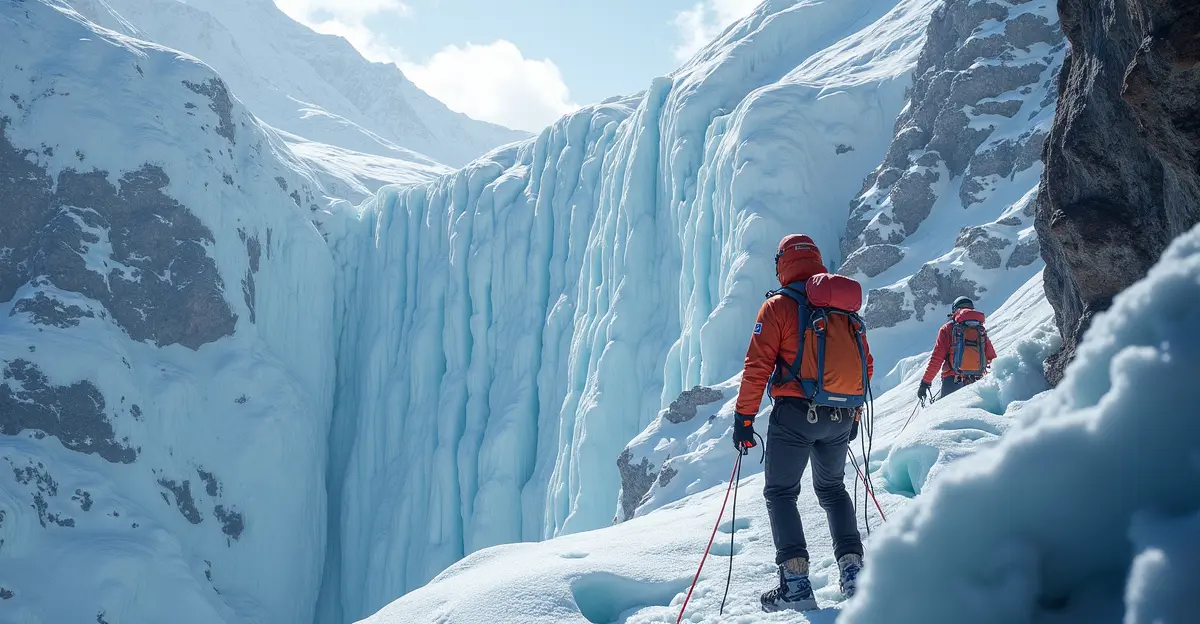
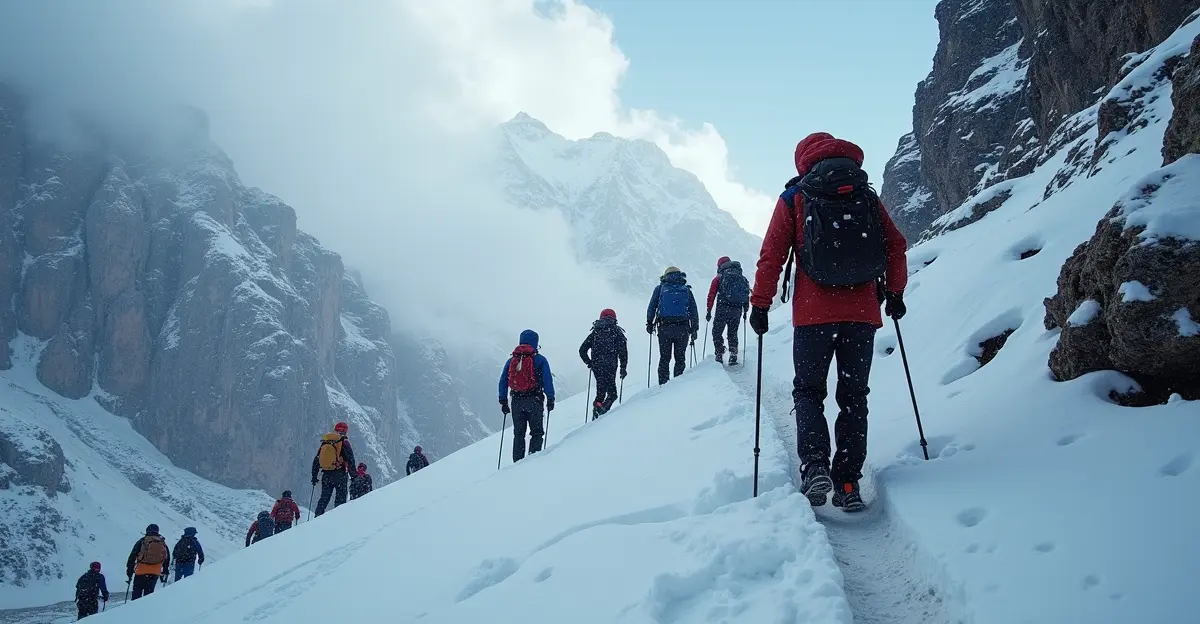
Under the new law, climbers must provide documented proof of summiting one of Nepal's 86 peaks between 7,000-7,999 meters. This ensures climbers develop essential high-altitude skills including technical gear competency, rope management, energy conservation, and crampon work before attempting Everest's extreme conditions. The requirement keeps revenue within Nepal, as climbers must pay spring climbing royalties ranging from $500-$800 for these preparatory peaks.
Nepal offers several suitable 7,000-meter peaks for this mandatory experience, including Himlung Himal (7,126m), Baruntse (7,129m), and Putha Hiunchuli (7,246m). These mountains serve as ideal training grounds, similar to how Kilimanjaro climbing regulations have evolved to manage tourist safety on Africa's highest peak.
Additional Safety and Environmental Measures
The Tourism Bill includes several other critical provisions beyond the 7,000-meter requirement:
- Mandatory Health Certificates: All expedition members must provide recent medical certificates issued within the last month
- Environmental Protection Fund: Creation of an Environment Protection and Mountaineers' Welfare Fund to address Everest's trash problems
- Detailed Climbing Plans: Expeditions must submit comprehensive plans specifying routes, oxygen use, and climbing styles
- Nepali Staff Requirement: All expedition support staff must be Nepali citizens
- Missing Persons Protocol: Authorities can declare climbers dead after one year of no contact
These measures build on previous changes, including last year's 36% increase in peak-season permit fees to $15,000 and mandatory $4,000 garbage deposits. The environmental fund consolidates previous fees and deposits to address the mountain's growing waste problem, where melting glaciers regularly reveal decades-old trash and even human remains.
Impact on Mountaineering Industry and Tourism
The new regulations will significantly reshape the Everest climbing industry. While some commercial operators worry about reduced demand, safety advocates welcome the changes. 'This ensures climbers develop essential skills before entering the dangerous Death Zone above 8,000 meters,' says a spokesperson from Expedition Himalaya. The rules particularly address concerns about inexperienced 'tourist climbers' who rely heavily on Sherpa support without proper preparation.
Mount Everest climbing generates crucial revenue for Nepal, with permit fees alone contributing millions annually. The industry also provides employment for thousands of Sherpas and porters. However, the human cost has been high, with an estimated 340 deaths since 1921, many of whose bodies remain on the mountain. The new regulations aim to balance economic benefits with safety, similar to how Himalayan rescue operations have evolved to handle increasing emergencies.
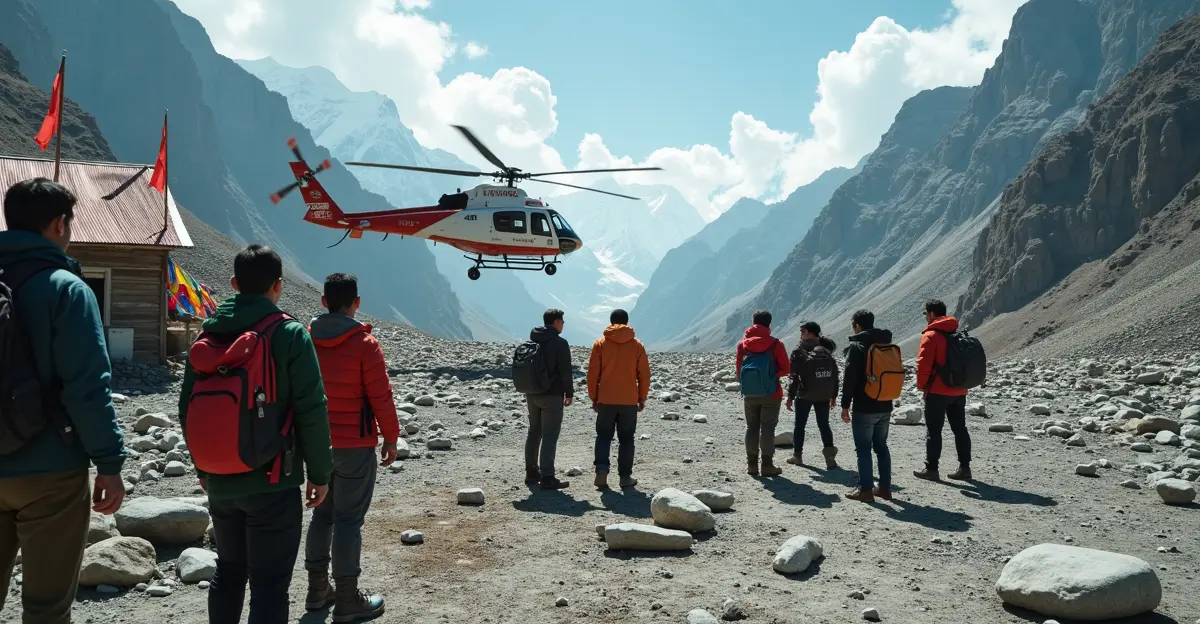
The timing is critical, as climate change accelerates glacial melt on Everest, revealing more bodies and creating new climbing hazards. Recent years have seen dramatic rescues, like the October 2025 operation that saved 350 tourists trapped by a sudden snowstorm. These incidents highlight the need for better-prepared climbers and more robust emergency systems.
Comparison: Old vs New Everest Regulations
| Old Regulations (Pre-2026) | New Regulations (2026+) |
|---|---|
| No minimum experience requirement | Must summit 7,000m peak in Nepal first |
| Permit fee: $11,000 (2023) | Permit fee: $15,000 (2026) |
| Limited environmental regulations | Environmental fund + $4,000 garbage deposit |
| Optional health certificates | Mandatory recent health certificates |
| Mixed nationality support staff | All support staff must be Nepali citizens |
Frequently Asked Questions
When does the 7,000-meter requirement take effect?
The regulation is part of Nepal's Tourism Bill 2081 and will become law after final parliamentary approval. It won't affect the 2026 spring climbing season but is expected to be fully implemented for 2027.
Which 7,000-meter peaks qualify for the requirement?
Climbers must summit one of Nepal's 86 peaks between 7,000-7,999 meters. Popular options include Himlung Himal, Baruntse, and Putha Hiunchuli, all offering excellent high-altitude training.
How will this affect Everest climbing costs?
Costs will increase significantly, as climbers must now budget for both a 7,000-meter expedition ($20,000-$30,000) plus the Everest permit ($15,000) and full expedition costs ($45,000-$100,000+).
Will this reduce overcrowding on Everest?
Experts believe the experience requirement will naturally limit numbers by filtering out less-prepared climbers, though the permit system itself still has no annual limit.
What about climbers with experience outside Nepal?
The requirement specifically mandates a 7,000-meter summit within Nepal, ensuring revenue stays in the country and climbers adapt to Himalayan conditions.
Follow Discussion