


 Deutsch
 English
 Español
 Français
 Nederlands
 Português


 Share
Share




What Happened in the Hawaii Helicopter Crash?
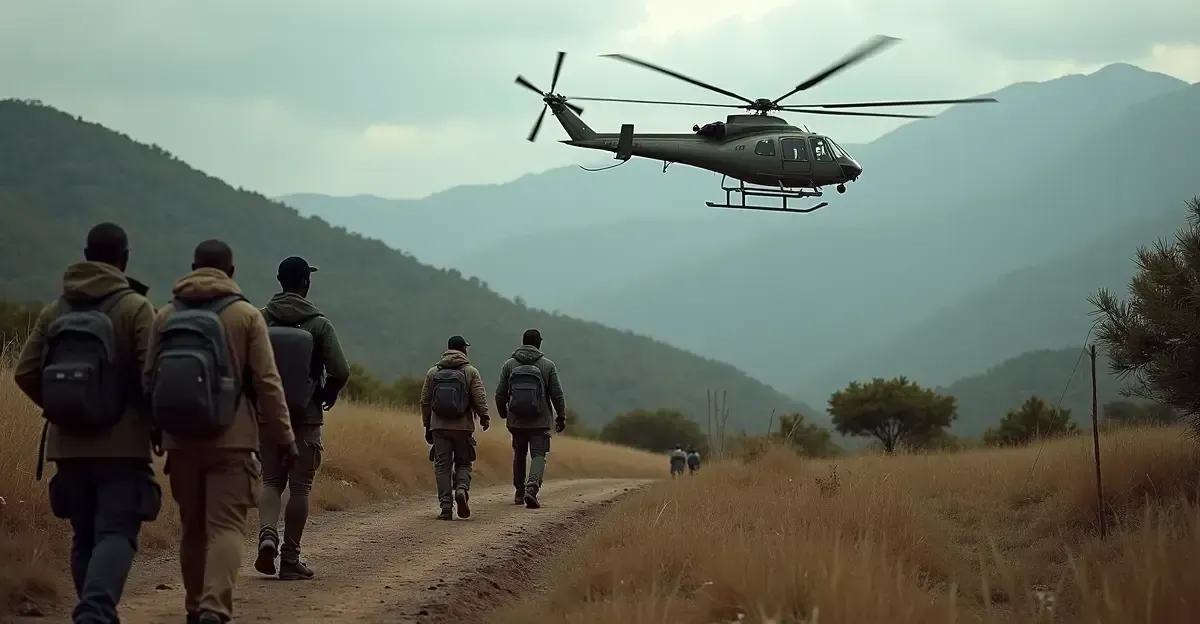
A tragic helicopter crash off Kauai's remote Nāpali Coast has left three people dead and two injured, marking another fatal incident in Hawaii's troubled air tour industry. The Airborne Aviation tour helicopter, a Hughes/MD 500 model, crashed into the ocean near Kalalau Beach on Thursday, March 26, 2026, around 3:45 p.m. local time. The helicopter was carrying one pilot and four passengers on a scenic tour of the famous coastline when it went down approximately 100 yards offshore on a sandbar.
Rescue Operation and Victim Details
The U.S. Coast Guard received a text-to-911 alert about the crash and immediately launched a complex rescue operation involving multiple agencies. Due to the remote location of Kalalau Beach—accessible only by hiking, boat, or air—rescuers utilized helicopters and jetskis to reach the crash site. Two survivors were transported to Wilcox Medical Center for treatment, while three passengers were pronounced dead at the scene.
Two of the victims have been identified as Massachusetts residents Margaret Rimmler, 65, and Patrick Haskell, 59. The third fatality is a 40-year-old woman whose identity is being withheld pending family notification. The pilot's condition and identity have not been released by authorities. Airborne Aviation has suspended all tour operations indefinitely pending investigation.
Challenging Geography and Weather Conditions
The Nāpali Coast area where the crash occurred is known for its treacherous geography with tall seaside cliffs and sharp mountain ridges that create turbulent air and sudden weather changes. These conditions pose significant hazards for aviation, particularly for low-flying tour helicopters. The area experiences rapid microclimate shifts that can catch pilots off guard, similar to conditions that have caused previous accidents in the region.
Weather reports from the time of the crash indicate challenging conditions, though official meteorological data is still being analyzed by investigators. The 2024 Nāpali Coast helicopter crash was also attributed to weather-related factors, highlighting ongoing safety concerns in Hawaii's air tour industry.
Investigation and Safety Concerns
The National Transportation Safety Board (NTSB) has launched a full investigation into the crash, with federal investigators expected to examine the wreckage as it's removed from the water. The FAA is also involved in the investigation, which will focus on multiple factors including weather conditions, pilot experience, aircraft maintenance, and operational procedures.
This incident continues a troubling pattern of fatal helicopter crashes in Hawaii, with at least 16 deaths in the past seven years. Previous notable crashes include:
- July 2024: Robinson R44 crash on Nāpali Coast killing 3 people
- December 2019: Safari Helicopters crash killing 7 people
- Multiple other incidents resulting in fatalities and injuries
The FAA implemented new safety regulations for air tour operators in Hawaii in 2023 following previous accidents, but this latest incident raises questions about whether additional measures are needed. The helicopter tourism safety regulations have been under scrutiny for years as the industry balances scenic access with passenger safety.
Industry Impact and Regulatory Response
Hawaii's helicopter tour industry, valued at approximately $150 million annually, faces renewed scrutiny following this latest fatal accident. The industry provides scenic flights over volcanic landscapes, waterfalls, and coastal areas that are otherwise inaccessible, but has been plagued by safety concerns for decades.
Following the crash, several key developments have emerged:
- Airborne Aviation has suspended all operations indefinitely
- The NTSB investigation is expected to take 12-18 months to complete
- Local authorities have cordoned off the crash area at Princeville Airport
- Multiple agencies are coordinating recovery and investigation efforts
Federal aviation authorities are reportedly considering additional restrictions on low-altitude flights over Hawaii's challenging terrain. The aviation accident investigation procedures will be closely watched by industry stakeholders and safety advocates alike.
What This Means for Hawaii Tourism
The crash has immediate implications for Hawaii's tourism industry, which relies heavily on adventure activities like helicopter tours. With over 10 million visitors annually to Hawaii, adventure tourism represents a significant portion of the state's $17 billion tourism economy.
Safety advocates are calling for:
- Enhanced weather monitoring systems in remote areas
- Stricter pilot training requirements for challenging terrain
- Improved emergency response capabilities in remote locations
- Regular safety audits of tour operators
The Hawaii Tourism Authority has not yet issued a formal statement but is monitoring the situation closely. Previous fatal accidents have led to temporary declines in helicopter tour bookings, though the industry has generally recovered within months.
Frequently Asked Questions
How many people were on the crashed helicopter?
The helicopter carried five people total: one pilot and four passengers. Three passengers died, one passenger and the pilot survived with injuries.
Where exactly did the crash occur?
The crash occurred off Kalalau Beach on Kauai's Nāpali Coast, approximately 100 yards offshore on a sandbar. This is a remote area accessible only by hiking, boat, or helicopter.
What type of helicopter was involved?
The aircraft was a Hughes/MD 500 helicopter operated by Airborne Aviation Tours. This model is commonly used for scenic tours due to its maneuverability and visibility.
How common are helicopter crashes in Hawaii?
Hawaii has experienced at least 16 helicopter crash fatalities in the past seven years, with several high-profile incidents occurring on the Nāpali Coast. The challenging geography and weather contribute to higher risk factors.
What happens next in the investigation?
The NTSB will conduct a thorough investigation examining weather data, maintenance records, pilot qualifications, and operational procedures. The investigation typically takes 12-18 months before a final report is issued.




Follow Discussion