


 Deutsch
 English
 Español
 Français
 Nederlands
 Português


 Share
Share




What Happened on Everest's Khumbu Icefall?
After a tense 19-day standoff with a massive, unstable block of glacial ice, mountaineers on Mount Everest can finally resume their ascent. A team of experienced Nepali guides, known as the Icefall Doctors, successfully established an alternative route past the colossal serac that had blocked the Khumbu Icefall since early April 2026. The reopening, confirmed on April 28, allows hundreds of climbers stranded at Base Camp to begin their acclimatization rotations toward the summit.
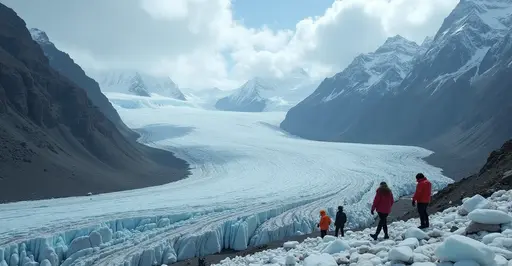
The serac—a 30-meter (98-foot) high block of glacial ice—was first detected on April 10 by route-fixing teams. It sat precariously just below Camp 1, at an elevation of approximately 6,000 meters, directly on the standard South Col route. Authorities deemed it too dangerous to cross, as any collapse could trigger a catastrophic ice avalanche similar to the 2014 disaster that killed 16 Sherpas. The blockage stranded over 400 climbers at Base Camp, representing more than $6 million in expedition investments.
How Did Guides Bypass the Ice Block?
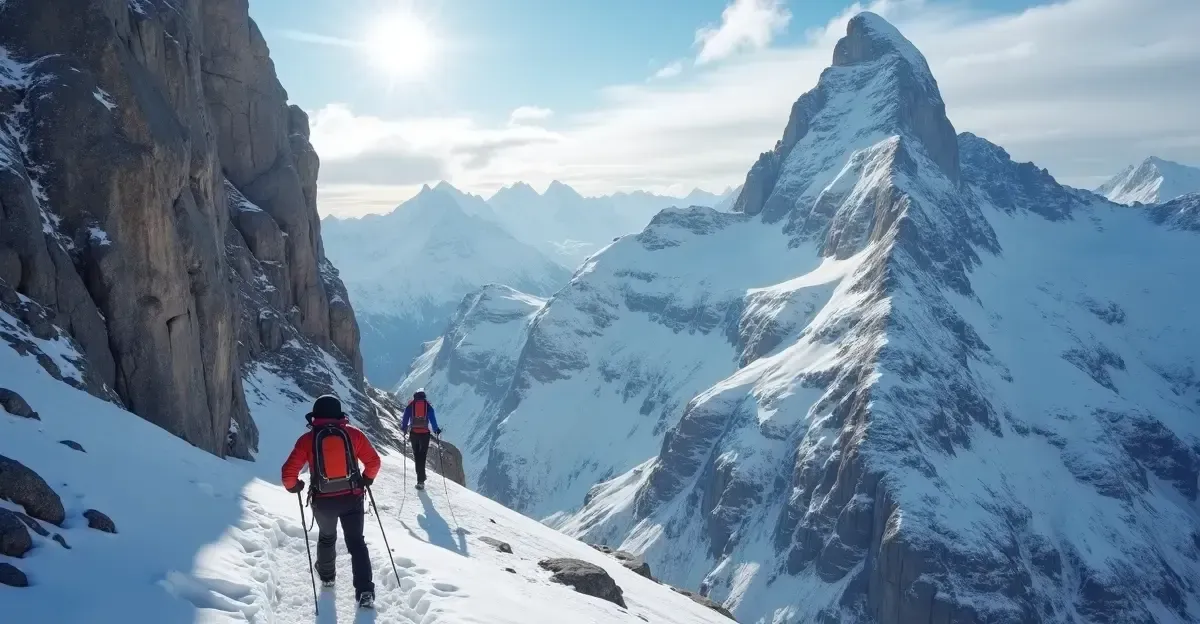
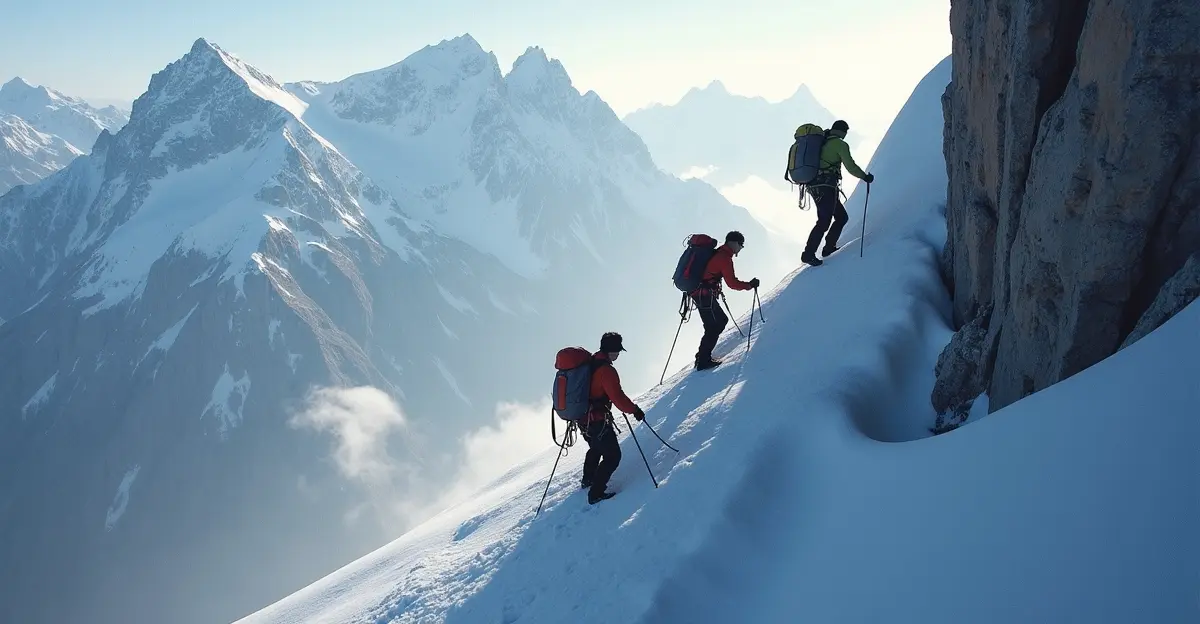
A dedicated team of 21 Icefall Doctors, supported by Sherpa guides from commercial expedition operators, worked for days to scout and fix a safe passage. Using aluminum ladders, fixed ropes, and ice anchors, they navigated a path around the unstable serac, reaching Camp 1 on April 27 and Camp 2 (at 6,500 meters) the following day. The new route avoids the direct danger zone but still passes through the notoriously treacherous Khumbu Icefall, which moves 0.9 to 1.2 meters per day and is riddled with deep crevasses and shifting ice towers.
"The serac remains in place and could collapse within four to five days," warned one expedition organizer. "We advise climbers to carry minimal loads through this section and move quickly, ideally before sunrise when the ice is most stable."
Why This Delay Matters for the 2026 Season
The spring window for summiting Everest is narrow—typically mid-to-late May, when jet stream winds subside. The 19-day delay compresses the climbing schedule, raising concerns about dangerous crowding near the summit. With over 425 permits issued for Everest alone (and more than 900 for all Himalayan peaks in Nepal), and the Tibet north side closed to international teams this year, all traffic is funneled onto the already congested South Col route.
According to the Himalayan Database, there have been 339 deaths on Everest since records began, with 44 occurring specifically in the Khumbu Icefall between 1953 and 2016. The 2014 avalanche in the icefall remains the deadliest single incident on the mountain.
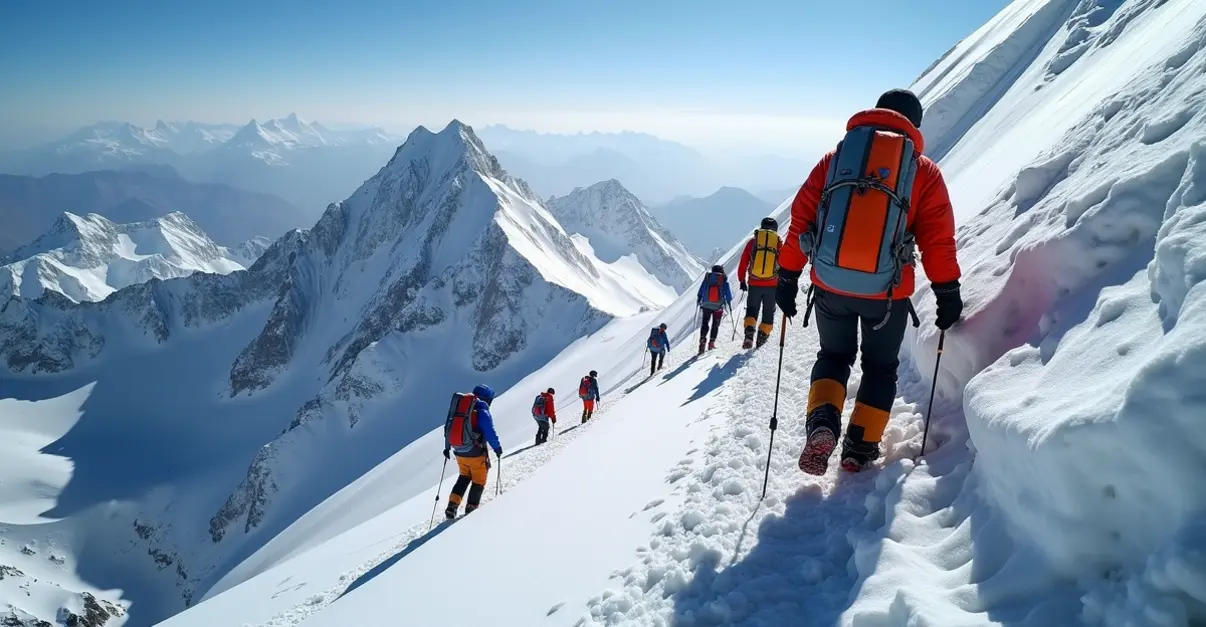
Climbers now face a compressed acclimatization schedule. Most will need to complete two or three rotations between Base Camp and Camp 3 before attempting the summit. The late start increases the risk that large numbers of climbers will converge on the summit within a narrow 3–5 day weather window, creating the infamous "traffic jams" that have proven deadly in past seasons due to hypoxia, exhaustion, and extreme cold.
What Are the Ongoing Risks?
The Khumbu Icefall is widely regarded as the most dangerous section of the Everest climb. Glacial movement, collapsing seracs, and hidden crevasses claim lives almost every season. While the Icefall Doctors have done exceptional work reopening the route, the original serac has not collapsed—it remains a looming threat. Authorities have warned that the risk of icefall and rockfall persists, and climbers must follow strict safety protocols when crossing the area.
The Everest climbing season 2026 is now fully underway, but the delay has already reshaped expedition timelines. Many teams are adjusting their summit bids to later in May, hoping for stable weather. The Nepalese government, which issued the permits, has urged caution but stopped short of imposing additional restrictions.
For those interested in the broader context of Everest logistics, the role of Sherpa guides in Everest expeditions is critical to understanding how these high-risk rescues and route fixes are accomplished. Additionally, the Nepal Everest climbing permit system continues to evolve as the government balances tourism revenue with climber safety.
FAQ: Everest Ice Block and Route Reopening
How big was the ice block that blocked Everest?
The serac measured approximately 55 meters long, 37 meters wide, and 28 meters high—roughly the size of a 10-story building.
How many climbers were stranded at Base Camp?
Over 400 climbers and support staff were stuck at Everest Base Camp during the 19-day blockage, including 98 from China, 49 from the United States, and 46 from India.
Is the Khumbu Icefall safe now?
The alternative route is open but remains dangerous. The original serac has not collapsed, and the icefall is inherently unstable. Climbers are advised to cross early in the morning with minimal equipment.
When is the best time to climb Everest?
The primary climbing window is mid-to-late May, when the jet stream moves north and wind speeds drop. A secondary window sometimes opens in September but is less reliable.
How much does an Everest permit cost?
A permit to climb Everest from the Nepal side costs $15,000 per person. Full-service expedition packages range from $46,000 to $56,000 or more.

Follow Discussion