


 Deutsch
 English
 Español
 Français
 Nederlands
 Português


 Share
Share




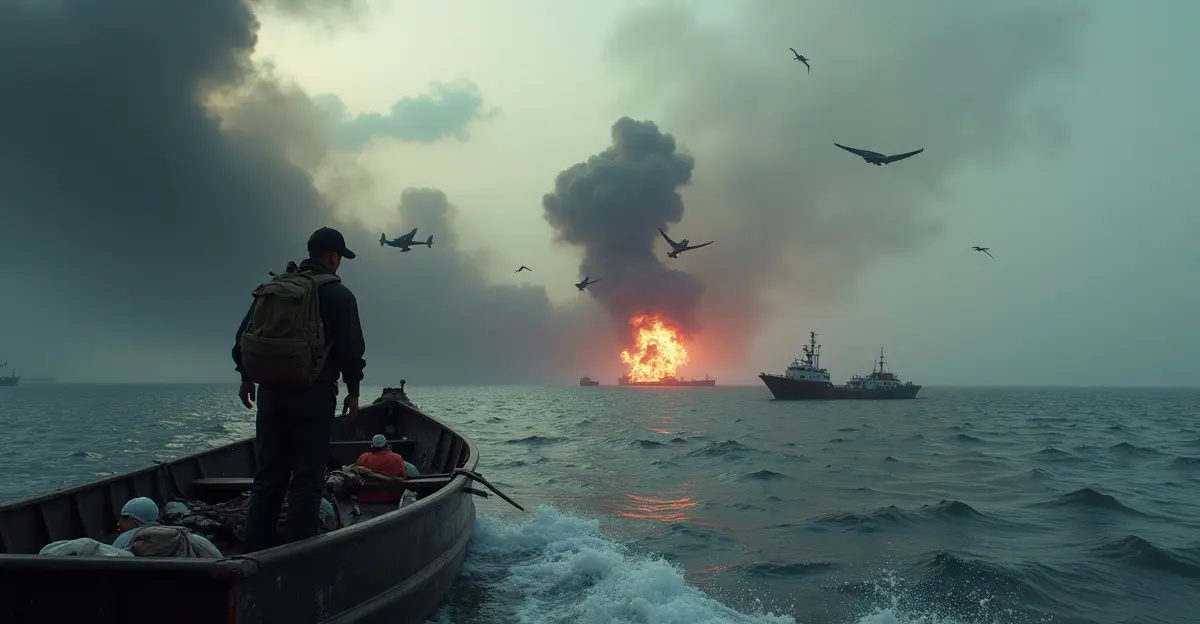
At least four people were killed on Tuesday when the U.S. military struck a suspected drug boat in the Caribbean Sea, continuing the Trump administration's controversial campaign against alleged traffickers. The U.S. Southern Command posted footage on X showing a vessel and a flash of light, but offered no proof that drugs were aboard. The strike came just two days after a similar attack in the eastern Pacific killed two people, the first such operation in more than two months.
What Happened in the Caribbean Sea Strike?
The U.S. Southern Command said its forces targeted a vessel 'operating along established narco-trafficking routes' in the Caribbean Sea. In a statement accompanying the video, the military declared it was determined to 'neutralize cartel violence across the region and into the U.S. mainland.' However, independent verification of the footage remains unavailable, and no identities or evidence of narcotics were released. This pattern echoes the broader US military boat strike campaign, where proof of drug trafficking is rarely provided.
Operation Southern Spear: A Year of Deadly Strikes
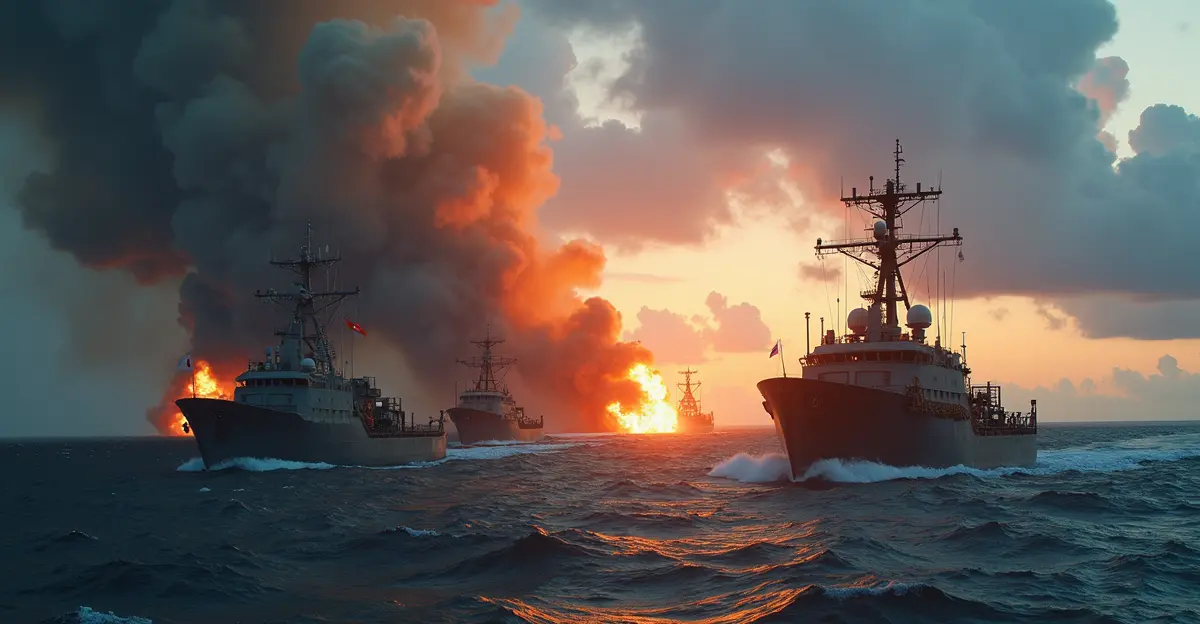
The Caribbean Sea operation is part of Operation Southern Spear, launched nearly a year ago in September 2025. According to the Associated Press, at least 68 strikes have now been carried out, killing at least 227 people. Targets have included low-profile vessels, fishing boats, and semi-submersibles along smuggling routes in the Caribbean and eastern Pacific.
Operation Southern Spear by the Numbers
- 68 strikes conducted since September 2025
- 227 people killed, according to AP
- 2 months: pause before this week's strikes
- 4 killed in Tuesday's Caribbean Sea strike
- 2 killed in Sunday's eastern Pacific strike
Legal and Human Rights Concerns Mount
Human rights organizations and United Nations experts have condemned the strikes as extrajudicial killings, arguing they bypass due process and lack evidence. Legal scholars note that drug interdiction was historically handled by law enforcement and the Coast Guard, which treated smugglers as criminal suspects with legal protections. Critics also question the effectiveness of the campaign, pointing out that most fentanyl enters the U.S. overland from Mexico rather than by sea.
'The military approach has blurred the line between war and law enforcement, with grave human rights implications,' lawyers told the International Bar Association. The Pentagon's inspector general is now reviewing whether targeting procedures were properly followed.
Impact on the Region and US Policy
The renewed strikes signal that the Trump administration is doubling down on its framing of an 'armed conflict' with cartels, despite bipartisan criticism and legal challenges. Defense Secretary Pete Hegseth has claimed that Colombia, Guatemala, and Honduras agreed to allow joint land operations, though Guatemala publicly denied the arrangement. As the campaign expands, maritime communities fear that civilian fishermen may continue to be caught in the crossfire, while the actual flow of drugs into the United States remains largely unchanged.
FAQ: US Military Drug Boat Strikes
What is Operation Southern Spear?
Operation Southern Spear is a U.S. military campaign that began in September 2025, using lethal strikes against vessels suspected of drug trafficking in the Caribbean Sea and eastern Pacific Ocean.
How many people have died in US drug boat strikes?
At least 227 people have been killed across 68 strikes since the campaign began, according to the Associated Press, though some monitors put the figure above 200.
Why are the strikes controversial?
The strikes are controversial because the U.S. military rarely provides evidence that targeted boats carried drugs, and human rights groups say the operations amount to extrajudicial killings.
When did the latest Caribbean Sea strike happen?
The latest strike occurred on Tuesday, August 25, 2026, in the Caribbean Sea, killing four people. It followed an eastern Pacific strike two days earlier that killed two.
Is the US expanding these operations to land?
Yes, the Trump administration is seeking agreements with Latin American nations to conduct joint operations on land, though Guatemala has denied reaching such a deal.
Follow Discussion