


 Deutsch
 English
 Español
 Français
 Nederlands
 Português


 Share
Share




The 2026 Iran war has entered a dangerous new phase as President Donald Trump threatened to bomb Iranian bridges and power plants in retaliation for any attack on ships in the Strait of Hormuz, while Senate Democrats blocked the $1.15 trillion defense bill in protest of the conflict without congressional authorization. The escalating hostilities have sent oil prices surging and raised fears of a global recession as the world faces an unprecedented dual-chokepoint shipping crisis.
Background: The 2026 Iran War
The 2026 Iran war began on February 28, 2026, when the United States and Israel launched airstrikes against Iran that killed several Iranian officials, including Supreme Leader Ali Khamenei. The strikes were launched amid ongoing US-Iran negotiations regarding Iran's nuclear program. What followed was the largest US military buildup in the region since the 2003 invasion of Iraq, and a conflict that has drawn in regional powers including the UAE, Saudi Arabia, and Kuwait.
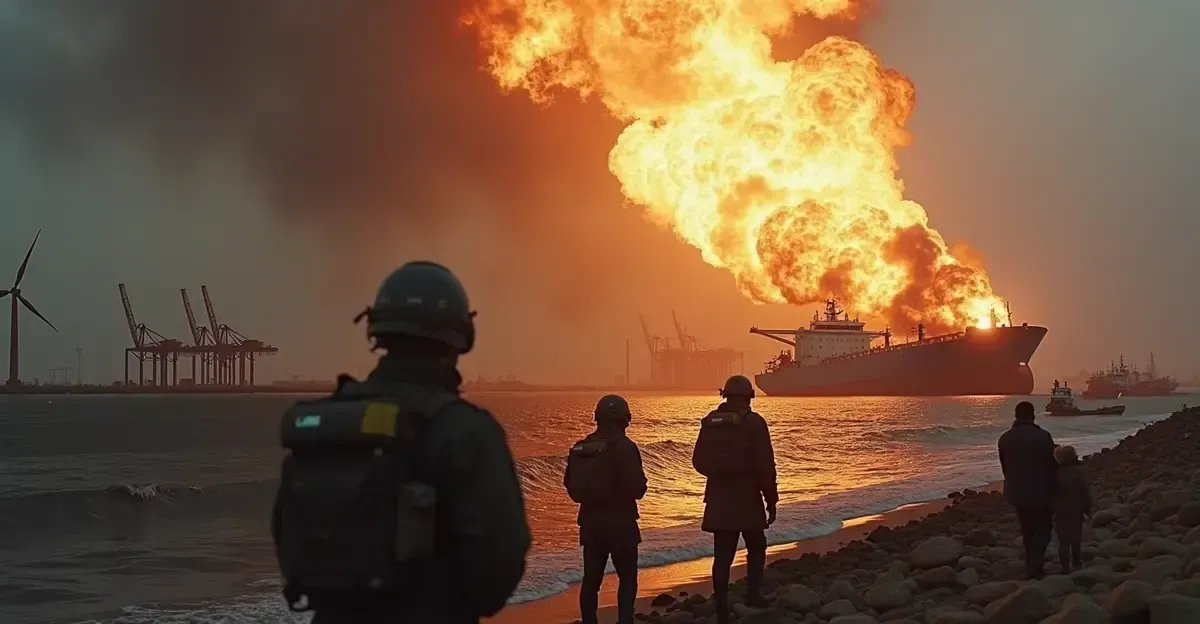
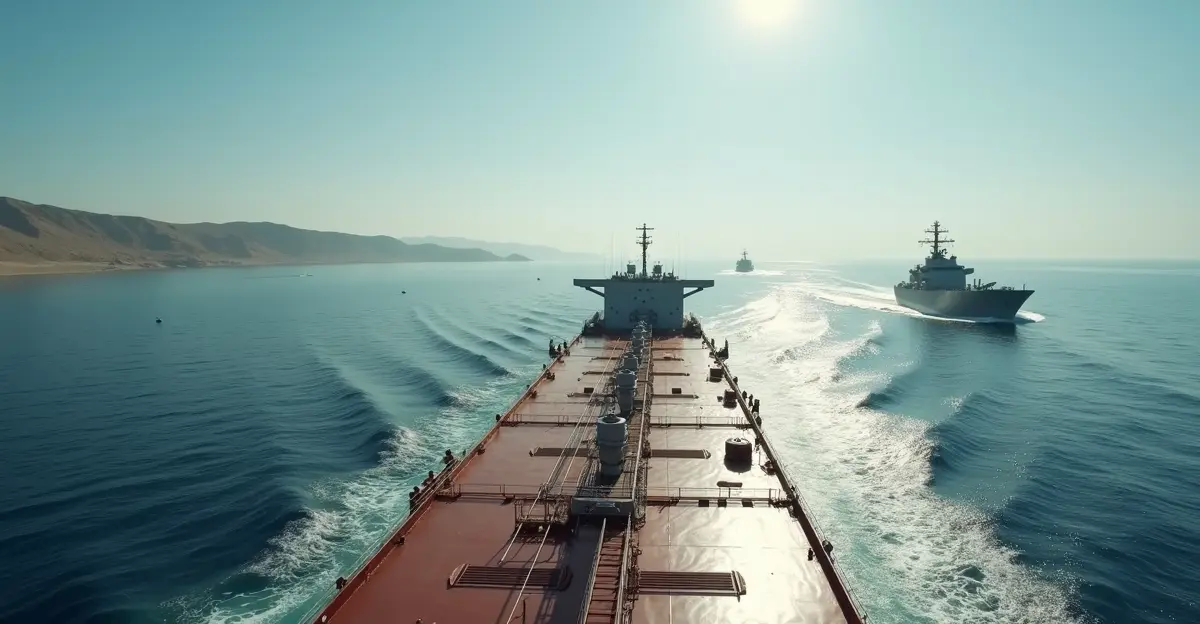
Iran responded with missile and drone attacks against Israel, US-aligned Arab countries, and US military bases across the region, and by blocking the Strait of Hormuz in late March. The strait is a critical chokepoint through which approximately 20% of global daily oil supply — some 21 million barrels — transits. The International Energy Agency called it the largest supply disruption in history.
A ceasefire signed on June 17 between Trump and Iranian President Pezeshkian collapsed on July 8 after Iran allegedly struck commercial ships, leading to renewed US strikes on Iranian territory and Iranian retaliatory strikes on US bases in Gulf States. The US-Iran conflict timeline shows a pattern of escalating retaliation.
Trump's Infrastructure Threat
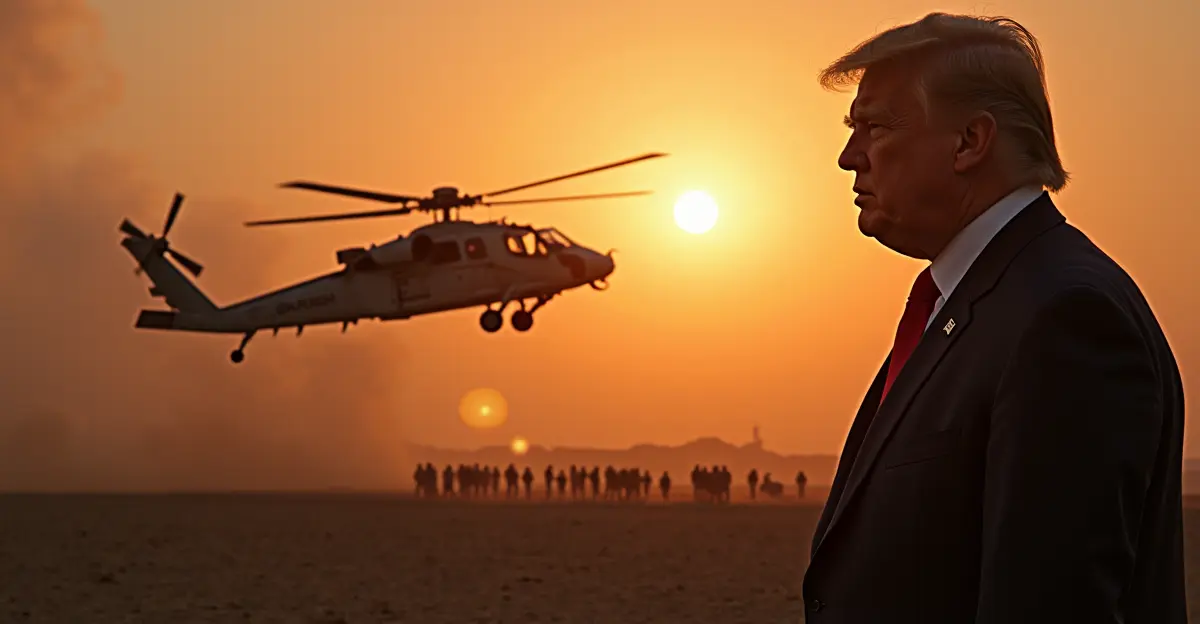
On July 22, 2026, President Trump posted on Truth Social that any Iranian attack on ships in the Strait of Hormuz — whether by missile, rocket, drone, or other weapon — would trigger the destruction of an Iranian bridge or power plant, including those near Tehran. The threat came hours before Trump attended a dignified transfer of US service members killed in an Iranian strike on a US military base in Jordan.
Secretary of State Marco Rubio accused Iran of not being 'serious' about a deal, saying Tehran demands the right to control traffic in the strait — a right it lacks under international law. US Central Command hit Iranian targets for an 11th straight night. At least 18 American service members have died since the conflict began.
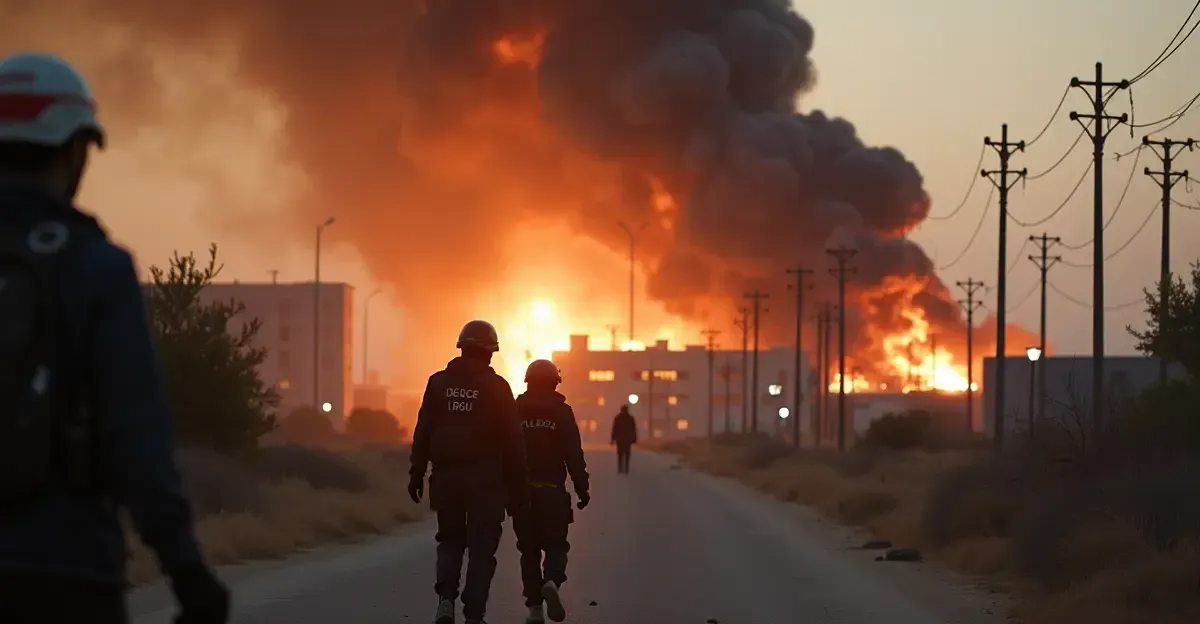
Iran responded by threatening to strike US-linked infrastructure across the region. The exchange has raised fears of a broader war that could devastate civilian infrastructure and further disrupt global energy markets. The global economic impact of the Iran war continues to deepen with each escalation.
Senate Democrats Block Defense Bill
On July 14, 2026, Senate Democrats blocked the $1.15 trillion National Defense Authorization Act (NDAA) in a procedural vote that failed 50-46, short of the 60 votes needed. Democrats cited frustration with President Trump's decision to send US forces into conflict with Iran without congressional authorization.
Senate Democratic Leader Chuck Schumer said: 'Trump started this war without authorization, without a strategy, and without an exit.' All Republicans voted in favor except Majority Leader John Thune, who voted no for procedural reasons. Democrats also objected to the administration's push to increase military spending to $1.5 trillion while cutting social programs.
The NDAA, historically a must-pass bipartisan bill that has become law annually for over 60 years, typically authorizes everything from weapons procurement to troop pay raises. The blockade marks an unprecedented partisan split over defense funding and signals growing congressional opposition to the war.
Oil Markets and Global Economic Shock
The conflict has sent shockwaves through global energy markets. Brent crude oil surged to $126 per barrel in April 2026 — a 65% monthly surge — after Iran shut the waterway. As of late July 2026, Brent was trading around $94 per barrel after the ceasefire collapse. Diesel hit $200 per barrel at its peak.
Beyond oil, the war has disrupted global supply chains across multiple sectors. Damage to Qatar's Ras Laffan facility affected 20% of global LNG and 30% of helium supplies. Shortages in automotive-grade aluminium have impacted Toyota, Nissan, and BMW. Asian economies are most vulnerable given their heavy Gulf energy dependence.
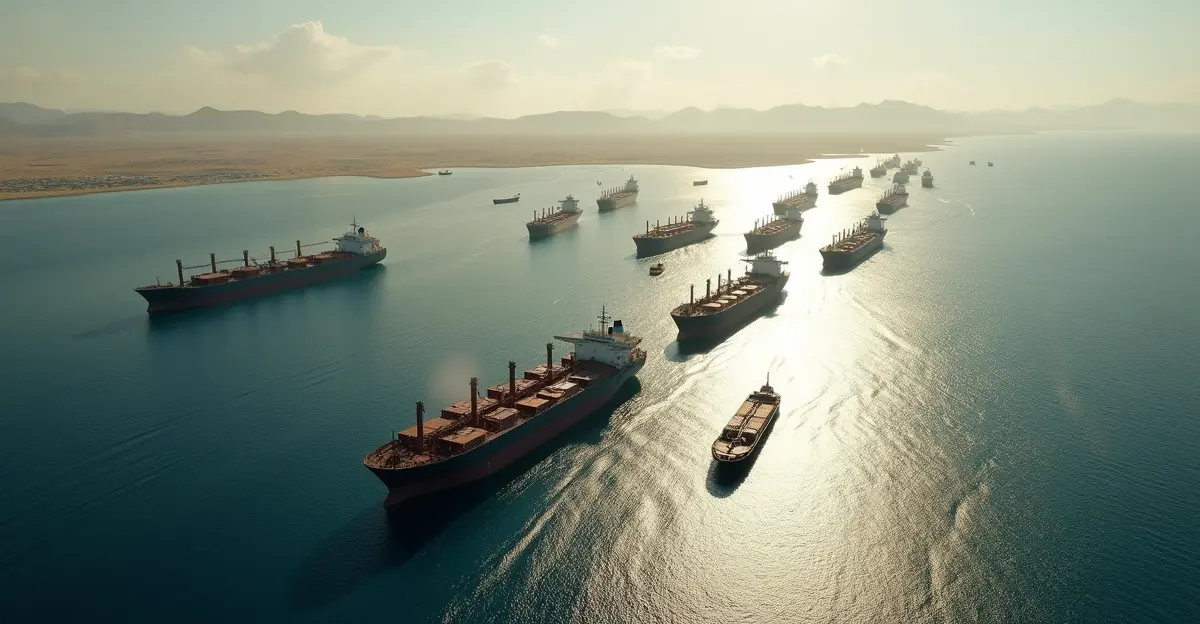
The Thomson Reuters Institute warned that the world faces an unprecedented dual-chokepoint shipping crisis affecting roughly one-third of global seaborne crude trade, as renewed Houthi attacks on the Suez corridor compound the Hormuz disruption. All five major container lines have suspended Hormuz transits.
Humanitarian Crisis in Gaza and West Bank
Meanwhile, the situation in Gaza continues to deteriorate. According to the UN, at least 57 Palestinians were killed in Gaza in the week of July 14-20, 2026, bringing total deaths since the October 2025 ceasefire to over 1,100. Israeli forces continue shifting the 'yellow line' westward, trapping Palestinians in shrinking areas while firing on those near the line.
In the occupied West Bank, settler attacks now account for 55% of Palestinian injuries in 2026, with incidents rising from one every three days in 2020 to over three per day in 2026. Over 1,330 settler attack incidents have been recorded across 250 Palestinian communities in 2026, averaging more than six per day.
The humanitarian situation in Gaza 2026 remains dire, with nearly 4,000 miscarriage cases recorded in the first half of 2026, severe maternal morbidity reaching 82 cases per 1,000 deliveries, and over 57% of pregnant women anemic.
ICE Traffic Stops Controversy
Domestically, the Trump administration faced backlash after an ICE agent fatally shot 25-year-old Johan Sebastián Guerrero in Biddeford, Maine, who was not the intended target of the operation. Homeland Security Secretary Markwayne Mullin ordered a temporary suspension of ICE vehicle stops, but President Trump overruled the decision, calling traffic stops a critical crime-fighting tool.
The incidents highlight tensions between the administration's goal of approximately 2,000 daily immigration arrests and public safety concerns. ICE agents face pressure to meet arrest targets while community networks have made home arrests less effective. ICE is now implementing additional training on high-risk stops and crowd control.
FAQ
What is the 2026 Iran war?
The 2026 Iran war is a conflict between the United States and Israel against Iran and its regional allies that began on February 28, 2026, following US-Israeli airstrikes that killed Iranian officials including Supreme Leader Ali Khamenei.
Why is the Strait of Hormuz important?
The Strait of Hormuz is a critical maritime chokepoint through which approximately 20% of global daily oil supply (21 million barrels) transits. Its closure by Iran has caused the largest oil supply disruption in history.
What did Trump threaten regarding Iran?
On July 22, 2026, President Trump threatened to bomb Iranian bridges or power plants, including those near Tehran, every time Iran attacks a ship in the Strait of Hormuz.
Why did Senate Democrats block the defense bill?
Senate Democrats blocked the $1.15 trillion NDAA on July 14, 2026, citing President Trump's decision to go to war with Iran without congressional authorization and objecting to increased military spending while cutting social programs.
What is the economic impact of the Iran war?
The war has caused oil prices to surge above $120 per barrel, disrupted global supply chains across energy, automotive, and fertilizer sectors, and prompted warnings from the IMF that a prolonged conflict could trigger a global recession.
Follow Discussion