


 Deutsch
 English
 Español
 Français
 Nederlands
 Português


 Share
Share




Half a Century Since Concorde's First Commercial Flight
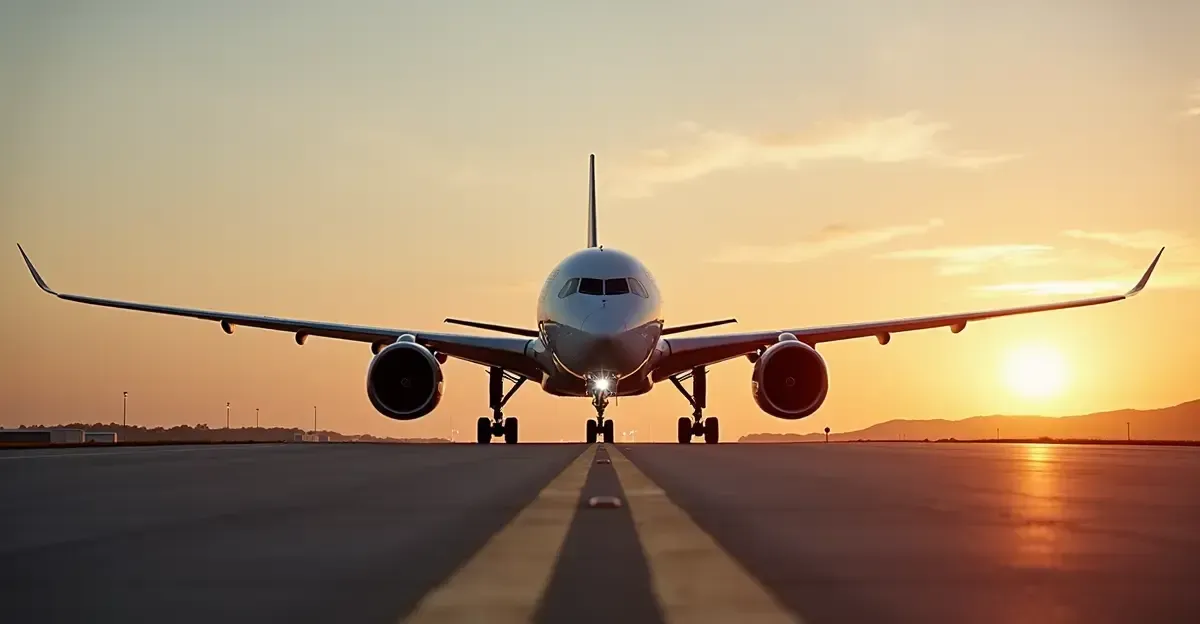
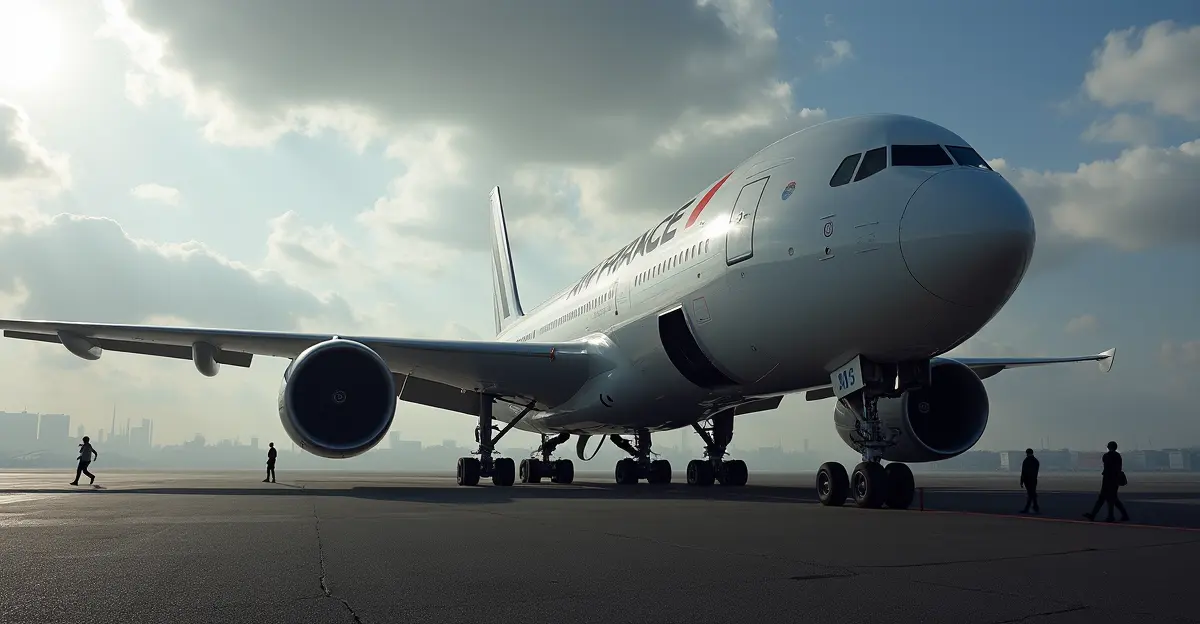
Fifty years ago today, on January 21, 1976, aviation history was made when two Concordes took off simultaneously from London Heathrow and Paris Charles de Gaulle airports, marking the beginning of commercial supersonic passenger travel. At precisely 11:40 AM, British Airways flight BA300 departed for Bahrain while Air France flight AF025 headed to Rio de Janeiro via Dakar, launching an era that would capture the world's imagination for nearly three decades.
Royal Mail Stamps and Air France Documentary Honor Iconic Aircraft
The British Royal Mail has issued a special collection of twelve stamps celebrating what it calls the innovation, elegance, and engineering excellence of the supersonic aircraft. Meanwhile, Air France has released a commemorative documentary and merchandise to mark the anniversary. 'It was a kind of chic club in the air,' recalls former Concorde pilot Mike Bannister in a BBC interview. 'Most of our customers were business people or world leaders, but we especially enjoyed transporting people for whom it was the trip of a lifetime. They were the most enthusiastic.'
The Rise and Fall of an Aviation Legend
Developed through a historic Anglo-French partnership that began with a 1962 treaty, Concorde represented one of the most ambitious engineering projects of the 20th century. The aircraft could cruise at Mach 2 (approximately 1,350 mph or 2,170 km/h), cutting transatlantic flight times in half. However, the program faced significant challenges from the start.
Originally projected to sell 150 aircraft to cover development costs, only 20 Concordes were ever built, with just 14 entering commercial service. Only British Airways and Air France became operators, as other airlines that expressed interest ultimately backed out due to economic concerns. The aircraft's fuel consumption was notoriously high, and when oil prices soared in the 1970s, operating costs became increasingly unsustainable.
Luxury at Mach 2: A Club for the Elite
Concorde tickets came with a premium price tag that reflected the exclusive experience. In 2001, a round-trip ticket from London to New York cost approximately €10,900, while the Paris-New York route was about €8,100. Passengers enjoyed gourmet meals featuring caviar, marbled goose liver, lobster, and champagne, served while traveling at twice the speed of sound.
The passenger list read like a who's who of global celebrities and leaders, including Madonna, Phil Collins (who famously performed at both Live Aid concerts in 1985 by flying Concorde between venues), Richard Gere, Paul McCartney, Mike Tyson, and Claudia Schiffer.
Tragedy and Retirement
The beginning of the end came on July 25, 2000, when Air France Flight 4590 crashed shortly after takeoff from Paris, killing all 109 passengers and crew plus four people on the ground. The investigation revealed that a metal strip from another aircraft had punctured a tire during takeoff, sending debris into a fuel tank that then ignited.
Although Concorde flights resumed in November 2001 after safety modifications, passenger numbers never fully recovered. Combined with rising fuel costs and maintenance expenses, the economics became untenable. Air France conducted its final Concorde flight on May 31, 2003, with British Airways following on October 24, 2003.
The Future of Supersonic Travel
While Concorde remains the only supersonic passenger aircraft to have operated regular commercial flights, several companies are working on successors. Boom Supersonic is developing the Overture aircraft, aiming for commercial service by 2029. China's Comac is working on the C949, and NASA, in partnership with Lockheed Martin, continues testing the experimental X-59 QueSST (Quiet Supersonic Technology) aircraft designed to reduce sonic booms.
As aviation historian John Smith notes, 'Concorde wasn't just an aircraft; it was a statement about what human ingenuity could achieve. Its retirement left a void in commercial aviation that hasn't been filled since.' Today, eighteen of the twenty Concordes built are preserved in museums across Europe and North America, serving as permanent reminders of a brief but brilliant era when passengers could travel faster than sound.

Follow Discussion