


 Deutsch
 English
 Español
 Français
 Nederlands
 Português


 Share
Share




The Comeback of Ultra-Fast Air Travel
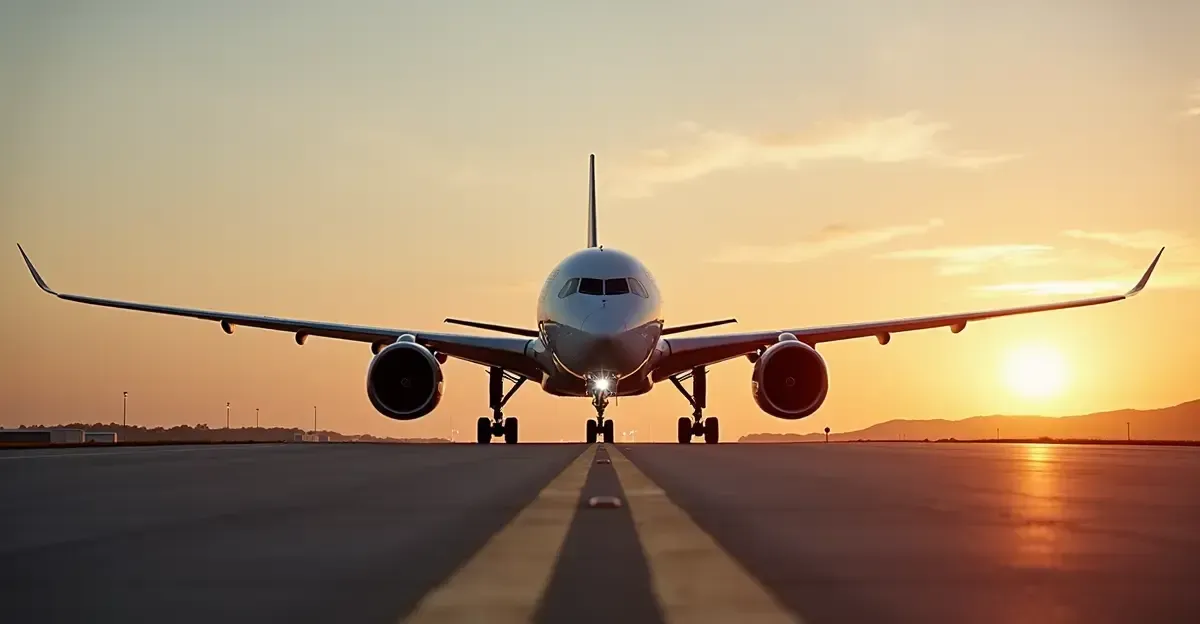
After decades of absence, supersonic passenger flights are making a serious comeback. Companies like Boom Supersonic are leading the charge with their Overture jet, designed to fly at Mach 1.7 (1,300 mph) - cutting transatlantic flight times in half. With orders from United Airlines, American Airlines, and Japan Airlines already secured, the race to revive commercial supersonic travel is officially on.
Breaking the Sound Barrier Again
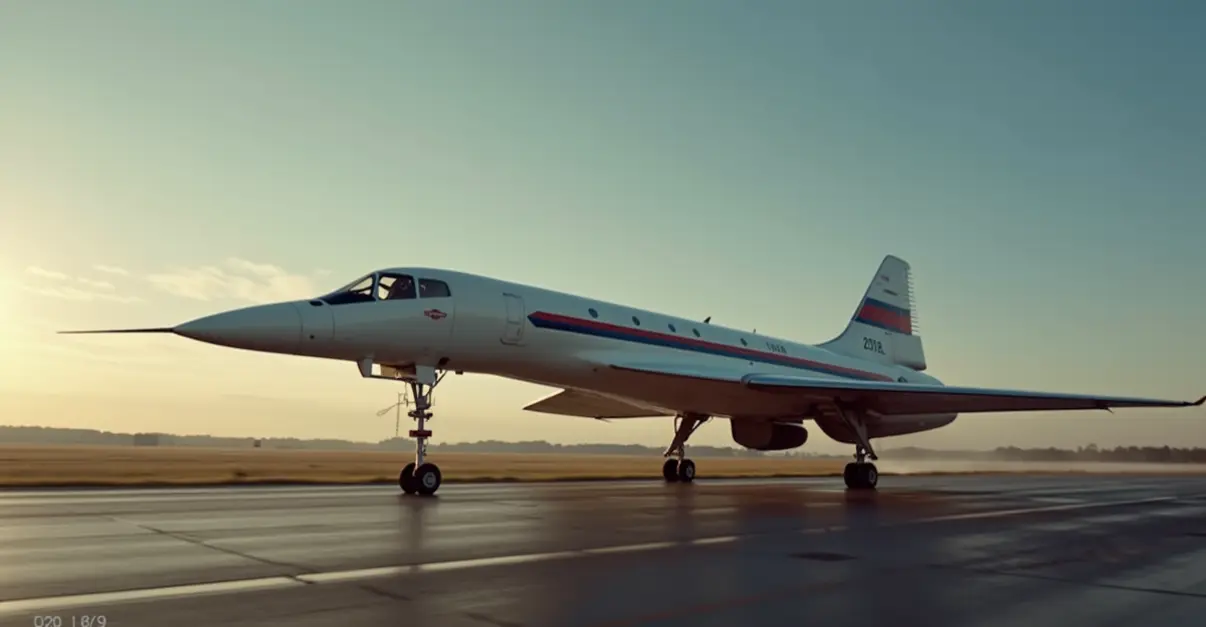
On June 6, 2025, President Trump signed a landmark executive order removing regulatory barriers to supersonic flight over US land. This repeals the 1973 ban that grounded Concorde operations over populated areas. "Advances in aerospace engineering now make supersonic flight safe, sustainable, and commercially viable," states the presidential order, directing the FAA to establish new noise-based standards within 18 months.
Technological Leaps
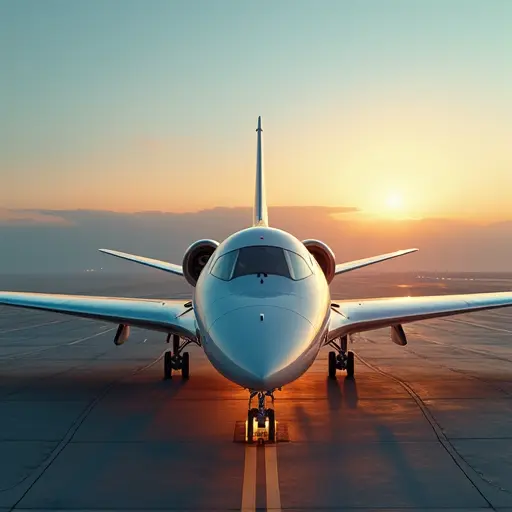
Modern supersonic jets differ significantly from their predecessors. Boom's Overture features carbon-composite construction, custom Symphony engines optimized for efficiency, and aerodynamic designs that create quieter "sonic thumps" rather than disruptive booms. The company's North Carolina "Superfactory" will begin production in 2026, targeting 2029 for first passenger flights.
"We're not just building a faster airplane," says Boom founder Blake Scholl. "We're creating a better way to connect our world with sustainable speed." The company claims Overture will run entirely on sustainable aviation fuel (SAF), addressing environmental concerns that plagued earlier supersonic attempts.
Challenges Ahead
Despite progress, significant hurdles remain. Ticket prices initially targeting business travelers ($5,000+ for NY-London), noise certification standards, and international regulatory alignment present obstacles. The International Civil Aviation Organization must establish global standards, while communities near airports need convincing about noise impacts.
NASA's X-59 QueSST experimental aircraft continues testing low-boom technology, with data informing future regulations. Meanwhile, companies like Spike Aerospace and Exosonic develop smaller supersonic business jets targeting 2027-2028 entry.
The Future of Flight
If successful, supersonic travel could expand beyond premium routes. Boom envisions 500 viable routes connecting 200 destinations globally. Industry analysts predict 1,000 supersonic jets could be in service by 2040, carrying 50 million passengers annually. While not replacing conventional air travel, it could become a significant market segment - making the dream of breakfast in Paris and dinner in New York a reality for more than just the ultra-wealthy.



Follow Discussion