Nederlands
 English
 Deutsch
 Français
 Español
 Português





Tragic End for World's Largest Turboprop Aircraft
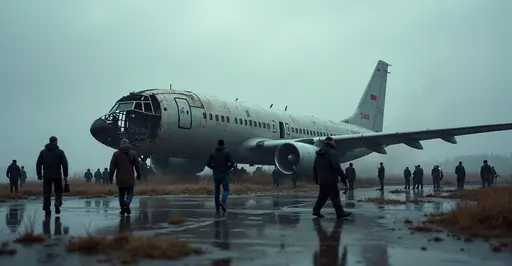
A Russian Antonov An-22 military transport aircraft, the world's largest turboprop-powered plane, crashed during a test flight on December 9, 2025, killing all seven people on board. The aircraft went down in the Uvodskoye Reservoir in the Ivanovo region, approximately 200 kilometers northeast of Moscow, during what was supposed to be a routine post-repair evaluation flight.
The Final Flight
The ill-fated aircraft, registration RF-08832, was operated by the Russian Air Force's Military Transport Aviation and was conducting a test flight following maintenance work. According to aviation safety reports, the crash occurred around 11:00 local time while the aircraft was en route from Tver-Migalovo Airport to the same airport. 'The aircraft was completely destroyed in the incident,' stated an official report from the Russian Ministry of Defence.
Search and rescue teams quickly located wreckage fragments floating in the reservoir, but there were no survivors. The victims included five crew members and two passengers, all of whom perished in what aviation experts are calling the likely end of operational service for this aging aircraft type.
An Aviation Legend's Demise
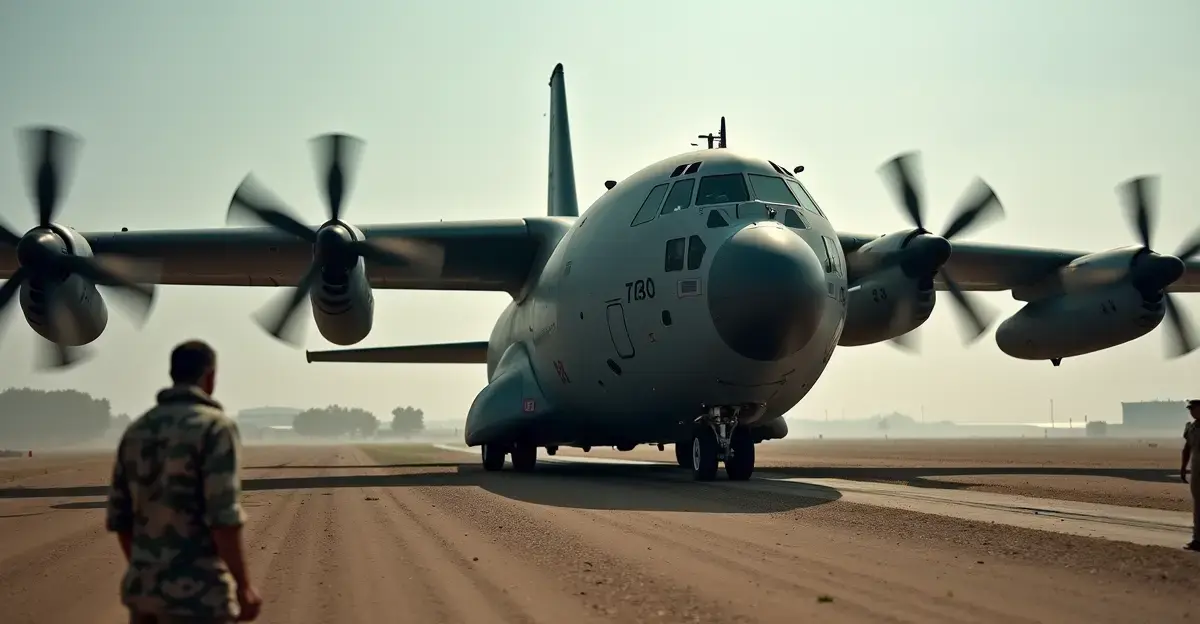
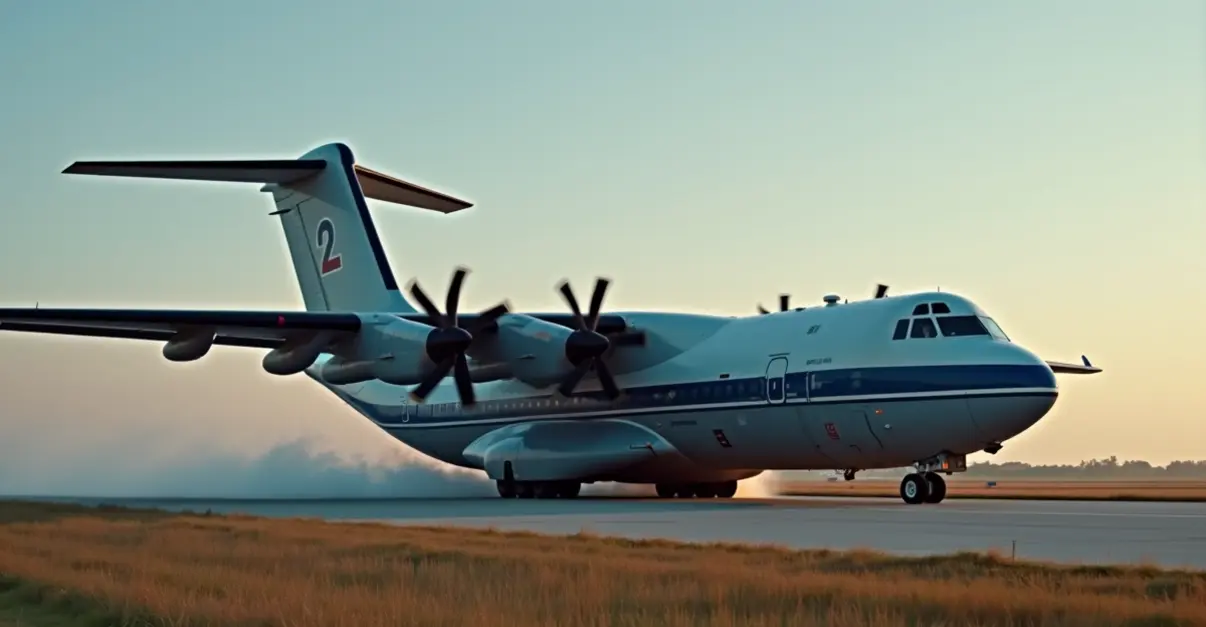
The Antonov An-22 'Antei' (NATO reporting name 'Cock') is a heavy military transport aircraft designed by the Antonov Design Bureau in the Soviet Union. First appearing publicly at the 1965 Paris Air Show, this aircraft holds the distinction of being the world's largest turboprop-powered aircraft to date. With its massive 64-meter wingspan and four pairs of contra-rotating propellers, the An-22 was a true engineering marvel of its time.
'This aircraft was a symbol of Soviet engineering prowess and remained the largest turboprop in the world for nearly six decades,' noted aviation historian Mark Richardson. 'Its loss marks the end of an era in military aviation.'
Aging Fleet Under Strain
This crash highlights the challenges facing Russia's military transport fleet. The An-22 was scheduled for retirement in 2024, but continued service due to the demands of Russia's military operations. Only three of these aircraft remained operational before this crash, and experts suggest this accident will likely accelerate their complete withdrawal from service.
The aircraft's advanced age - over 50 years since its introduction - raises questions about the sustainability of maintaining such vintage equipment. 'The Russian transport fleet is under significant strain due to wartime demands, forcing continued use of aging aircraft like the An-22 despite its technological obsolescence,' reported aerospace analysts.
Investigation Underway
Russian authorities have launched a comprehensive investigation into the crash. The Russian Aerospace Forces commission has been dispatched to the crash site to examine wreckage and determine the cause. Early reports from Russian media suggest a technical malfunction may be to blame, though official findings are pending.
'Investigators will review the aircraft's recent maintenance history and data from onboard systems as part of the standard procedure following such incidents,' stated an aviation safety official familiar with the investigation.
Historical Context and Legacy
The An-22 was designed as a strategic airlifter, specifically to expand the Soviet Airborne Forces' capability to land with their then-new BMD-1 armored vehicles. Its cargo hold could accommodate four BMD-1s compared to only one in the smaller An-12. The aircraft set 41 world records during its operational history, demonstrating its remarkable capabilities.
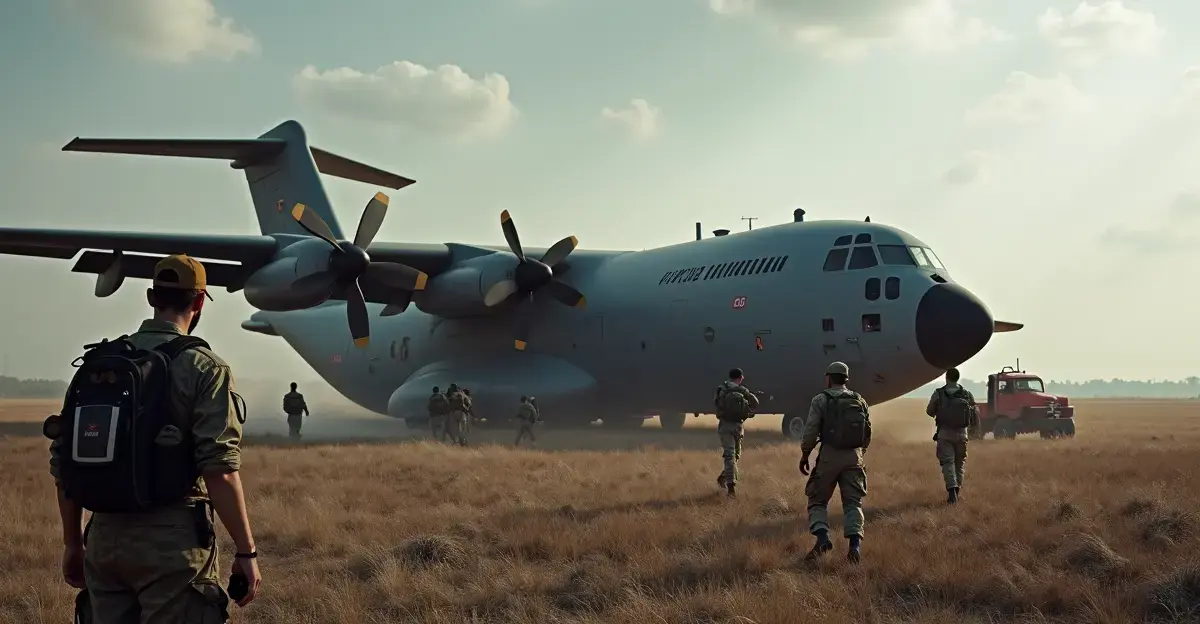
With its ability to take off from austere, unpaved, and short airstrips, the An-22 played a crucial role in Soviet military operations and humanitarian missions. Its rugged landing gear and unique tire pressure adjustment system (in early models) made it exceptionally versatile for operations in challenging environments.
This tragic accident serves as a somber reminder of the risks associated with operating vintage military equipment and the human cost of maintaining aging fleets beyond their intended service life. As Russia continues to rely on Soviet-era equipment, questions about safety and sustainability will likely persist in military aviation circles.