


 Deutsch
 English
 Español
 Français
 Nederlands
 Português


 Share
Share




Artemis II Reaches Lunar Sphere of Influence: Historic Milestone Achieved
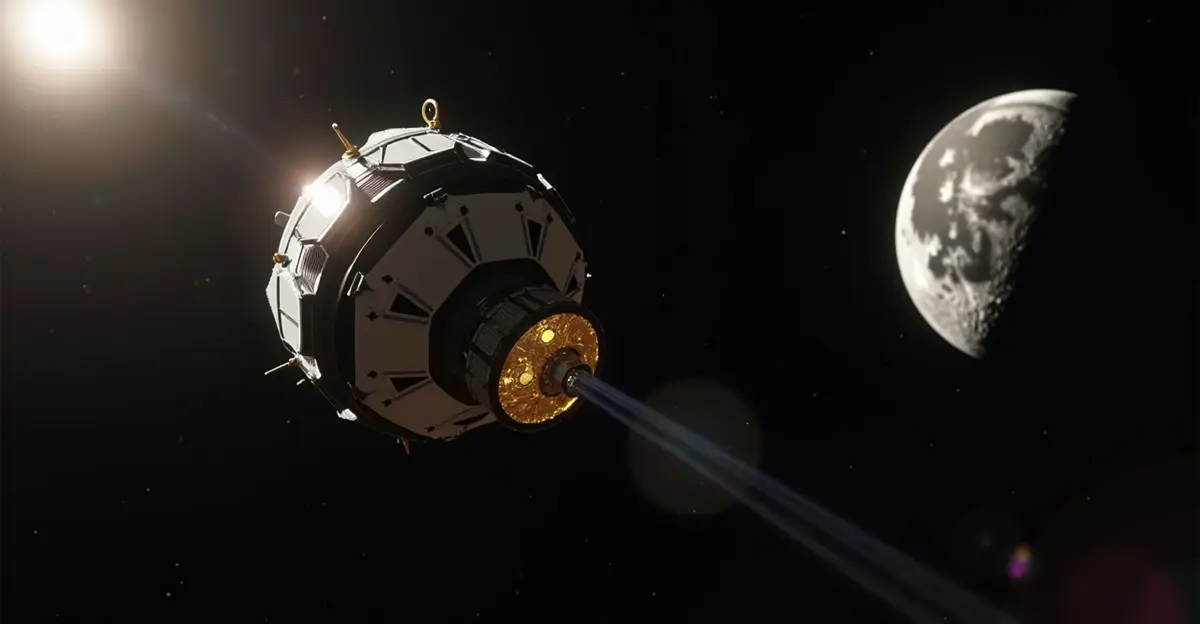
The NASA Artemis II mission has achieved a critical milestone in humanity's return to lunar exploration, with the Orion spacecraft entering the Moon's sphere of influence at 06:45 Dutch time on April 6, 2026. This marks the first time since 1972 that humans have traveled beyond Earth's immediate gravitational dominance, placing the four-person crew on a trajectory that will see them complete a lunar flyby and potentially break distance records set during the Apollo era. The Artemis program timeline continues to unfold with this successful navigation into the Moon's gravitational field, where lunar gravity now exerts greater pull on the spacecraft than Earth's gravity.
What is the Lunar Sphere of Influence?
The lunar sphere of influence is a 40,000-mile radius region surrounding the Moon where its gravitational force becomes the dominant influence on spacecraft. For the Artemis II mission, this milestone occurred approximately five days into the 10-day journey, marking the transition point where the Orion spacecraft's trajectory becomes primarily governed by lunar rather than terrestrial gravity. This critical boundary represents a significant achievement in orbital mechanics and mission planning, demonstrating NASA's capability to precisely navigate the complex gravitational environment between Earth and the Moon.
Key Mission Milestones Achieved
The Artemis II mission has successfully completed several critical phases since its April 1, 2026 launch:
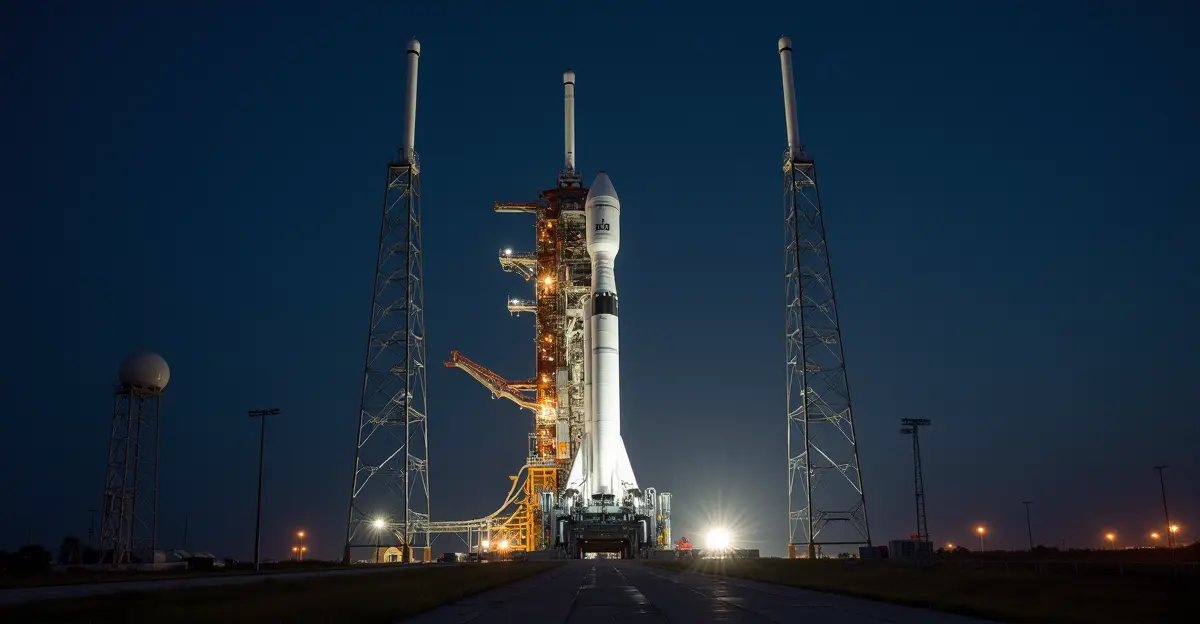
- April 1: Successful launch aboard Space Launch System rocket from Kennedy Space Center
- April 2: Translunar Injection burn propelling Orion toward lunar trajectory
- April 6: Entry into lunar sphere of influence at 06:45 Dutch time (00:45 EDT)
- Upcoming: Lunar flyby with closest approach scheduled for April 6 evening
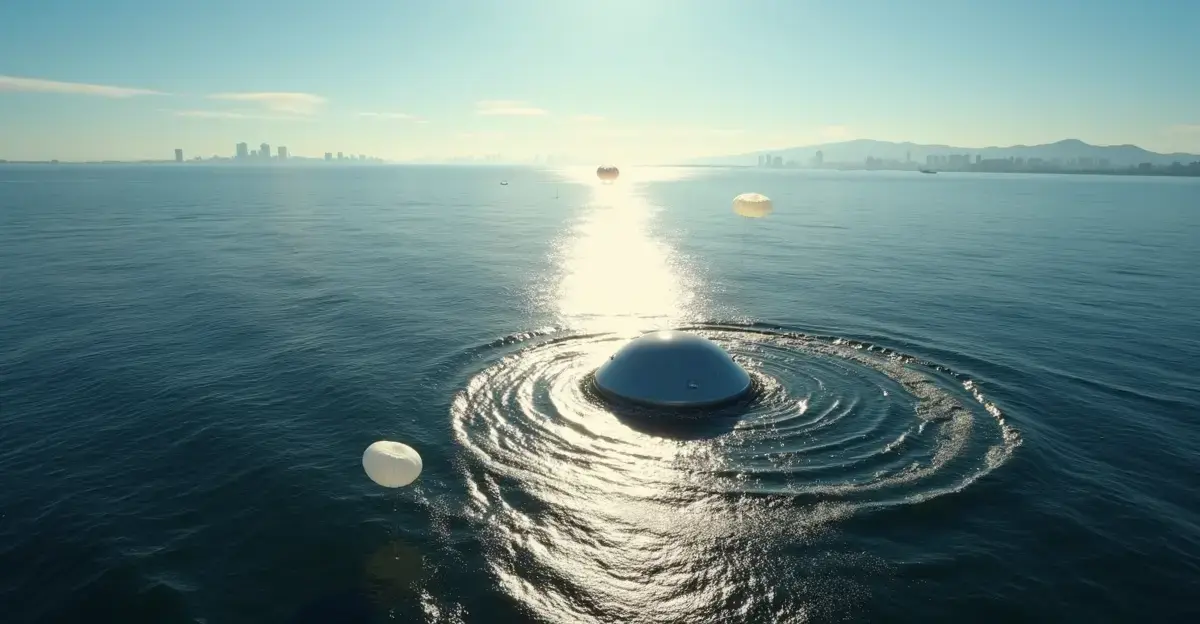
- Future: Return trajectory and Pacific Ocean splashdown around April 11
The Artemis II Crew: Pioneers of a New Lunar Era
The four astronauts aboard Orion represent a diverse team of space exploration veterans. Commander Reid Wiseman, a former NASA chief astronaut with 165 days of space experience, leads the mission. Pilot Victor Glover will become the first person of color to travel to the Moon, while Mission Specialist Christina Koch holds the record for longest single spaceflight by a woman (328 days). Canadian Space Agency astronaut Jeremy Hansen completes the crew as the first non-U.S. astronaut to journey to lunar distance. 'If we find ourselves behind the Moon, without contact with the world, let's take advantage of that opportunity,' pilot Victor Glover told the BBC before the mission. 'Let's pray and hope, send us your good wishes.'
Technical Challenges and Communication Blackout
As Orion approaches the lunar far side, the crew will experience approximately 40 minutes of communication blackout with mission control. This occurs when the spacecraft passes behind the Moon, blocking all radio signals with Earth. During this period, the astronauts will be completely isolated from ground support, relying on Orion's autonomous systems and their own training. This communication gap represents one of the mission's most critical test phases, similar to challenges faced during the Apollo program communications but with modern technological safeguards.
Scientific Objectives and Observations
The Artemis II mission carries significant scientific objectives beyond its primary goal of testing Orion's systems with crew aboard. The astronauts have received 30 specific lunar surface features to observe and photograph during their flyby, including the massive 600-mile-wide Orientale basin. These observations will provide valuable data for planning future lunar surface missions and contribute to our understanding of lunar geology. The mission also tests life support systems, navigation capabilities, and communication technologies in deep space environments, gathering critical data for the planned Artemis III lunar landing mission.
Historical Context and Future Implications
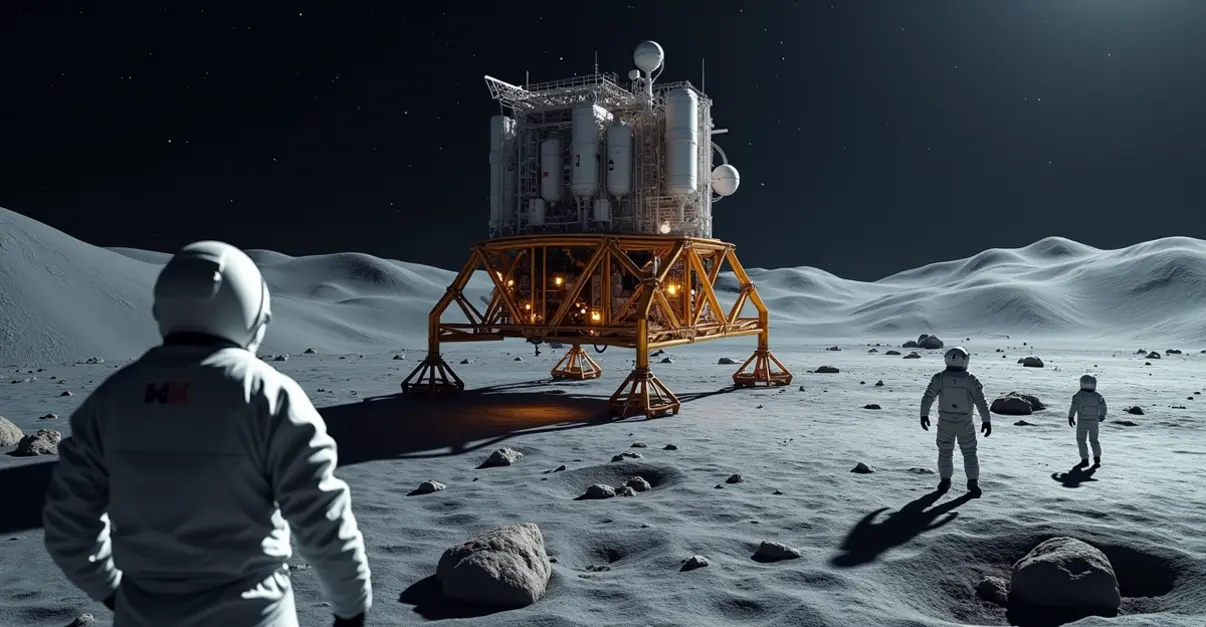
Artemis II represents the first human mission to the Moon since Apollo 17 in 1972, bridging a 54-year gap in crewed lunar exploration. The mission is designed to test Orion's systems with astronauts aboard, paving the way for Artemis III's planned lunar landing. NASA's long-term vision includes establishing a sustainable human presence on the Moon through the Artemis program, with the lunar sphere of influence milestone marking a crucial step toward this goal. The successful navigation into this gravitational transition zone demonstrates the precision required for future lunar operations and establishes confidence in NASA's deep space exploration capabilities.
Frequently Asked Questions (FAQ)
What is the lunar sphere of influence?
The lunar sphere of influence is the 40,000-mile radius region around the Moon where its gravity becomes the dominant force acting on spacecraft, surpassing Earth's gravitational pull.
How long will Artemis II astronauts be behind the Moon?
The crew will experience approximately 40 minutes of communication blackout as they pass behind the Moon's far side, completely isolated from Earth-based mission control.
When was the last human mission to the Moon?
The last human mission to the Moon was Apollo 17 in December 1972, making Artemis II the first crewed lunar mission in 54 years.
What distance record might Artemis II break?
Artemis II is expected to break Apollo 13's 1970 record for farthest human distance from Earth, potentially traveling beyond 248,655 miles from our planet.
When will Artemis II return to Earth?
The mission is scheduled for a 10-day duration, with splashdown in the Pacific Ocean expected around April 11, 2026.

Follow Discussion