


 Deutsch
 English
 Español
 Français
 Nederlands
 Português


 Share





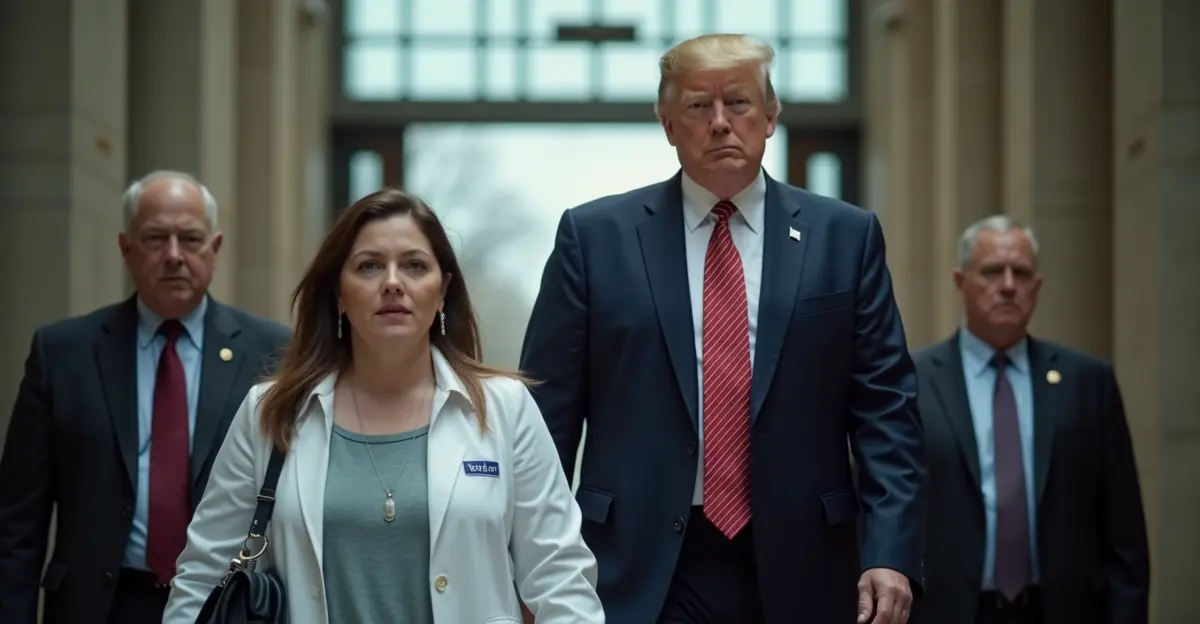
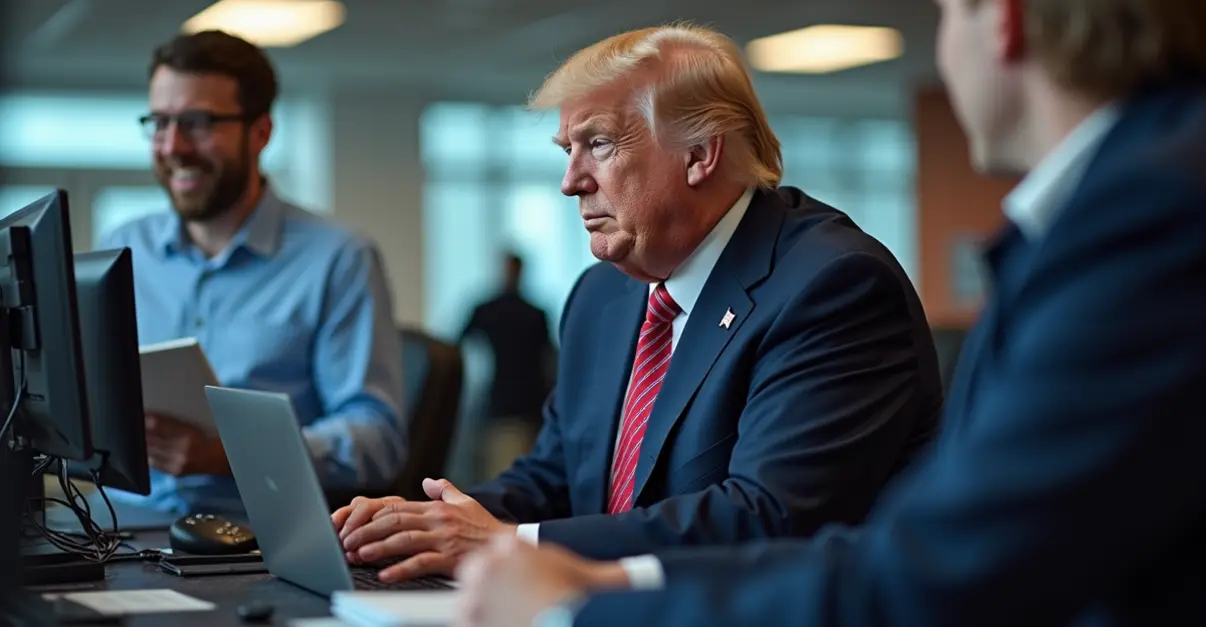
The White House has suspended Microsoft from H-1B green-card sponsorship, Vice President JD Vance announced Thursday, accusing the company of abusing the high-skilled visa system. The Department of Labor simultaneously barred Adobe and six major IT outsourcing firms from the permanent labor certification (PERM) process, a critical step toward employer-sponsored green cards. The move, reported by The Guardian and CNBC, escalates the Trump administration's scrutiny of the H-1B visa program and Silicon Valley hiring practices.
What Is the H-1B Green-Card Process?
The H-1B visa allows US employers to hire foreign workers in specialty occupations for up to six years. It does not automatically lead to permanent residency. Employers seeking a green card for H-1B workers typically must first obtain a PERM labor certification from the Department of Labor, proving no qualified American worker is available for the job. After PERM approval, the employer files Form I-140, then the worker can eventually apply for adjustment of status. The suspension targets this PERM stage, meaning affected companies cannot file new applications or have pending cases processed.
Why Did the White House Suspend Microsoft?
Vance accused Microsoft of laying off American workers and replacing them with cheaper foreign labor. He said the company replaced 6,000 laid-off workers in 2025 with H-1B visa holders and claimed H-1B hires earn about $20,000 less than US workers. Labor Secretary Keith Sonderling said the suspensions follow multiple active federal investigations, and cited a group of eight employers that have collectively requested nearly 3 million foreign workers since 2009, receiving over 230,000 H-1B approvals and more than 100,000 permanent labor certifications.
Companies should not lay off American workers and replace them with lower-paid foreign labor, Vance said. Microsoft pushed back, saying most US employees are American, 80% of its recent H-1B filings were extensions or status changes, and its pay for H-1B staff is among the sector's highest.
Which Companies Are Suspended?
Alongside Microsoft and Adobe, the Department of Labor suspended Cognizant, Infosys, Capgemini, Tata, Wipro and HCL. The table below summarizes the eight employers.
| Company | Category | Status |
|---|---|---|
| Microsoft | Technology | Suspended from PERM |
| Adobe | Technology | Suspended from PERM |
| Cognizant | IT services | Suspended from PERM |
| Infosys | IT services | Suspended from PERM |
| Capgemini | IT services | Suspended from PERM |
| Tata | IT services | Suspended from PERM |
| Wipro | IT services | Suspended from PERM |
| HCL | IT services | Suspended from PERM |
What Does This Mean for H-1B Workers and Tech Companies?
For H-1B employees at the affected companies, the suspension blocks new PERM filings and freezes pending cases under 20 CFR 656.31(b), which can last up to 180 days initially and be extended. Workers with approved I-140 petitions generally retain options, but those nearing the six-year H-1B limit without a filed PERM face the greatest risk. The move also signals tighter enforcement for other employers and could reshape Silicon Valley hiring practices.
Immigration advocates oppose the approach. They argue that attracting global STEM talent benefits the US economy, and that layoffs alone are not fraud under PERM rules. Legal experts say Microsoft may challenge the suspension in court.
Expert Perspectives and Political Context
The announcement came the same day Microsoft CEO Satya Nadella was set to receive the National Medal of Science, creating an awkward juxtaposition. The timing, weeks before the November midterms, underscores the administration's focus on Trump administration immigration policy and American-worker messaging. Analysts note that the suspension does not cancel existing H-1B visas, but it disrupts the long-term path to permanent residency for thousands of skilled workers.
FAQ
What is the H-1B green-card sponsorship ban?
The Department of Labor suspended Microsoft, Adobe and six IT firms from the PERM program, blocking new green-card labor certification applications and freezing pending cases.
Does the suspension cancel existing H-1B visas?
No. Current H-1B holders keep their status and work authorization, but their path to employer-sponsored permanent residency may be disrupted.
Which companies are affected?
Microsoft, Adobe, Cognizant, Infosys, Capgemini, Tata, Wipro and HCL are all suspended from the PERM program as of October 8, 2026.
Why did the White House target Microsoft?
Vice President JD Vance alleged Microsoft replaced laid-off US workers with cheaper H-1B labor and abused the high-skilled visa system.
Can Microsoft challenge the suspension?
Yes. Legal experts say the company can challenge the suspension, especially because layoffs alone are not fraud under PERM rules, and no employer has been formally debarred.
Conclusion: Future Outlook
The suspension marks a significant escalation in the administration's campaign against foreign-worker hiring. For tech companies, it raises questions about access to global talent and the future of the H-1B visa alternatives. Workers should verify their case status with employers and consult immigration counsel. As legal challenges unfold, the policy could reshape US tech immigration for years to come.


Follow Discussion