


 Deutsch
 English
 Español
 Français
 Nederlands
 Português


 Share
Share




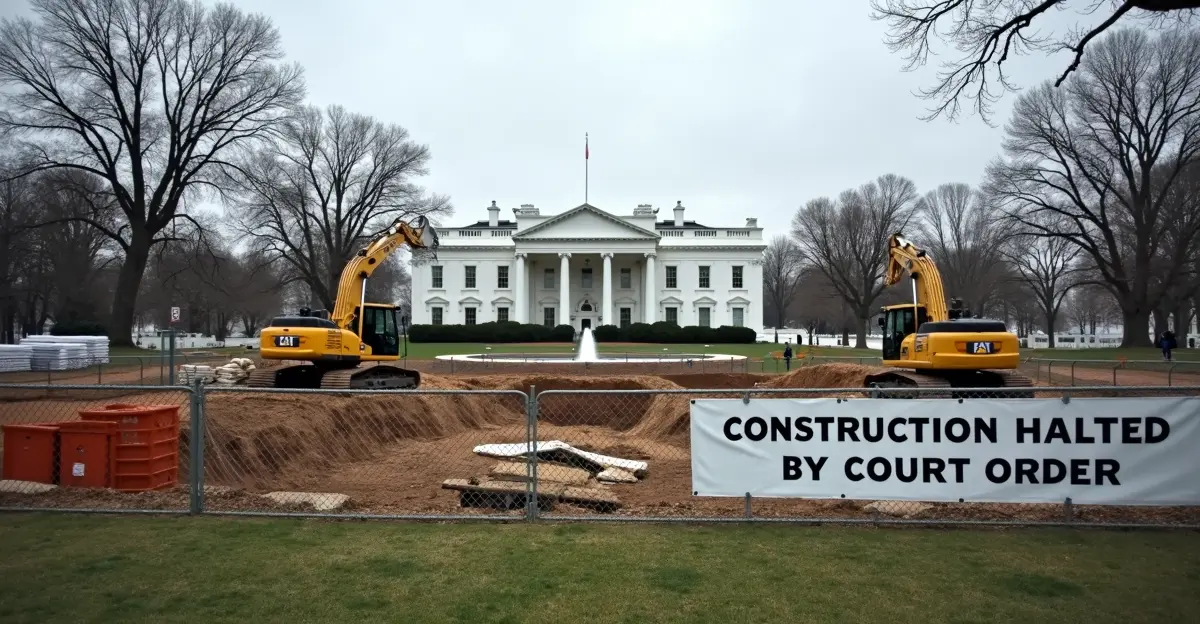
President Donald Trump has suffered another legal defeat over his controversial $400 million White House ballroom, after a federal appeals court ordered construction halted and ruled that he must first obtain congressional approval. The 2-1 decision by the U.S. Court of Appeals for the D.C. Circuit on August 7, 2026, upholds a lower court injunction and underscores the separation of powers, with the majority declaring that the president is a “temporary tenant, not an owner” of the White House.
Background: The $400 Million Ballroom Project
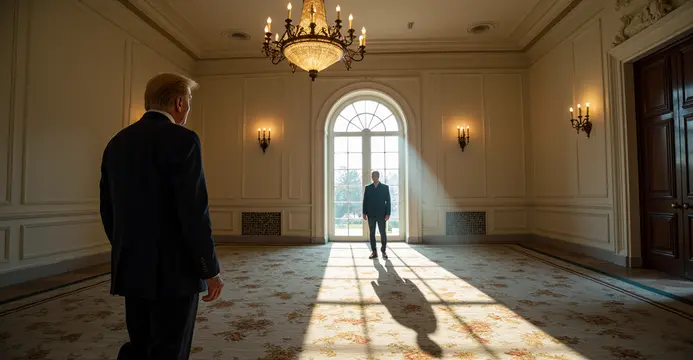
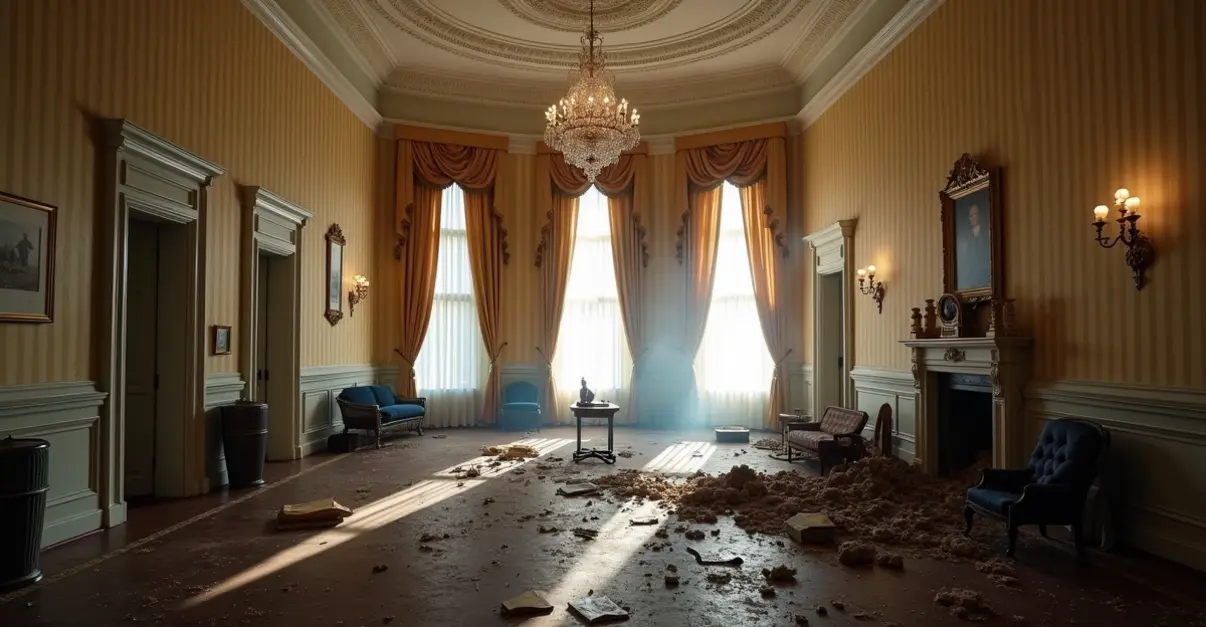
The proposed White House State Ballroom would be larger than a football field—approximately 89,000 square feet—with a capacity of nearly 1,000 guests. Construction began after the historic East Wing, originally built in 1902 and expanded in 1942, was demolished in late 2025. The project also includes a vast underground military complex with bunkers, medical facilities, and command centers, which Trump argues is necessary for national security. The National Trust for Historic Preservation filed a lawsuit in December 2025, alleging that the president violated the Constitution and federal laws by proceeding without congressional authorization, environmental review, or input from the National Capital Planning Commission.
The ballroom's price tag has been estimated at $400 million, with funding reportedly coming from private sources. However, the project has drawn sharp criticism from preservationists who say the massive addition would overwhelm the White House’s classical architecture and set a dangerous precedent for executive overreach.
The Appeals Court Ruling: A “Temporary Tenant” Cannot Build
In a strongly worded opinion, the court majority wrote: “Every president is a temporary tenant, not an owner, of the White House.” Judges Patricia Millett and Brad Garcia formed the majority, while Trump appointee Neomi Rao dissented. The ruling does not permanently kill the ballroom but makes clear that the president cannot unilaterally alter the Executive Residence without Congress’s consent, as the Constitution requires.
The court allowed underground construction to continue for security reasons, but above-ground work must stop. The majority emphasized that “whether such a ballroom should be built is for Congress to decide,” not a matter of “Executive self-help.” This echoes broader debates about presidential authority and constitutional limits that have intensified throughout Trump’s second term.
What the Ruling Means: Congress Must Authorize
The decision does not mean the project is dead, but it forces Trump to seek explicit approval from lawmakers—a tall order given strong Democratic opposition and skepticism even among some Republicans. Legal experts note that the ruling could set a landmark precedent for how much control a president can exert over federal property. The court explicitly stated that its decision is about process, not the merit of the ballroom itself.
Meanwhile, the below-ground military complex can proceed. Trump’s lawyers had argued that halting all work would compromise national security by leaving the president vulnerable to attack. The judges accepted that argument for the bunker but rejected it for the ballroom itself. This distinction may become a key point in any Supreme Court appeal strategy.
Reactions and Next Steps: Supreme Court on the Horizon
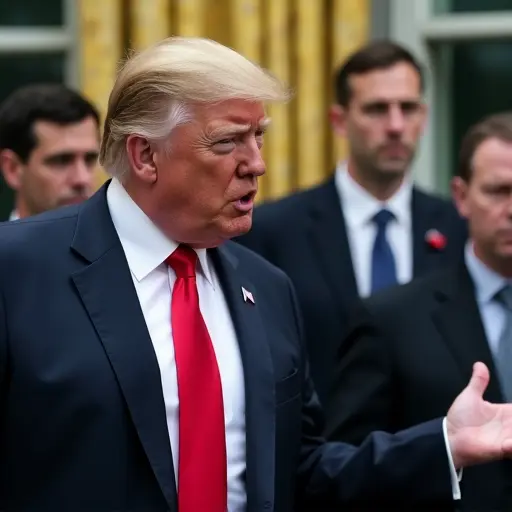
Trump reacted furiously on social media, calling the ruling “horrendous, politically motivated and unlawful” and vowing to appeal to the Supreme Court. The court gave his legal team 14 days to file an emergency application with the justices. If the Supreme Court takes the case, it could become one of the most significant separation-of-powers disputes in decades—and a direct test of the conservative-majority court’s willingness to check a Republican president.
The National Trust for Historic Preservation welcomed the ruling. “The White House belongs to the American people, not any single president,” said CEO Carol Quillen. “We urge Congress to exercise its constitutional role in deciding the fate of this iconic building.”
The ballroom fight is only one of several Trump-era renovation clashes. Other legal challenges target his changes to the Reflecting Pool and proposed Arc de Triomphe-inspired monument, fueling critics’ accusations that he is treating the capital like a private estate.
Frequently Asked Questions
Why did the court block Trump’s White House ballroom?
The appeals court ruled that the president cannot unilaterally construct a massive addition to the White House without congressional approval, as required by the Constitution and federal law. The court said the president is a “temporary tenant” and must follow the same process as any other construction on federal grounds.
Can Trump still build the ballroom?
Yes, but only if Congress authorizes it. The ruling does not ban the ballroom permanently; it simply requires legislative consent. Trump could also hope for a reversal by the Supreme Court.
What happens to the underground military bunker?
The court allowed underground construction to continue, accepting the administration's argument that stopping it could pose national security risks. The bunker complex includes command centers and medical facilities.
How much would the ballroom cost and who pays?
The project is estimated at $400 million. The White House has claimed it will be privately funded, but critics demand transparency on the sources.
When will the Supreme Court decide?
Trump has 14 days from the ruling (August 7) to appeal to the Supreme Court. If the justices agree to hear the case, a decision could take months.


Follow Discussion