


 Deutsch
 English
 Español
 Français
 Nederlands
 Português


 Share
Share




Burnham Becomes Britain's Seventh Prime Minister in a Decade
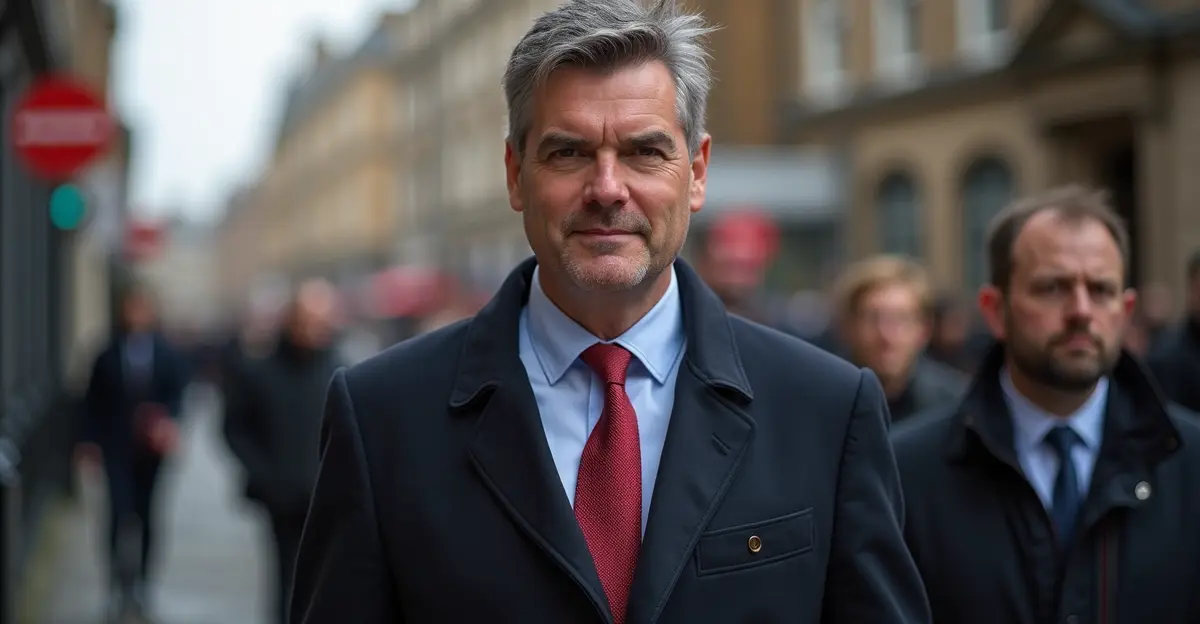
Andy Burnham was officially sworn in as Prime Minister of the United Kingdom on 20 July 2026, after a formal audience with King Charles III at Buckingham Palace. The ceremony marked the end of Keir Starmer's turbulent two-year premiership and the beginning of a new era under a Labour leader from the North of England. Burnham, the former Mayor of Greater Manchester, becomes the seventh prime minister in ten years, inheriting a nation grappling with economic stagnation, regional inequality, and a crisis of political trust.
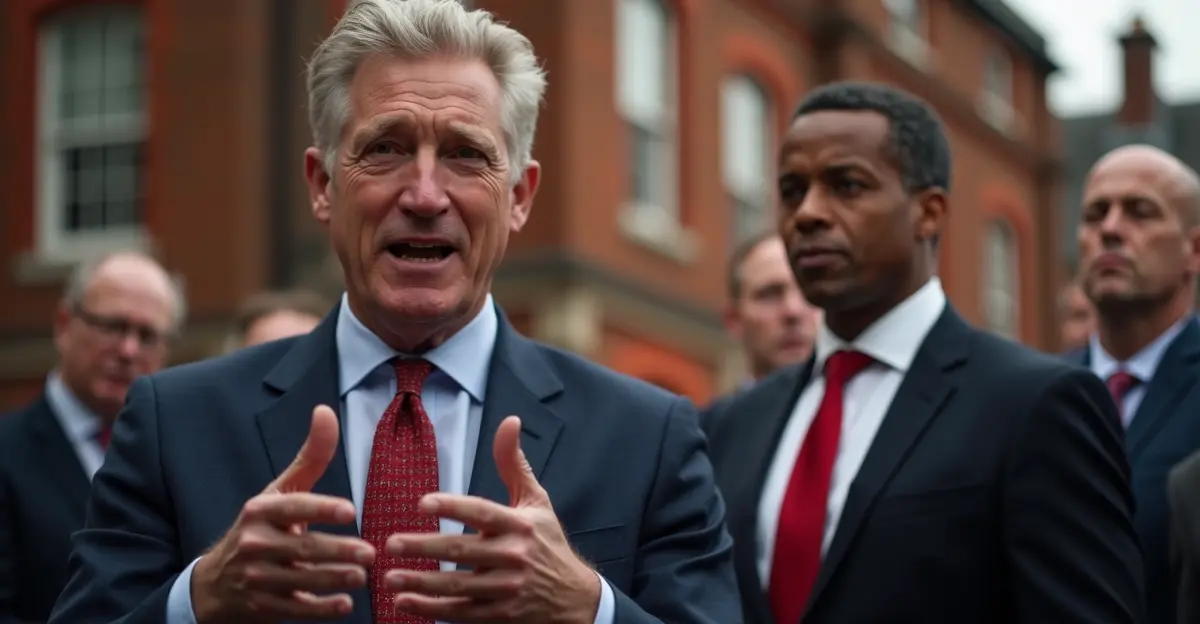
"The care for people will be central to everything I do," Burnham said after his meeting with the King. "I will do my utmost. I have heard you: we have not been good enough and we must do better. We will do better. This is the moment our country begins to believe again, the moment we bring back hope."
Earlier in the day, Keir Starmer tendered his resignation to the monarch. In his farewell speech on the steps of 10 Downing Street, Starmer said: "It was the privilege of my life to serve you as prime minister. I leave with good humour, a smile, and pride in all we have achieved. I wish Andy all the best. He has my full support."
Burnham's ascent represents a dramatic shift in political style. The UK Labour Party leadership transition from the reserved, suit-clad Starmer to the charismatic, bomber-jacket-wearing Burnham signals a new approach to governance. "With Burnham, Labour chooses a very different face: an informal politician with a strong focus on the Northern English working-class areas," said NOS correspondent Fleur Launspach.
Background: From Mayor to Prime Minister
Born in Liverpool in 1970 and raised in Culcheth, Burnham studied English at the University of Cambridge, where he met his Dutch wife, Marie-France van Heel. After a brief career as a journalist, he entered politics and was first elected as MP for Leigh in 2001. He served in Gordon Brown's cabinet as Health Secretary, Culture Secretary, and Chief Secretary to the Treasury.
After Labour lost the 2010 election, Burnham twice ran unsuccessfully for party leader. In 2017, he was elected Mayor of Greater Manchester, a role he held until 2026. His tenure transformed Manchester from a declining industrial city into one of the fastest-growing economies in the UK, implementing what he called "business-friendly socialism" and bringing buses under public control through the Bee Network.
Burnham returned to Parliament in June 2026 by winning the Makerfield by-election, triggering his resignation as mayor. Days later, Starmer announced his resignation, and Burnham was elected Labour leader unopposed with over 90% of MP nominations.
Burnham's Policy Agenda: A 'New Politics' of Hope
In his first speech as prime minister, Burnham outlined an ambitious agenda centered on decentralization, reindustrialization, and public ownership. He promised a "circuit breaker for Britain" with the biggest changes in forty years, including shifting power from Whitehall to the regions. He plans to establish a "Number 10 North" office in Manchester and spend part of his premiership there.
Key policy proposals include bringing water and energy utilities back under public control, launching the largest council house building program since World War II, reforming education to elevate vocational training, and ending rough sleeping. Burnham also pledged to reindustrialize Britain through public procurement and a 10-year national plan. He criticized the 1980s for centralizing power and privatizing the economy, vowing to decentralize and create "an economy that works for everyone."
Critics question where the funding for these programs will come from and point to his lack of foreign policy experience. The UK economic growth challenges under Burnham remain significant, with the anti-establishment Reform party led by Nigel Farage leading in the polls. Burnham acknowledged the pressure, saying: "This is our last chance to get it right."
Impact and Challenges Ahead
Burnham inherits the same deep-seated problems that doomed his predecessors: sluggish economic growth, strained public services, housing shortages, and a polarized electorate. The key question, according to Launspach, is whether he can generate economic growth that people actually feel, communicate clearly about tough choices, and keep the Labour Party united. "His predecessor was pushed out after just two years," she noted. "The clock is ticking."
On foreign policy, Burnham has expressed support for Ukraine and a balanced approach toward the European Union and Israel. Domestically, his UK decentralization and devolution plans will be closely watched, as he aims to replicate Manchester's success on a national scale. Whether the "King of the North" can become a successful prime minister for the whole United Kingdom remains the defining question of his premiership.
Frequently Asked Questions
Who is Andy Burnham?
Andy Burnham is a British Labour politician who became Prime Minister on 20 July 2026. He previously served as Mayor of Greater Manchester from 2017 to 2026 and held several cabinet positions under Gordon Brown.
Why did Keir Starmer resign?
Keir Starmer resigned amid declining public confidence and internal Labour Party pressure after two years as prime minister. He announced his resignation on 22 June 2026.
What are Burnham's main policies?
Burnham's agenda includes decentralizing power from London, re-nationalizing water and energy, building more council homes, reforming education, and reindustrializing Britain through public investment.
Is Burnham the first prime minister from the North?
Yes, Burnham is the first UK prime minister from the North of England since the 1950s.
What challenges does Burnham face?
He faces economic stagnation, a housing crisis, strained public services, and a strong challenge from the Reform party, which leads in opinion polls.

Follow Discussion