Nederlands
 English
 Deutsch
 Français
 Español
 Português






Congressional Antitrust Hearing Targets Big Tech Market Dominance
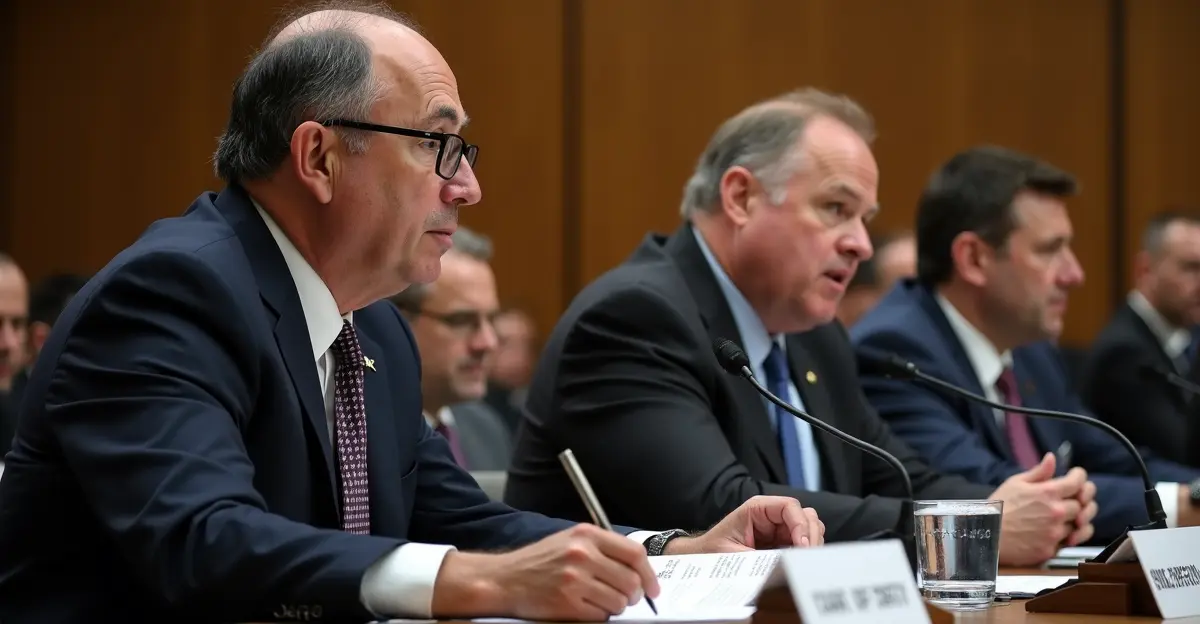
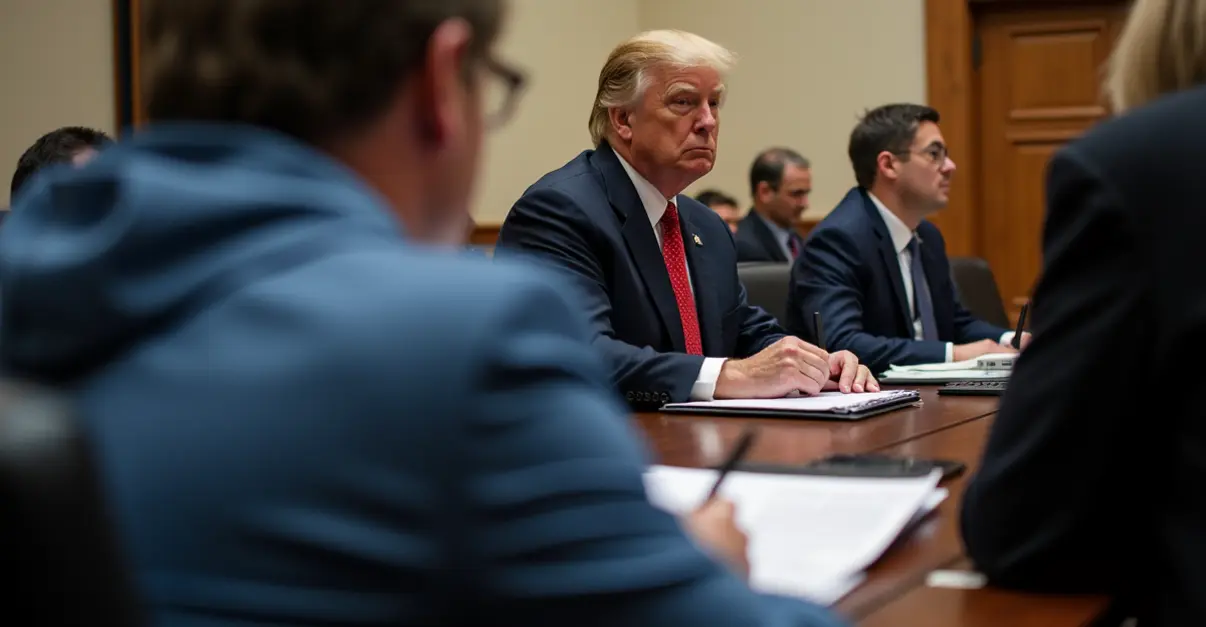
In a landmark congressional hearing this week, lawmakers grilled tech executives and antitrust experts about the growing market power of major digital platforms and potential remedies to restore competition. The hearing, which focused on testimonies from industry leaders, legal scholars, and consumer advocates, revealed deep concerns about how companies like Amazon, Apple, Meta, and Google have allegedly used their dominant positions to stifle innovation and harm consumers.
'We're at a critical juncture where platform power has become so concentrated that it threatens the very foundations of our digital economy,' testified Professor Sarah Chen, an antitrust scholar from Stanford Law School. 'The data these companies control gives them unprecedented advantages that new entrants simply cannot overcome.'
Data Portability Emerges as Key Solution
One of the most discussed remedies during the hearing was data portability—the ability for users to easily transfer their personal data between competing services. Lawmakers examined how stronger data portability requirements could reduce switching costs and create more competitive digital markets.
The ACCESS Act of 2021, which would mandate data portability for platforms with over 100 million monthly active users, received significant attention. 'Data portability isn't just about convenience—it's about economic freedom,' argued Representative Maria Rodriguez, who has championed the legislation. 'When users can take their data elsewhere, platforms have to compete on quality and innovation rather than locking people in.'
However, some witnesses cautioned about implementation challenges. 'While data portability sounds promising, we need to ensure it doesn't create new privacy risks or undermine incentives for data collection,' noted tech policy analyst David Kim.
Structural Remedies vs. Behavioral Solutions
The hearing revealed a fundamental divide between those advocating for structural remedies (like breaking up companies) and those favoring behavioral solutions (like new regulations). Recent court cases have shown both approaches in action.
In the ongoing DOJ v. Google ad tech case, the Department of Justice has proposed sweeping structural changes including complete divestiture of Google's AdX ad exchange within 12 months. Meanwhile, in Epic v. Apple, the court issued a permanent injunction against Apple's monopolization practices—a more behavioral approach.
'Structural remedies get to the root of the problem, but they're politically difficult and can have unintended consequences,' explained former FTC commissioner James Wilson. 'Behavioral remedies are easier to implement but require ongoing monitoring and enforcement.'
Competition Outcomes Under Scrutiny
Lawmakers examined how current antitrust enforcement has failed to keep pace with digital market dynamics. The House Judiciary Committee's 450+ page report on digital competition, based on a 16-month investigation, provided crucial evidence of anti-competitive practices.
The report revealed internal documents showing Facebook viewing itself as 'dominant and insulated from competition,' Google leveraging Android control to prevent competition, and Amazon coercing third-party sellers. 'These aren't just aggressive business practices—they're systematic efforts to eliminate competition,' said committee chair Representative Thomas Reed.
Recent settlements and judgments have shown some progress. The Chalmers v. NCAA case resulted in a $2.8 billion settlement for student-athletes, while Regeneron v. Amgen saw $407 million in damages awarded.
Looking Ahead to 2026
As the hearing concluded, lawmakers discussed what to expect in 2026. Several key trends emerged: increased enforcement against digital market monopolization, greater focus on data governance as a competition tool, and potential legislative updates to century-old antitrust laws.
'The Digital Markets Act in Europe has shown that comprehensive platform regulation is possible,' noted international competition expert Dr. Elena Petrova. 'The question is whether the U.S. will follow suit with its own framework or continue with case-by-case litigation.'
The hearing made clear that bipartisan concern about platform power is growing, with both Democrats and Republicans expressing frustration with current enforcement mechanisms. With multiple bills pending in Congress and several major antitrust cases moving through the courts, 2026 promises to be a pivotal year for digital competition policy in America.