Nederlands
 English
 Deutsch
 Français
 Español
 Português





Congressional Antitrust Hearing Takes Aim at Major Platform Business Practices
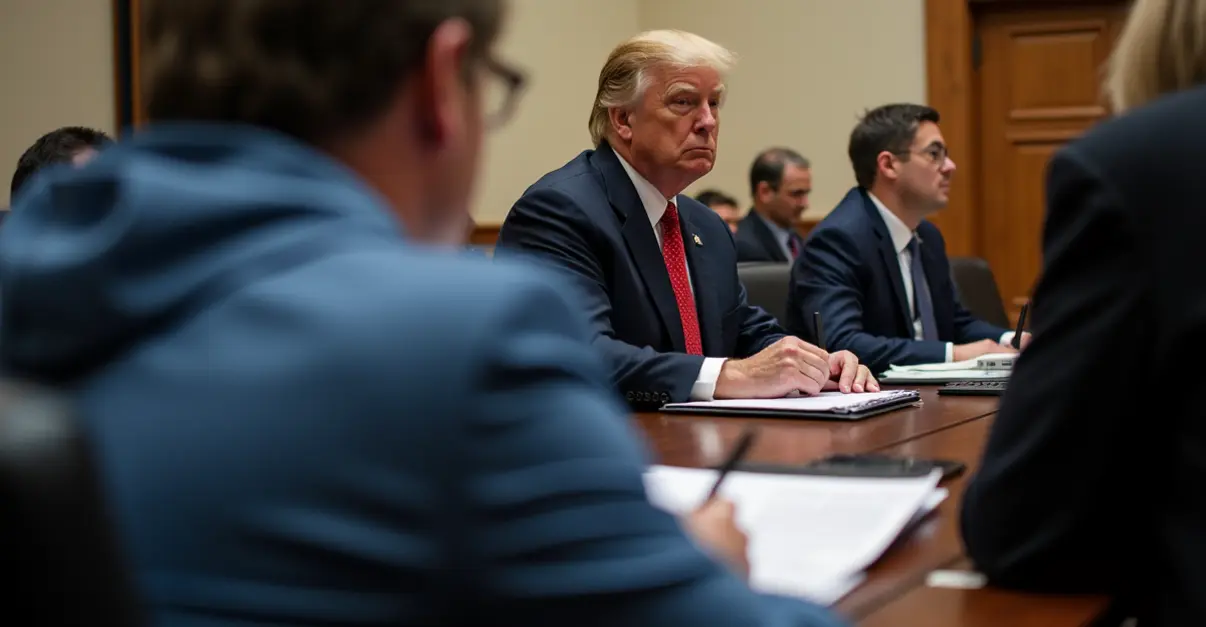
In a landmark congressional hearing on December 16, 2025, the House Judiciary Subcommittee on the Administrative State, Regulatory Reform, and Antitrust scrutinized the business practices of major digital platforms, with testimonies revealing deep concerns about market concentration and proposals for significant structural remedies. The hearing, titled 'Anti-American Antitrust: How Foreign Governments Target U.S. Businesses,' expanded its scope to examine domestic platform practices that critics argue have stifled competition and innovation.
Expert Testimonies Highlight Systemic Concerns
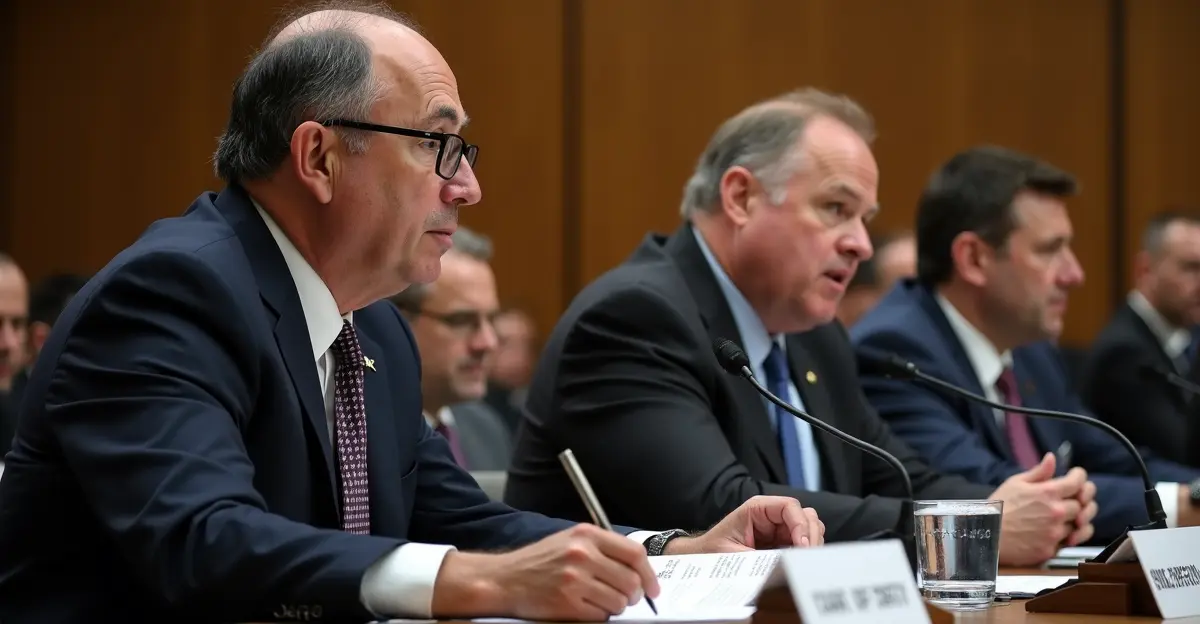
Four expert witnesses presented compelling testimonies about the current state of digital markets. Shanker Singham, CEO of Competere Ltd, warned that 'the current market structure allows dominant platforms to engage in practices that would be considered anti-competitive in any other industry.' His testimony emphasized how platform business models create unique challenges for traditional antitrust enforcement.
Aurelien Portuese, Research Professor at George Washington Competition & Innovation Lab, presented data showing that 'the top five digital platforms now control over 80% of key online markets, creating barriers to entry that are virtually insurmountable for new competitors.' He argued that this concentration has led to reduced innovation and higher costs for businesses that depend on these platforms.
Remedies and Market Restructuring Proposals
The hearing featured several radical proposals for market restructuring. Witnesses discussed mandatory data portability requirements, interoperability standards, and even structural separation of certain platform functions. Dirk Auer, Director of Competition Policy at the International Center for Law & Economics, proposed 'a graduated approach where behavioral remedies are tried first, but structural changes remain on the table if competition doesn't improve within a defined timeframe.'
These discussions come against the backdrop of ongoing antitrust litigation, particularly the DOJ's case against Google where the Justice Department is seeking complete divestiture of Google's AdX ad exchange within 12 months. The congressional hearing examined whether similar structural remedies might be necessary for other platform businesses.
International Context and Domestic Implications
While the hearing's title focused on foreign regulations, much of the discussion centered on how U.S. platforms' business practices compare to international standards. Roger Alford, Professor at Notre Dame Law, noted that 'the European Union's Digital Markets Act has forced us to confront whether our own antitrust enforcement has been too timid in addressing platform dominance.'
The Computer & Communications Industry Association (CCIA) submitted a formal statement warning against overregulation, arguing that aggressive structural remedies could harm innovation. However, committee members from both parties expressed skepticism about this argument, pointing to the recent antitrust litigation trends showing successful challenges to platform practices.
Political Divide and Path Forward
The hearing revealed a rare bipartisan consensus on the need for stronger antitrust enforcement, though disagreements emerged about specific remedies. Democratic members emphasized consumer protection and small business concerns, while Republican members focused on innovation and global competitiveness. Despite these differences, there was agreement that current U.S. antitrust laws may need updating for the digital age.
As the 2026 antitrust landscape takes shape, this hearing represents a significant moment in the ongoing debate about platform power. With multiple major antitrust cases working their way through the courts and increasing legislative interest in digital market regulation, the business practices of major platforms will remain under intense scrutiny. The testimonies and proposals discussed suggest that 2026 could see either voluntary industry changes or more aggressive regulatory intervention, depending on how platforms respond to these congressional concerns.