

 Deutsch
 English
 Español
 Français
 Nederlands
 Português

 Share
Share Facebook
 X
X LinkedIn
 Bluesky
 WhatsApp
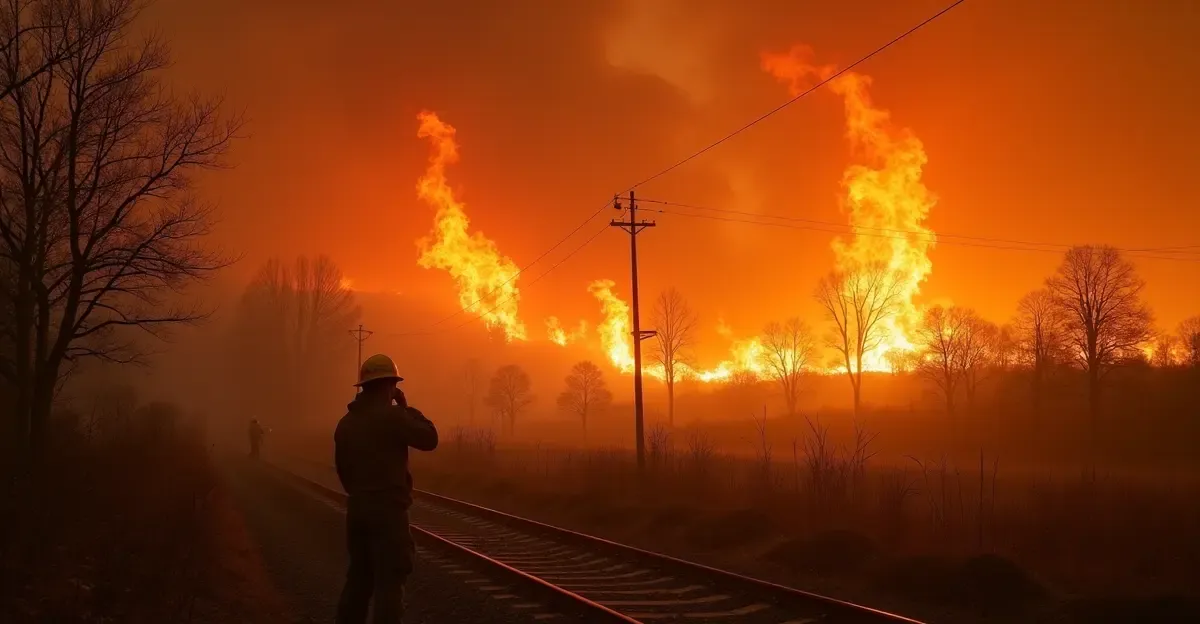
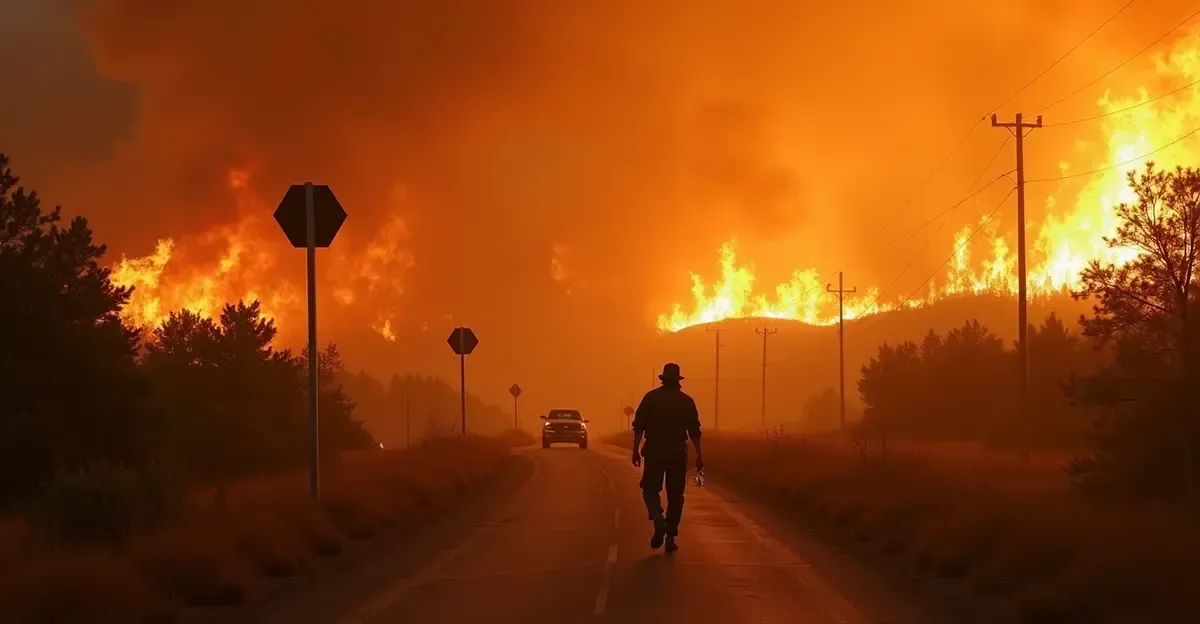
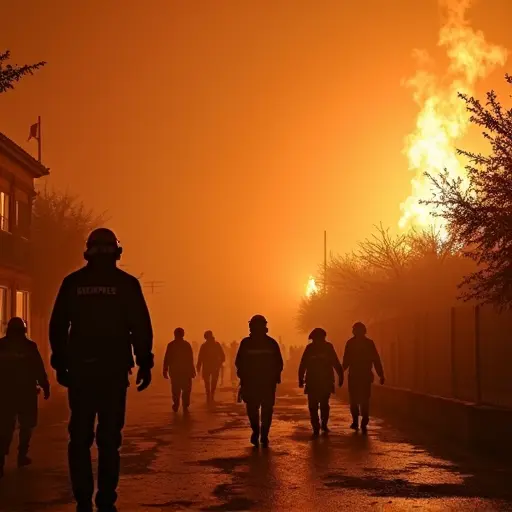
A large wildfire erupted in the Dutch province of North Limburg on Monday, August 3, 2026, forcing the suspension of all train services between Nijmegen and Venray. The blaze, described as a crown fire, broke out around 11:45 a.m. in the nature reserve De Rosmolen near the village of Oostrum and quickly escalated due to tinder-dry conditions.
The Dutch drought crisis of 2026 has left vegetation parched across the country, creating extreme fire risk. According to the Veiligheidsregio Limburg-Noord, the fire was upgraded to a 'very large fire' status shortly after noon, and firefighting units from multiple provinces were dispatched to the scene.
What Is a Crown Fire and Why Is It So Dangerous?
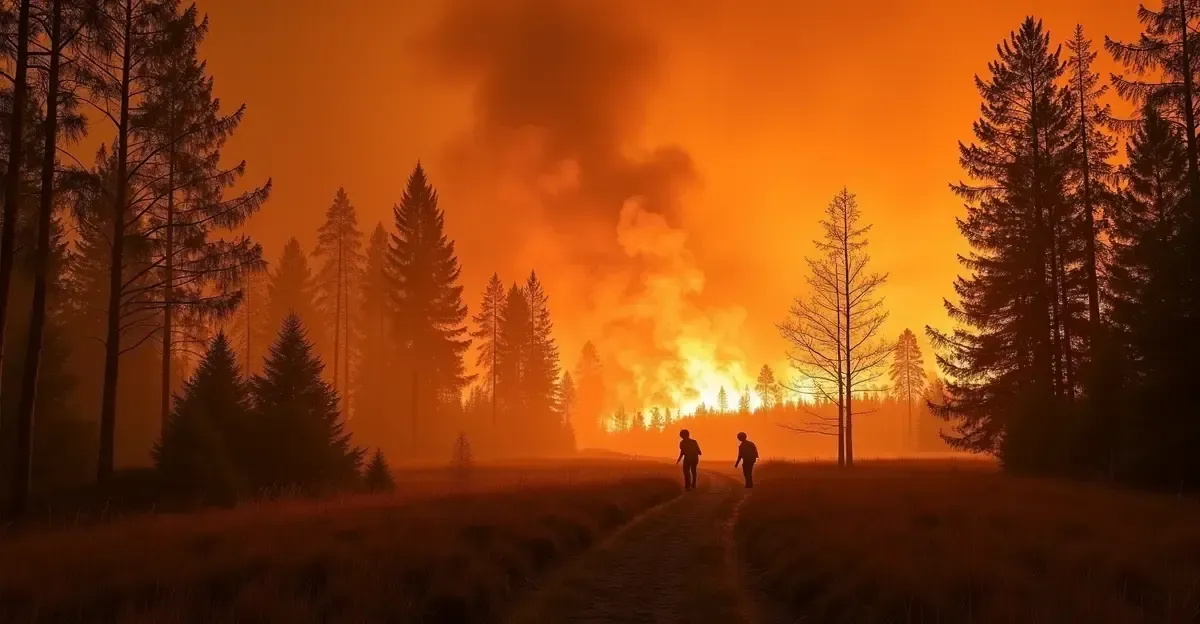
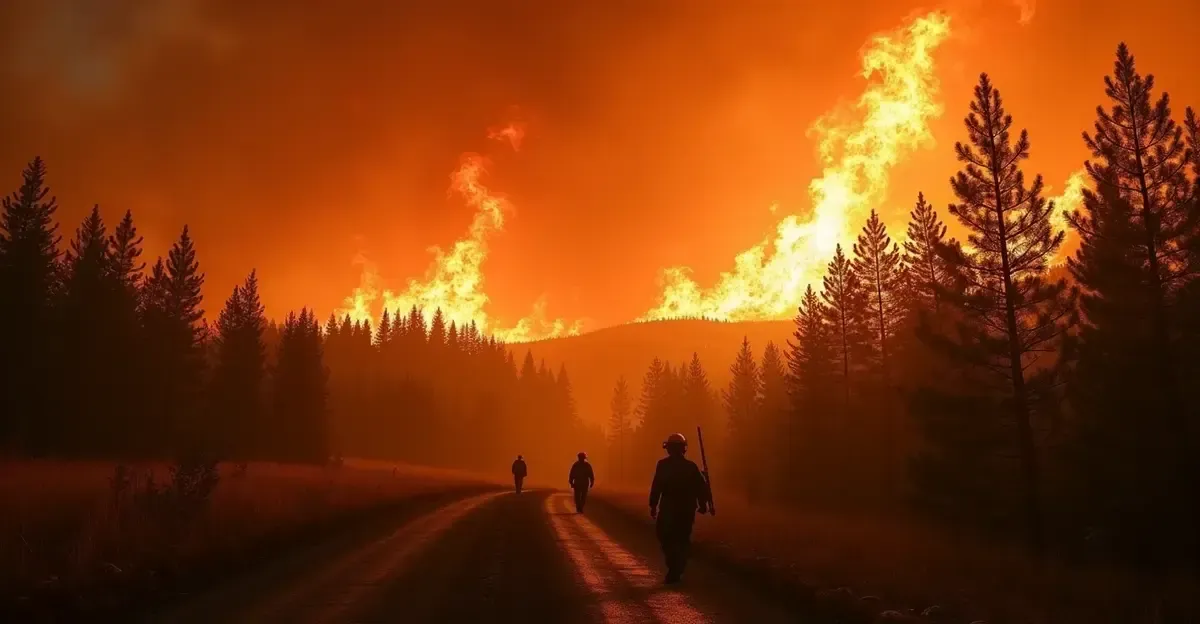
A crown fire is a wildfire that spreads through the tops of trees, jumping from one canopy to another. Unlike ground fires that creep along the forest floor, crown fires can advance rapidly, often outpacing ground crews and making containment extremely difficult. The phenomenon is relatively rare in the Netherlands but has become more common due to prolonged drought periods.
With the fire moving at treetop level, the heat and smoke plume can create unpredictable wind patterns, further accelerating the blaze. Firefighters on site reported that the flames were visible from a great distance, and the situation was described as 'very intense' by a spokesperson for the safety region.
Firefighting Efforts and Deployment
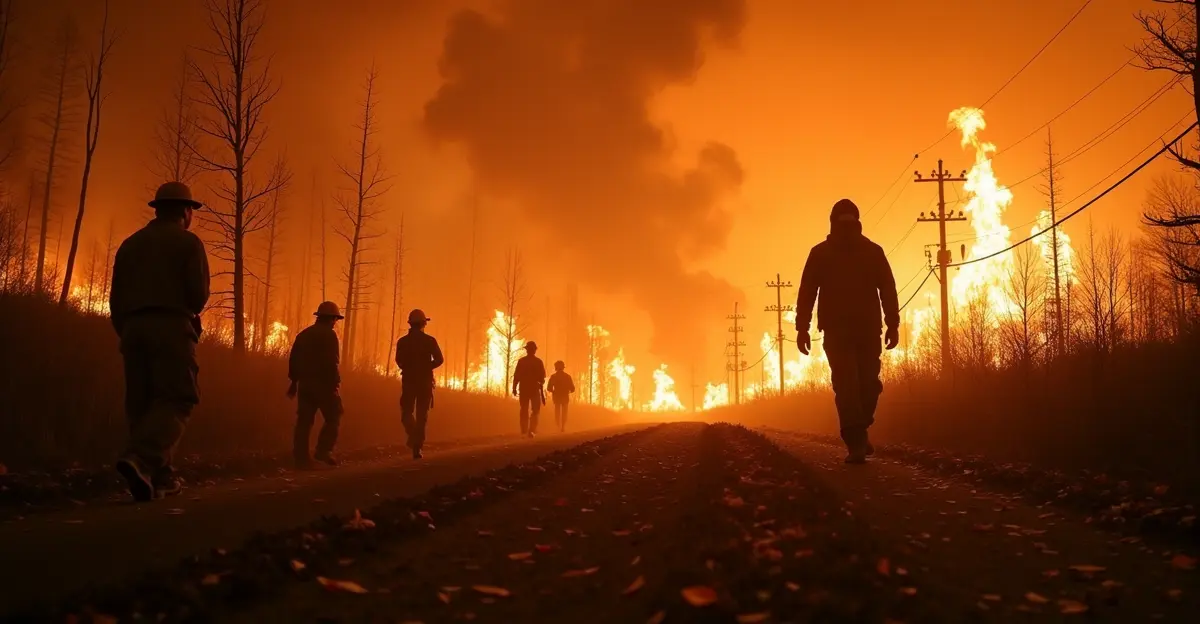
The emergency response was massive. Dozens of fire engines and hundreds of personnel were deployed, including specialized wildfire teams from neighboring provinces. A Ministry of Defence firefighting helicopter was also called in to drop water on the flames from above.
Local authorities urged residents and onlookers to stay away from the area. 'There are very many people and vehicles at work. Please give emergency services room to operate,' the Veiligheidsregio said in a statement. The primary objective was to prevent the fire from spreading to the nearby railway line and adjacent residential areas.
Rail Disruption: No Trains Between Nijmegen and Venray
The proximity of the fire to the track forced the Dutch railway operator NS to suspend all services on the Nijmegen-Venray route. NS stated that trains would not run until at least 6:00 p.m., though a return to normal schedules would depend on firefighting progress and track inspections. The disruption affected hundreds of passengers, with replacement bus services being arranged. Travelers were advised to expect delays and to monitor live updates via the NS app.
The incident is reminiscent of the Rotterdam cable fire that crippled Eurostar services earlier in July 2026, which also highlighted the vulnerability of critical infrastructure to fire events.
Drought and Climate Context
The Netherlands has been in the grip of a severe drought throughout the summer of 2026. According to the Landelijke Coördinatiecommissie Waterverdeling (LCW), water levels in major rivers are falling, and the cumulative precipitation deficit is alarmingly high. The KNMI (Royal Netherlands Meteorological Institute) has expanded its drought monitoring to a year-round basis, reflecting the growing impact of climate change on the country's water balance.
Experts warn that the combination of extreme heatwaves and extended dry spells is creating conditions akin to those in southern Europe. The European wildfire crisis of 2025 saw over 1 million hectares burn across the continent, and Dutch authorities are increasingly concerned about similar scenarios in the Netherlands.
FAQ: Crown Fire and Train Disruption
Why are crown fires so hard to extinguish?
Crown fires spread through tree canopies, making them difficult to reach with ground equipment. They often require aerial support and can leap over firebreaks.
How long will the train disruption last?
NS initially estimated services would resume after 6:00 p.m., but this depends on the fire being brought under control. Passengers should check for real-time updates.
Is the village of Oostrum in danger?
So far, no evacuation orders have been issued, but the safety region has warned residents to stay vigilant and follow official instructions.
What caused the fire?
The cause is still under investigation. Human activity, power lines, or lightning are common ignition sources, though no lightning was reported in the area at the time.
Are wildfires common in the Netherlands?
While smaller brush fires occur annually, large-scale crown fires are relatively rare. However, climate change is increasing their frequency and intensity.
Follow Discussion