Global Maritime Body Approves Landmark Regulations for Autonomous Ships

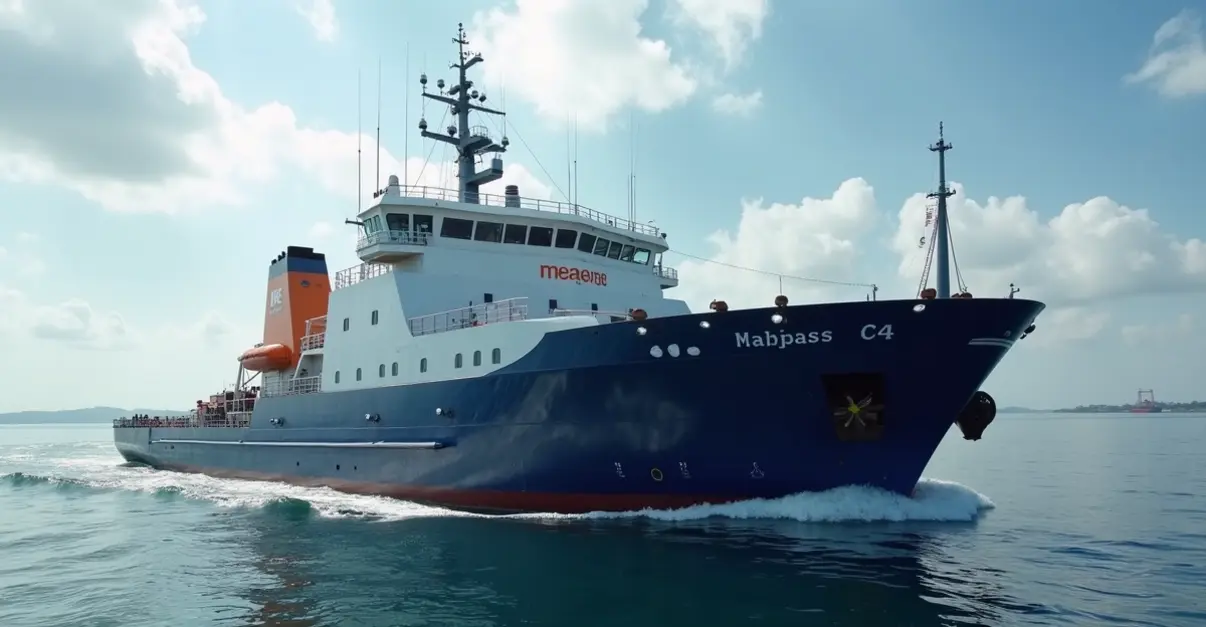
The International Maritime Organization has approved groundbreaking regulations for autonomous ships, establishing safety standards for unmanned vessels. The framework includes four autonomy levels and will transition from voluntary to mandatory by 2032.

Global Maritime Body Approves Landmark Regulations for Autonomous Ships
Share
Edition: EN

New Era for Shipping as IMO Finalizes Autonomous Vessel Rules

The International Maritime Organization (IMO) has officially approved the world's first comprehensive regulatory framework for autonomous ships. After years of development and international collaboration, the Maritime Autonomous Surface Ships (MASS) Code establishes safety standards and operational guidelines for unmanned vessels navigating international waters.

What the Regulations Include

The new framework addresses four levels of autonomy: ships with automated processes (Degree 1), remotely controlled vessels with crew onboard (Degree 2), remotely controlled ships without crew (Degree 3), and fully autonomous vessels (Degree 4). Key provisions include:

  • Clear definitions of remote operator responsibilities
  • Advanced collision avoidance requirements
  • Cybersecurity protocols for vessel control systems
  • Environmental protection standards
  • Emergency response procedures for unmanned operations

Implementation Timeline

The non-mandatory MASS Code will undergo an experience-building phase starting in 2026 before becoming mandatory in 2032. This transition period allows shipping companies to adapt while collecting operational data. "This is about enabling innovation while maintaining our core commitment to safety," stated IMO Secretary-General during the announcement.

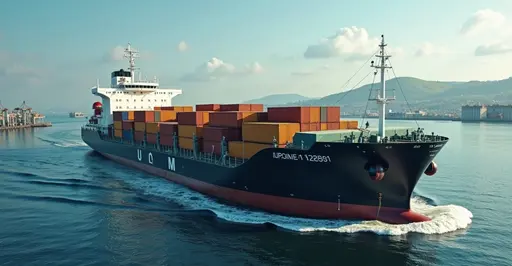
Several countries including Norway, Japan, and South Korea have already conducted successful autonomous vessel trials. The Yara Birkeland in Norway became the world's first fully electric autonomous container ship in 2020.

Closely related

Autonomous Ship Completes Historic Trans-Pacific Trial
Innovation
Innovation
Closely related

Autonomous Ship Completes Historic Trans-Pacific Trial

Autonomous maritime vessel completes 10,000 km trans-Pacific trial with significant fuel savings and advanced...

Autonomous Ships Transform Global Freight Logistics
Technology
Technology
Closely related

Autonomous Ships Transform Global Freight Logistics

Autonomous cargo ships are transforming global logistics with 24/7 operations and fuel savings. New regulations...

Autonomous Shipping Trials Set the Stage for New Safety Standards
Innovation
Innovation
Closely related

Autonomous Shipping Trials Set the Stage for New Safety Standards

2025 marks the start of autonomous ship pilot corridors, testing safety and port integration under the new MASS Code...

AI Boats Navigate Harbors Autonomously
Ai
Ai
Closely related

AI Boats Navigate Harbors Autonomously

AI-powered autonomous boats are transforming harbor operations through advanced navigation systems that improve...

Maritime Disasters: Lessons for Modern Ship Safety
Accident
Accident
Closely related

Maritime Disasters: Lessons for Modern Ship Safety

Maritime disasters like Titanic led to SOLAS safety standards. Modern technology and IMO regulations continue...

Autonomous Vehicle Audit Framework 2026: Complete Guide to Safety Standards & Policy Implications
Automotive
Automotive
Closely related

Autonomous Vehicle Audit Framework 2026: Complete Guide to Safety Standards & Policy Implications

The U.S. Department of Transportation released the Autonomous Vehicle Audit Framework in 2026, establishing...