


 Deutsch
 English
 Español
 Français
 Nederlands
 Português


 Share





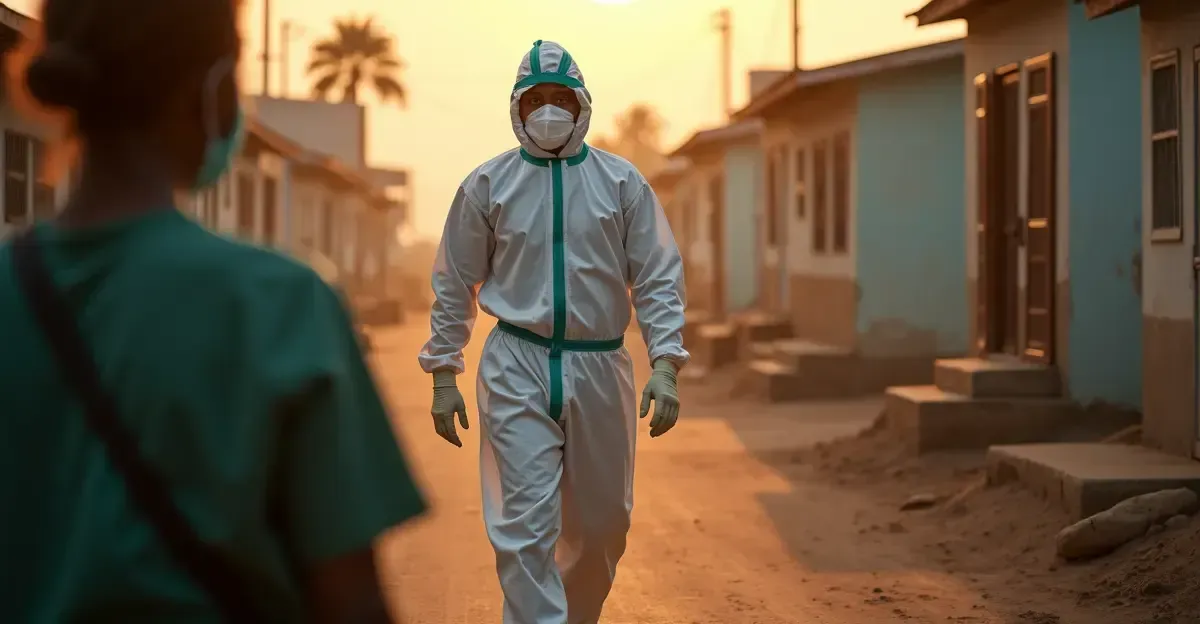
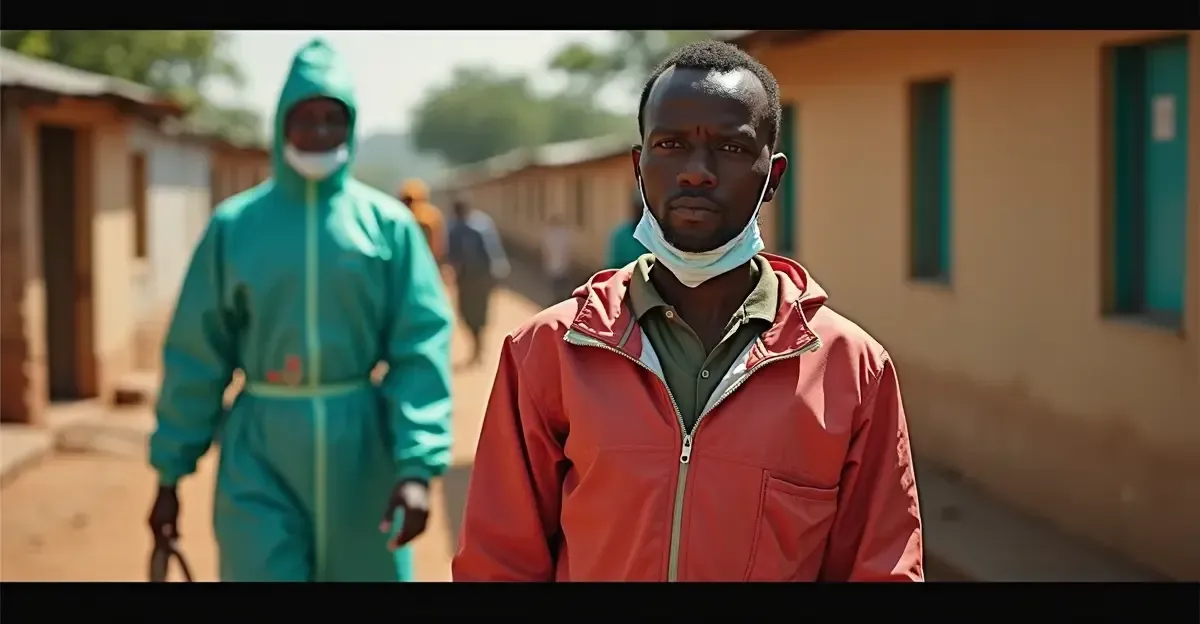
The Ebola outbreak first detected in mid-May 2025 in the Democratic Republic of Congo (DRC) has now reached Kenya and Nigeria, with Kenyan health authorities confirming a second death and Nigerian officials investigating the country's first suspected case in more than a decade. The widening spread raises urgent questions about undetected transmission and the resilience of African health-security systems.
How the Outbreak Spread Across Borders
Kenya's Ministry of Health reported that the latest victim was a 65-year-old woman and a close relative of the country's first Ebola death, a man who had travelled from the DRC. The two cases are epidemiologically linked through family contact, but the cluster raises concerns about community exposure before isolation. Uganda has also recorded cases, making this the widest geographic spread of the current DRC Ebola outbreak 2025 since it began.
Nigeria, meanwhile, is investigating its first Ebola case in more than a decade. The patient is a Ugandan-born woman married to a Swiss diplomat, according to Switzerland's foreign ministry. Crucially, she had not travelled to the DRC, leaving health authorities scrambling to identify the source of her infection and any missing links in the transmission chain.
Kenya's Second Death and the Contact-Tracing Challenge
Kenya's response is focused on breaking the chain of infection around the two confirmed cases. Health workers are tracing everyone who had close contact with the 65-year-old woman and the first victim, and border screening has been intensified at points of entry from Uganda and the DRC.
- First confirmed case: a man who travelled from the DRC
- Second death: a 65-year-old woman, close relative of the first victim
- Response: contact tracing protocols activated and isolation units prepared
Nigeria's Mystery Case: What We Know
The Nigerian case is particularly troubling because the patient had no travel history to the DRC, the known epicentre of the outbreak. Officials are now investigating possible contact with other travellers, contaminated surfaces, or an unrecognised local chain of transmission.
| Factor | Kenya | Nigeria |
|---|---|---|
| Case status | Two deaths confirmed | First suspected case in more than a decade |
| Patient profile | 65-year-old woman, relative of first victim | Ugandan-born woman, spouse of Swiss diplomat |
| Known DRC travel | Yes, first victim travelled from DRC | No |
| Main concern | Community exposure before isolation | Unknown source of infection |
Why This Outbreak Is a Security Threat
Health security analysts warn that cross-border spread of Ebola undermines regional stability and economic activity. Each unexplained case outside the known epicentre signals a potential gap in cross-border disease surveillance. The movement of people, goods and diplomatic personnel across East and West Africa means that a single missed contact can seed new clusters in crowded urban centres.
Moreover, the current outbreak is testing pandemic preparedness funding after years of underinvestment in African health systems. Without rapid laboratory confirmation, isolation capacity and community engagement, the window to contain Ebola narrows sharply.
Expert Perspectives
Public health experts say the Nigerian case demands urgent genomic sequencing and exhaustive contact tracing. An unexplained Ebola case with no travel link to the DRC is a serious warning that we may be missing part of the transmission picture, one regional epidemiologist said. The next 21 days will be critical.
Frequently Asked Questions
What is Ebola virus disease?
Ebola is a severe, often fatal illness caused by Ebola viruses. Symptoms include fever, severe headache, muscle pain, weakness, diarrhoea, vomiting, and unexplained bleeding. The disease can have a case fatality rate of up to 90% in some outbreaks, though prompt supportive care improves survival.
How does Ebola spread?
Ebola spreads through direct contact with blood or body fluids of a person who is sick with or has died from Ebola, or through contact with contaminated objects. It is not airborne.
Is there a vaccine for Ebola?
Yes. The rVSV-ZEBOV vaccine is highly effective against the Zaire Ebola virus species and has been used in ring vaccination campaigns during recent outbreaks in the DRC and Uganda.
Should travellers avoid Kenya and Nigeria?
The World Health Organization has not recommended general travel restrictions, but travellers should monitor official health advice and avoid contact with sick individuals or bodies.
What Happens Next
Kenyan and Nigerian authorities, supported by the World Health Organization and the Africa Centres for Disease Control and Prevention, are expanding surveillance, preparing treatment centres and preparing to deploy vaccines to close contacts. The next two to three weeks will determine whether this multi-country outbreak can be contained or whether it will demand a larger international response.


Follow Discussion