


 Deutsch
 English
 Español
 Français
 Nederlands
 Português


 Share





Iranian singer Parastoo Ahmadi was flogged with 74 lashes in the central city of Qom after performing without a hijab, a punishment that has reignited global criticism of Iran's use of corporal punishment against women and artists. The 29-year-old singer was sentenced in June 2026 for 'violating public decency' and 'publishing obscene and indecent material,' and the flogging was carried out on November 23, 2026, according to her lawyer.
What happened to Parastoo Ahmadi?
In December 2024, Ahmadi uploaded a concert to her YouTube channel filmed at the historic Dayr-e Gachin caravanserai, appearing in a sleeveless dress and without a headscarf. The video, which has been viewed nearly 3.5 million times, showed her singing to an empty venue. 'I am Parastoo, a woman who wants to sing for the people I love. That is a right I could not ignore: singing for the land I love,' she wrote alongside the footage.
Under Iran's strict sharia-based legal system, women are barred from appearing in public without a hijab, and performing solo before mixed-gender audiences is also prohibited. After the video circulated, Iranian authorities arrested Ahmadi in December 2024, though she was released days later following widespread outrage. In June 2026, a criminal court convicted Ahmadi and eight others involved in the concert, sentencing her to 74 lashes and a two-year ban on artistic activities and international travel.
How the punishment was carried out
The flogging was administered in Qom, about 120 kilometers south of Tehran, according to one of the defendants' lawyers who spoke to the BBC. Three musicians and a producer involved in the concert also received 74 lashes each. The appeals court had earlier rejected Ahmadi's appeal. Rights groups have condemned the punishment as torture and a violation of basic human rights, noting that flogging is explicitly prohibited under international law.
Although Iran claims to have an independent judiciary, the courts operate under the control of the country's Supreme Leader, and fair trials are effectively impossible, human rights organizations say. The Iranian hijab enforcement crackdown has intensified since the 2022 death of Mahsa Amini, a 22-year-old Kurdish woman who died in custody after being arrested by morality police for allegedly wearing her headscarf 'improperly.'
Context: Iran's hijab laws and recent protests
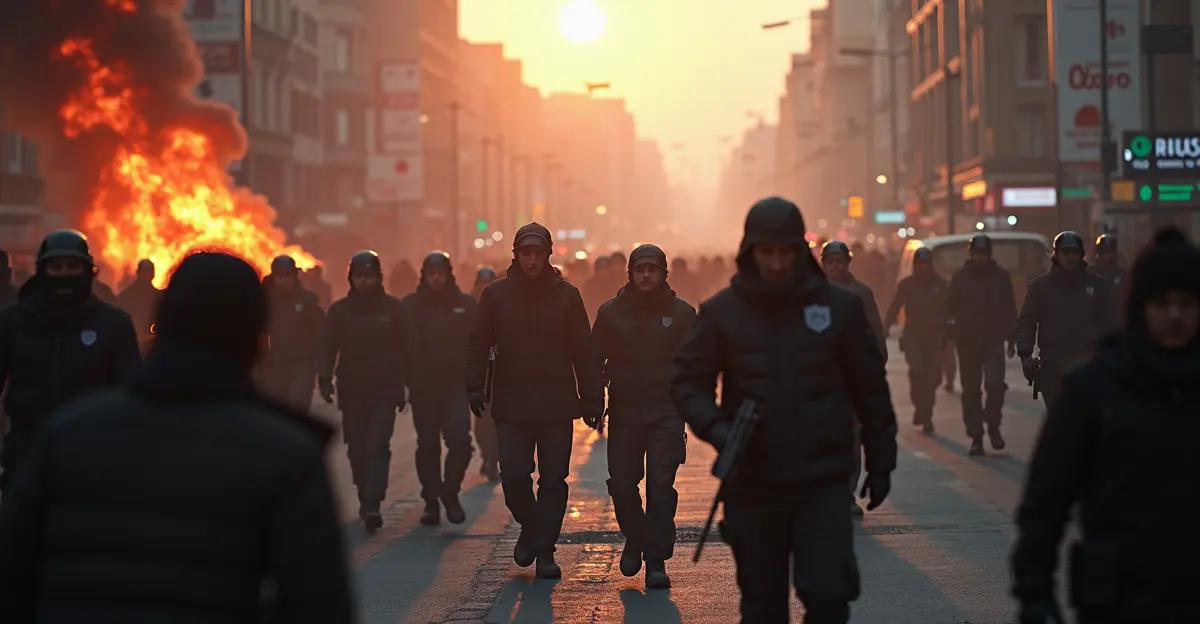
Iran has long enforced a strict dress code for women, but enforcement has been uneven. After Amini's death sparked nationwide protests, more women began appearing in public without headscarves. In 2025 and early 2026, new demonstrations erupted over the country's dire economic situation, but quickly evolved into broader calls for freedom and regime change. The uprising was violently suppressed, with thousands killed and detained. Many protesters were sentenced on charges such as 'enmity against God' without credible evidence, and some received death sentences.
The 2022 Mahsa Amini protests marked a turning point in Iran's resistance movement, but the regime has responded with escalating violence and judicial repression. Iran remains one of the world's leading executioners: at least 1,639 people were executed in 2025, according to human rights organizations.
Impact and international reaction
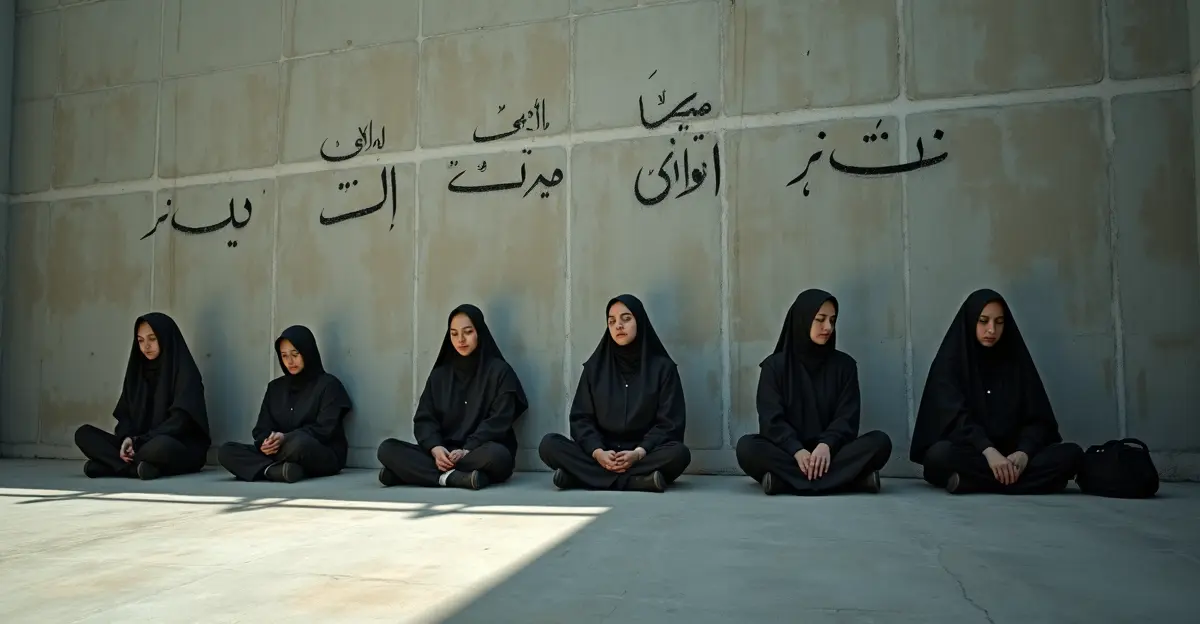
The flogging of Ahmadi has drawn sharp condemnation from international human rights groups, who describe it as a chilling message to Iranian women and artists. The use of flogging in Iran has been widely documented as a form of state-sanctioned torture. Activists warn that the sentence sends a clear signal that artistic expression and women's rights remain under severe threat in the Islamic Republic.
FAQ
Why was Parastoo Ahmadi flogged?
Parastoo Ahmadi was flogged because she performed in a sleeveless dress without a hijab and published the concert on YouTube, which Iranian authorities ruled as 'obscene and immoral' and a violation of public decency.
How many lashes did Parastoo Ahmadi receive?
She received 74 lashes, a sentence handed down by an Iranian criminal court in June 2026 and carried out on November 23, 2026.
Where was the punishment carried out?
The flogging took place in the city of Qom, approximately 120 kilometers south of the Iranian capital, Tehran.
What other restrictions were imposed on Ahmadi?
In addition to the lashes, Ahmadi was banned from performing and from leaving Iran for two years.
What was the international reaction?
Human rights organizations and international observers condemned the flogging as torture and a violation of human rights, calling it part of Iran's wider crackdown on women and artists.

Follow Discussion