


 Deutsch
 English
 Español
 Français
 Nederlands
 Português


 Share





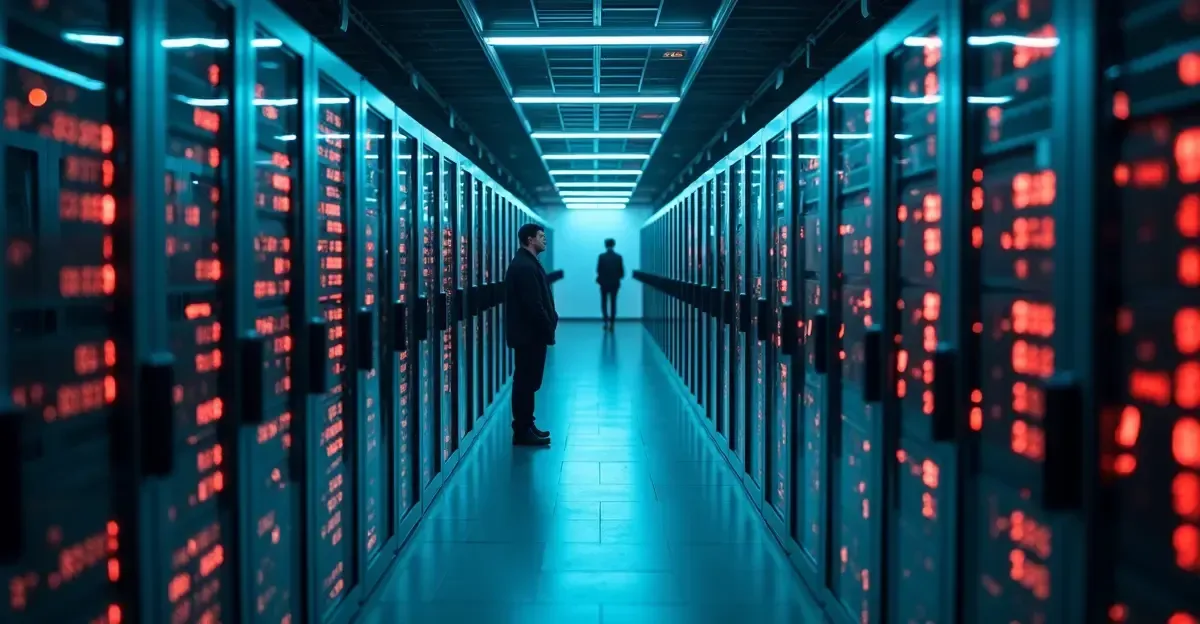
SpaceX and AI stocks slid sharply on Wednesday after Democrats swept the US midterm elections, fuelling investor fears of tougher scrutiny of data-centre construction and the AI industry. Tesla fell more than 3%, SpaceX dropped nearly 4%, and AI infrastructure names including CoreWeave, Iren and Nebius traded lower even as Meta, Microsoft and Google rallied. The selloff is an early market reaction to the Democratic midterm sweep and shows how quickly political risk around AI infrastructure and data-centre expansion is being priced into tech valuations.
What triggered the midterm data-centre selloff?
Democrats won control of the House and Senate on 3 November 2026 and claimed key governorships, including Texas, Georgia, Ohio and Pennsylvania. In Texas, Democrat Gina Hinojosa defeated incumbent Greg Abbott after campaigning on an immediate statewide moratorium on new data-centre construction. The BBC reported that shares in SpaceX plunged, while The Guardian's business live coverage noted Wall Street sliding on AI fears as investors weighed the prospect of data-centre regulation and a slower AI buildout.
Which stocks fell and why
Here is how key names moved in early trading on 4 November 2026:
| Stock / Asset | Move | Driver |
|---|---|---|
| SpaceX (SPCX) | -4% | Musk exposure, Texas data-centre moratorium risk |
| Tesla (TSLA) | -5% to -3% | Democratic control, regulatory scrutiny |
| CoreWeave (CRWV) | -10% | Direct data-centre exposure |
| Iren | -11% | Data-centre power demand concerns |
| Nvidia (NVDA) | -3.2% | AI trade valuation reset |
Wells Fargo estimates about 27% of planned US data-centre gigawatts are in Texas, making the state a focal point for the AI data centre boom.
Why Texas matters for AI data centres
Texas has more than 500 data centres and accounts for over 25% of planned US data-centre capacity by 2030, according to the Texas Tribune. Hinojosa, the first Democratic governor of Texas since 1990, has promised to halt all data-centre approvals until the Legislature passes new protections on water, land and electricity costs. She also wants operators to hire union workers, end non-disclosure agreements and pay sales tax on electricity. The Texas energy grid has become a flashpoint, with local opposition growing over power demand and water use.
What the Democratic sweep means for AI infrastructure
Analysts warned that Democratic control could slow the buildout of 800 to 1,000 planned US AI data centres. Wedbush analyst Dan Ives said Democratic control, especially of the Senate, will create major hurdles for AI and tech legislation over the next two years. He flagged Texas as the biggest worry and said SpaceX and Elon Musk are caught front and center in this spiderweb. Musk joked on X that data centers in space looking pretty appealing right now. However, Fundstrat's Tom Lee noted that Donald Trump can veto anti-AI bills and that Democrats often welcome data centres for jobs and tax revenue. Reuters reported that investors erased roughly $2.5 trillion in value from the Nasdaq as the blue tsunami raised concerns about AI regulation and spending.
Expert perspectives
Evercore ISI analysts led by Amit Daryanani warned a more restrictive data-centre development environment could hurt sentiment, though long-term fundamental impact is unclear. The Goldman Sachs Broad AI basket had already fallen 15% in October before the midterm result. Yet some see the selloff as a buying opportunity: Ives remains long-term bullish on AI, and the broader market rallied as Meta, Microsoft and Google gained, suggesting the pain is concentrated in names directly tied to data-centre construction and Musk's companies.
FAQ
Why did SpaceX stock fall after the midterms?
SpaceX, which went public in June 2026, fell about 4% because Democrats swept Congress and the Texas governorship, raising regulatory and data-centre scrutiny risks for Elon Musk's companies.
What is the Texas data-centre moratorium?
Governor-elect Gina Hinojosa campaigned on an immediate statewide moratorium halting new data-centre construction until the Texas Legislature passes new water, land and electricity protections.
Which AI stocks were hit hardest?
CoreWeave fell as much as 10% and Iren 11%, while Nvidia slipped 3.2%, Tesla lost more than 3% and SpaceX nearly 4%.
Will Democrats actually block AI data centres?
Analysts say risks are real but not certain: Donald Trump can veto anti-AI legislation, and many Democrats support data centres for jobs and revenue.
Conclusion
The post-midterm selloff shows how quickly political risk around AI infrastructure and data-centre expansion is being priced into tech valuations. Investors will watch the Texas legislative session in January and any federal action on AI infrastructure policy for the next move.



Follow Discussion