


 Deutsch
 English
 Español
 Français
 Nederlands
 Português


 Share
Share




New Arctic Shipping Lanes Emerge as Ice Retreats
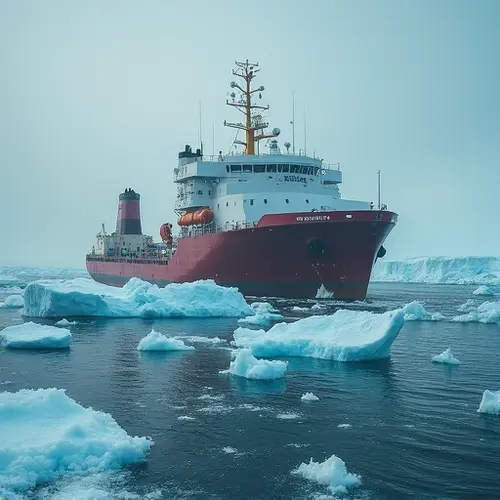
The Northern Sea Route (NSR) along Russia's Arctic coastline has become increasingly navigable due to accelerating ice melt, cutting shipping distances between Asia and Europe by nearly 50%. This 5,600-kilometer route reduces the journey from Yokohama to Murmansk from 12,840 nautical miles via Suez Canal to just 5,770 nautical miles. Major ports like Sabetta and Pevek are seeing unprecedented traffic as companies seek to slash fuel costs and transit times.
Environmental Concerns Mount
Scientists warn that increased shipping brings pollution risks to fragile Arctic ecosystems. "While shorter routes mean lower CO2 emissions, the potential for oil spills in pristine waters and black carbon deposits from ship exhausts could accelerate ice melt further," explains Dr. Lena Petrov of the Arctic Research Center. A 2025 International Maritime Organization report notes a 40% increase in Arctic shipping traffic since 2020, with limited infrastructure for environmental monitoring or emergency response.
Geopolitical Flashpoints
Russia claims full control over the NSR as internal waters, requiring foreign vessels to obtain permits and use Russian icebreaker escorts. This stance has drawn objections from NATO members who consider it an international strait. China's growing investments in Arctic infrastructure have raised eyebrows, with its "Polar Silk Road" initiative expanding Beijing's influence in the region. The Belfer Center's 2025 analysis notes: "Control over these routes is becoming a new strategic priority, with implications for global trade patterns and military positioning."
Economic Shifts Ahead
Shipping companies could save up to $600,000 per voyage using Arctic routes, potentially diverting 15-20% of Suez Canal traffic by 2030. However, insurance premiums remain high due to unpredictable ice conditions and rescue challenges. "The environmental cost might outweigh the economic benefits," cautions Greenpeace Arctic campaigner Erik Jensen. "We're trading short-term profits for long-term planetary damage."





Follow Discussion