


 Deutsch
 English
 Español
 Français
 Nederlands
 Português


 Share
Share




New Arctic Shipping Corridors Emerge
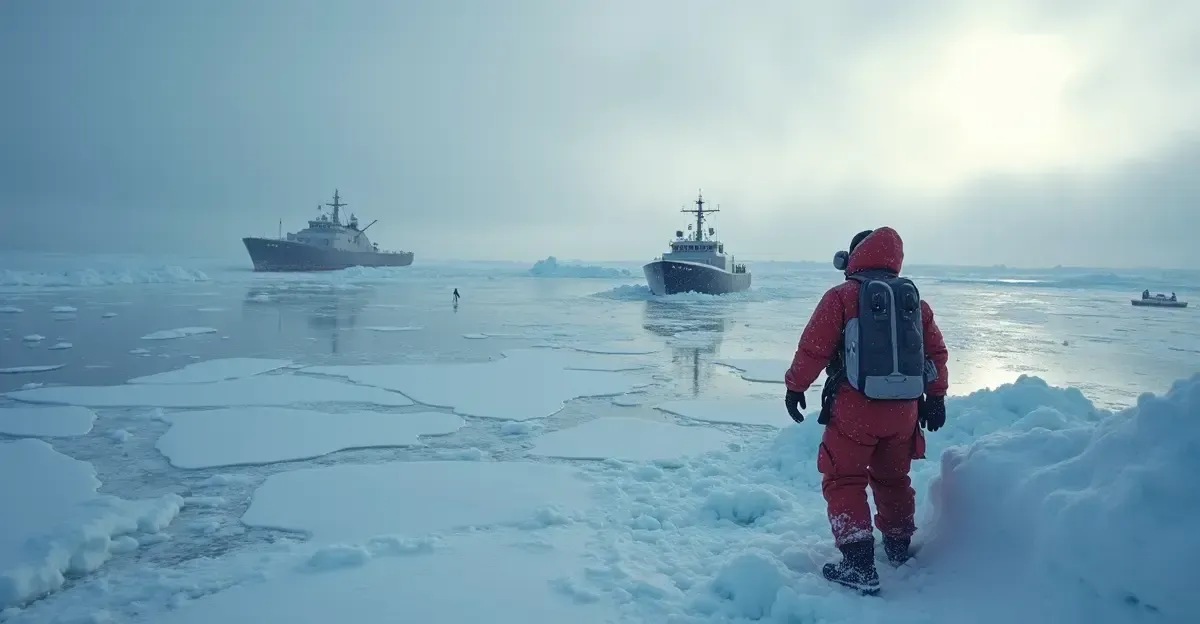
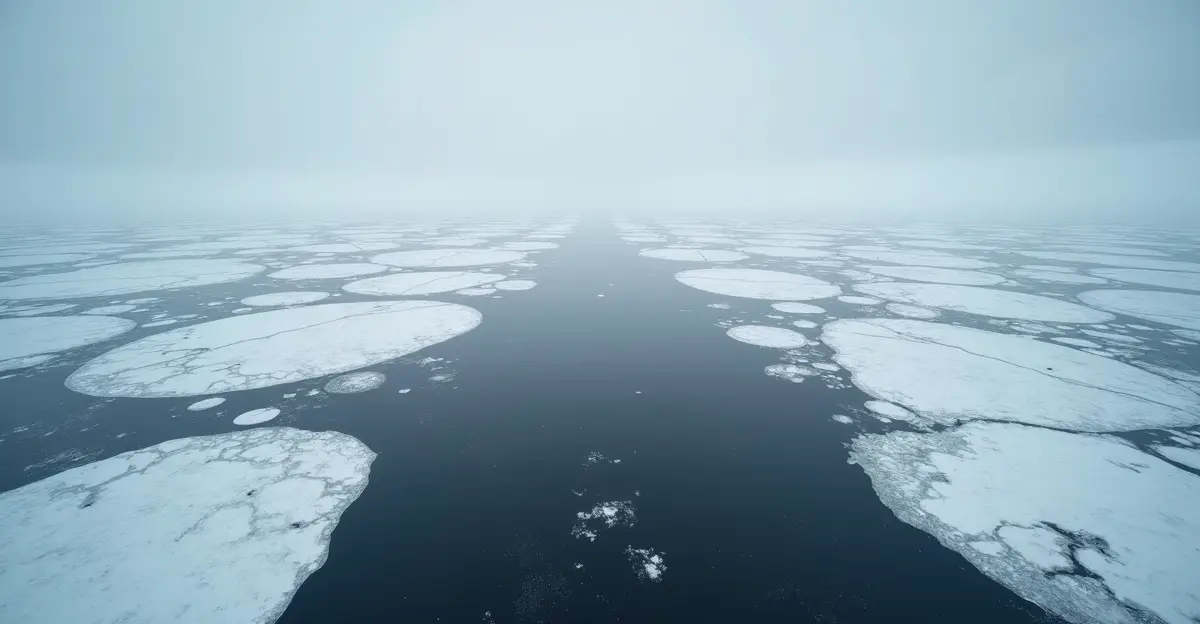
Rapidly melting Arctic sea ice is opening historically impassable shipping routes, with the Northern Sea Route (NSR) along Russia's coast becoming navigable for up to four months annually. Satellite data shows September ice coverage has decreased by 10.7% per decade since the 1980s, with the NSR projected to be reliably ice-free during summer months by 2030.
Global Trade Impact
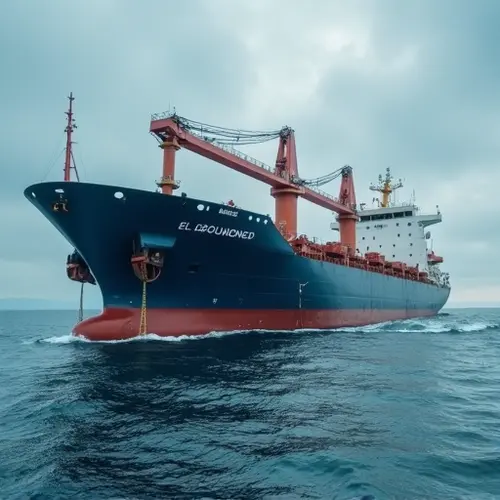
The NSR cuts the Yokohama-Rotterdam journey from 20,000 km via Suez Canal to just 9,000 km - reducing transit time from 29 days to just 10. Bulk carriers like the MV Nordic Barents have reported $550,000 in fuel savings per voyage. "When time and fuel savings combine, the picture changes dramatically," says Igor Pankov of Sovcomflot, Russia's largest Arctic shipper.
Environmental Paradox
While shipping emissions decrease per voyage, the melting itself creates a dangerous feedback loop:
- Exposed dark ocean absorbs heat instead of reflecting it (albedo effect)
- Arctic warming accelerates 4x faster than global average
- Potential release of methane from thawing permafrost
Geopolitical Shifts
China is investing heavily in ice-class vessels, viewing Arctic routes as a solution to its "Malacca Dilemma" - where 78% of its oil imports pass through the strategic chokepoint. "This is the Arctic Golden Waterway," declared Chinese officials after the Sanko Odyssey's inaugural iron ore transit. Russia meanwhile charges $210,000 for mandatory icebreaker escorts, creating tension with international shippers.
Infrastructure Challenges
Significant obstacles remain before large-scale adoption:
- Lack of ports along 4,000 km Siberian coastline
- Unpredictable drift ice even during "ice-free" periods
- Insurance premiums 300% higher than Suez routes
- GLONASS navigation system required instead of GPS
Future Projections
Climate models suggest:
- By 2060: Winter ice reduced to 85% of 2020 levels
- By 2090: Summer ice coverage below 10%
- 90-100 day NSR navigation window by 2080



Follow Discussion