


 Deutsch
 English
 Español
 Français
 Nederlands
 Português


 Share
Share




Arctic Ice Thickening Explained: Dutch Company Tests Geoengineering in Canada 2026
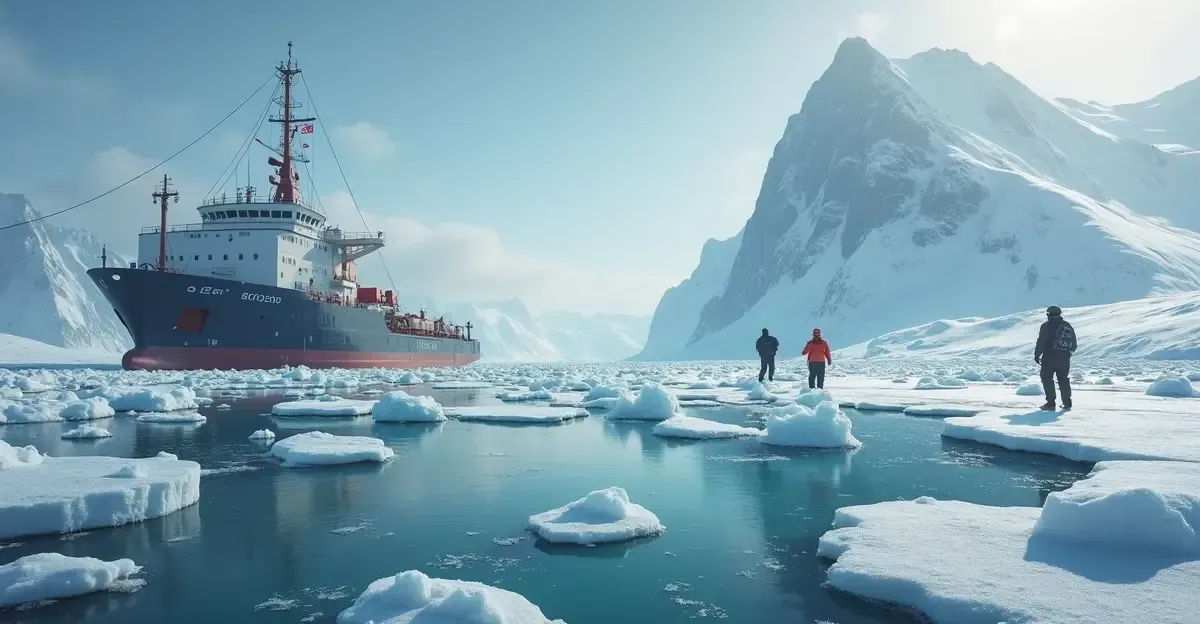
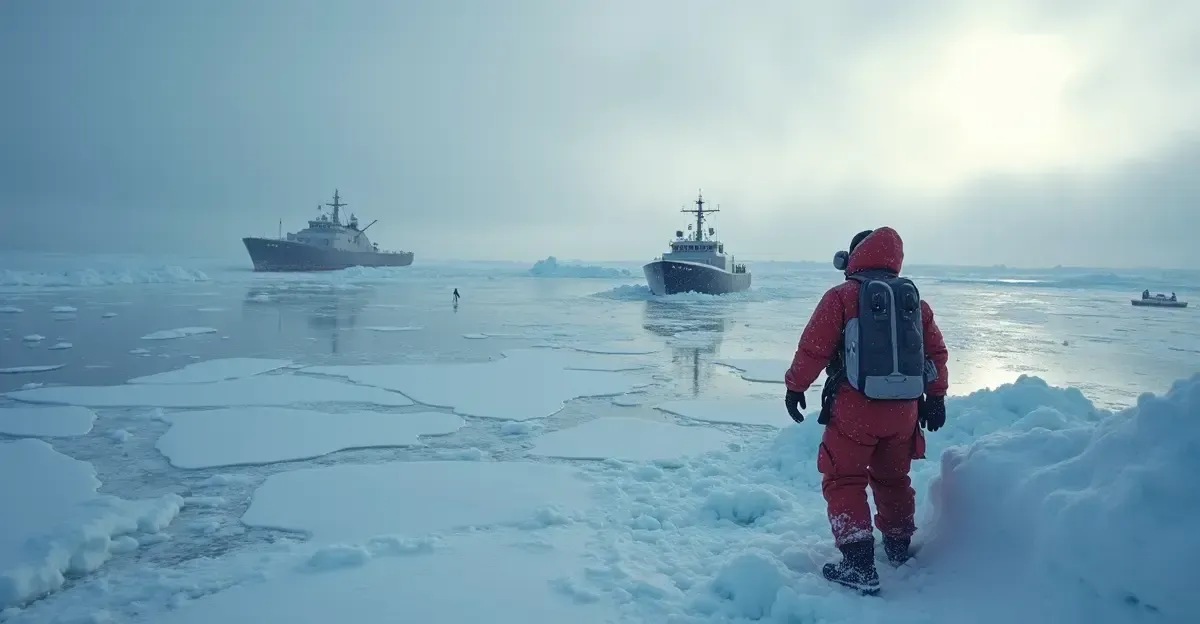
In the harsh Arctic conditions of northeastern Canada, where temperatures plummet to -25°C, a Dutch company called Arctic Reflections is conducting groundbreaking field tests to thicken sea ice using innovative geoengineering techniques. This controversial approach aims to combat the accelerating loss of Arctic sea ice, which has declined by over 50% since satellite records began in the 1970s, threatening to create an ice-free Arctic summer within decades.
What is Arctic Sea Ice Thickening?
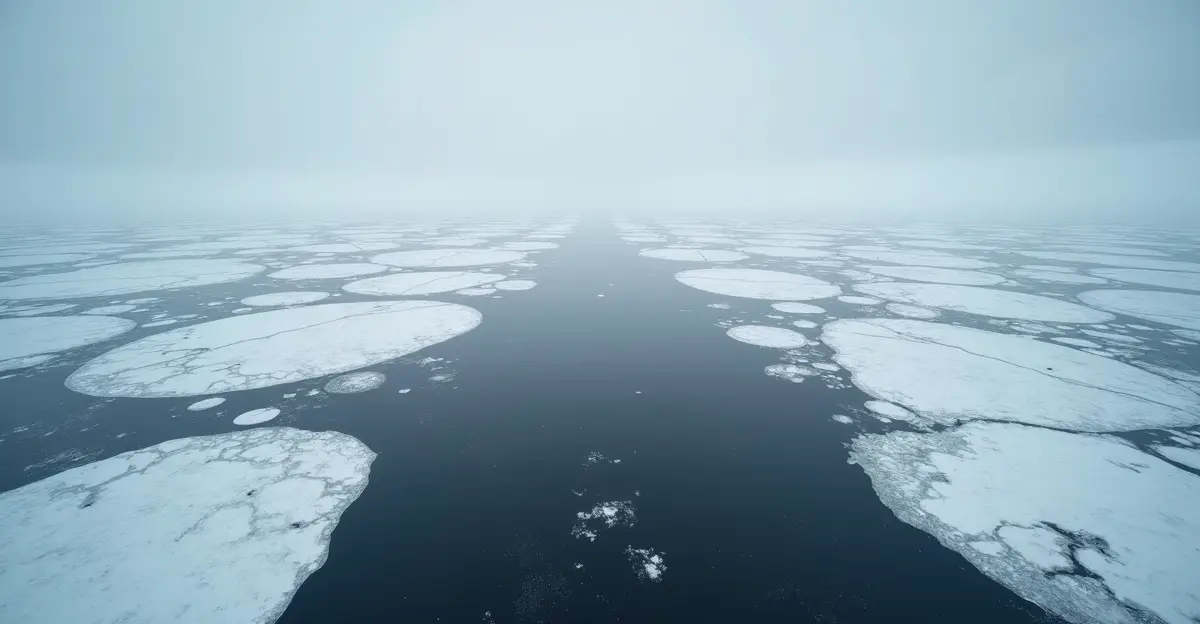
Arctic sea ice thickening is a geoengineering technique that involves pumping seawater onto existing ice surfaces, where it rapidly freezes in sub-zero temperatures. Unlike natural ice growth that occurs only at the bottom, this method creates ice on both top and bottom surfaces simultaneously. The process also freezes the snow layer that normally insulates ice, preventing natural thickening from below. This innovative approach represents a significant departure from traditional climate mitigation strategies focused solely on emissions reduction.
The Dutch Innovation in Arctic Geoengineering
Arctic Reflections, founded by Dutch entrepreneur Fonger Ypma, is pioneering this technology with field tests in Baffin Bay, Nunavut, Canada from February to March 2026. The company received an €11 million subsidy from a British government fund dedicated to researching large-scale climate interventions. Their approach builds on the Dutch concept of 'ijsmeesters' (ice masters) who traditionally thickened ice by pouring water layers, but scaled to unprecedented dimensions.
How the Technology Works
The process involves mobile pumping platforms that extract seawater and spray it onto existing ice. At temperatures around -25°C, the water freezes almost instantly, creating additional ice layers. This method addresses the critical albedo effect: white ice reflects 90% of solar radiation back into space, while dark ocean water absorbs 90% of sunlight, creating a dangerous warming feedback loop. By thickening ice, Arctic Reflections aims to preserve this natural 'heat shield' that helps regulate global temperatures.
'We are to our duty bound to try this,' says Fonger Ypma, founder and director of Arctic Reflections. 'Other people focus on the Amazon region, we are busy with the polar region.'
The Scale of the Challenge
The Arctic is warming four times faster than the global average, with summer sea ice extent shrinking dramatically. Since the 1970s, both winter and summer ice coverage have decreased significantly, with multi-year ice declining from 26% of Arctic sea ice in 1988 to just 7% by 2013. To make a meaningful impact, Arctic Reflections estimates they need to thicken approximately 80,000 square kilometers of ice annually—an area twice the size of the Netherlands.
The company envisions deploying around 1,000 mobile pumping platforms that would be strategically moved to areas where ice is most vulnerable to summer melting. This ambitious scaling represents one of the largest geoengineering proposals ever conceived, comparable to the EU carbon border tax in its potential global impact on climate policy.
Scientific Controversy and Criticism
The geoengineering approach faces significant skepticism from the scientific community. Over 40 glaciologists recently published a paper in Frontiers in Science warning that such interventions are unrealistic and potentially dangerous. Critics argue these methods create a 'moral hazard' by distracting from essential emissions reductions and offering false hope.
'It distracts from, and delays, getting CO2 emissions down,' says Marie Cavitte, polar researcher at the Free University of Brussels. 'These plans offer false hope and only lead to wasted time for what really works.'
Julienne Stroeve, a polar scientist at University College London, adds: 'I don't think this can be done on a reasonable scale. The approach is unworkably expensive, energy-intensive, and impractical.'
Inuit Collaboration and Ethical Considerations
Arctic Reflections is conducting its research in close collaboration with Inuit communities in Nunavut, Canada, following the Circumpolar Inuit Protocols for Equitable and Ethical Engagement. The company emphasizes Free, Prior and Informed Consent (FPIC) and incorporates traditional Indigenous knowledge about sea ice dynamics. This ethical approach distinguishes their work from previous Arctic resource extraction projects that often marginalized local communities.
The Larger Geoengineering Debate
The Arctic Reflections project sits within a broader scientific 'civil war' over polar geoengineering. Proponents argue that with Earth already warmed 1.3°C and emissions continuing to rise, such interventions may be necessary as a last resort. Opponents counter that the massive scale required—potentially millions of pumps—makes these proposals infeasible and environmentally risky.
Similar debates surround other climate engineering technologies like stratospheric aerosol injection and ocean fertilization. What makes Arctic Reflections unique is its focus on restoring a natural system rather than creating artificial ones.
Future Implications and Timeline
If successful, Arctic Reflections' technology could buy crucial time while global emissions reduction efforts continue. The company emphasizes their approach is complementary to, not a replacement for, reducing fossil fuel use. Field test results from the 2026 expedition will be openly shared, with follow-up measurements continuing through the summer melting season.
The ultimate goal is to help prevent the first virtually ice-free Arctic summer, which scientists predict could occur before 2050. Such an event would accelerate global warming by approximately 0.19°C by mid-century, with cascading effects on weather patterns, sea levels, and ecosystems worldwide.
Frequently Asked Questions
What is Arctic sea ice thickening?
Arctic sea ice thickening is a geoengineering technique that involves pumping seawater onto existing ice where it freezes, creating additional ice layers to combat melting caused by climate change.
How does the Dutch company's technology work?
Arctic Reflections uses mobile pumping platforms to spray seawater onto ice surfaces in sub-zero temperatures (-25°C), where it freezes instantly, thickening ice from both top and bottom simultaneously.
Why is Arctic sea ice important?
Arctic sea ice reflects 90% of solar radiation back into space, acting as Earth's natural refrigerator. When it melts, dark ocean water absorbs 90% of sunlight, accelerating global warming through the albedo effect.
What are the main criticisms of this approach?
Scientists criticize geoengineering for being unrealistic at needed scales, potentially damaging to fragile Arctic ecosystems, and creating a 'moral hazard' by reducing urgency for emissions reductions.
How does this differ from traditional climate solutions?
Unlike emissions reduction strategies, geoengineering aims to directly manipulate environmental systems. Arctic Reflections emphasizes their approach complements rather than replaces traditional climate action.

Follow Discussion