


 Deutsch
 English
 Español
 Français
 Nederlands
 Português


 Share
Share




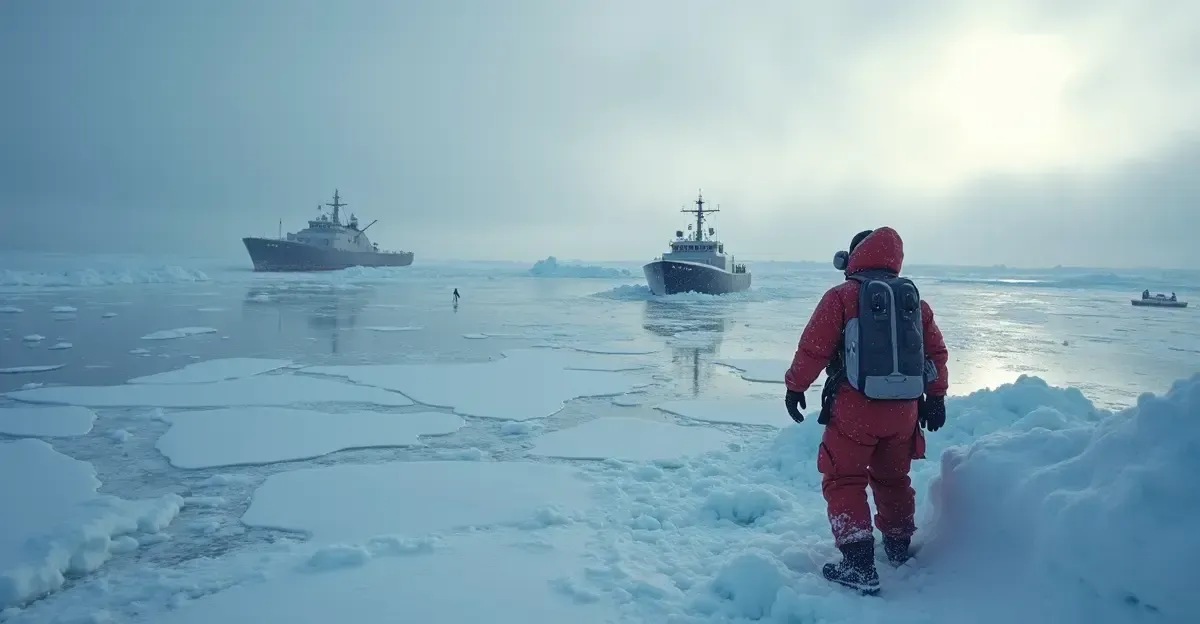
Rapid Arctic sea-ice melt has transformed the Arctic Corridor from a seasonal frontier into a year-round theater of great-power rivalry in 2026. The Northern Sea Route (NSR), once ice-bound for most of the year, now supports regular commercial transits between China and Europe, cutting voyage distances by roughly 30–40 percent compared with the Suez Canal. As Russia fortifies its 'Fortress Arctic' posture, NATO runs its largest cold-weather exercise, and the US-Canada-Finland ICE Pact moves to industrial execution, the High North is emerging as a new axis of global power competition.
What is the Arctic Corridor?
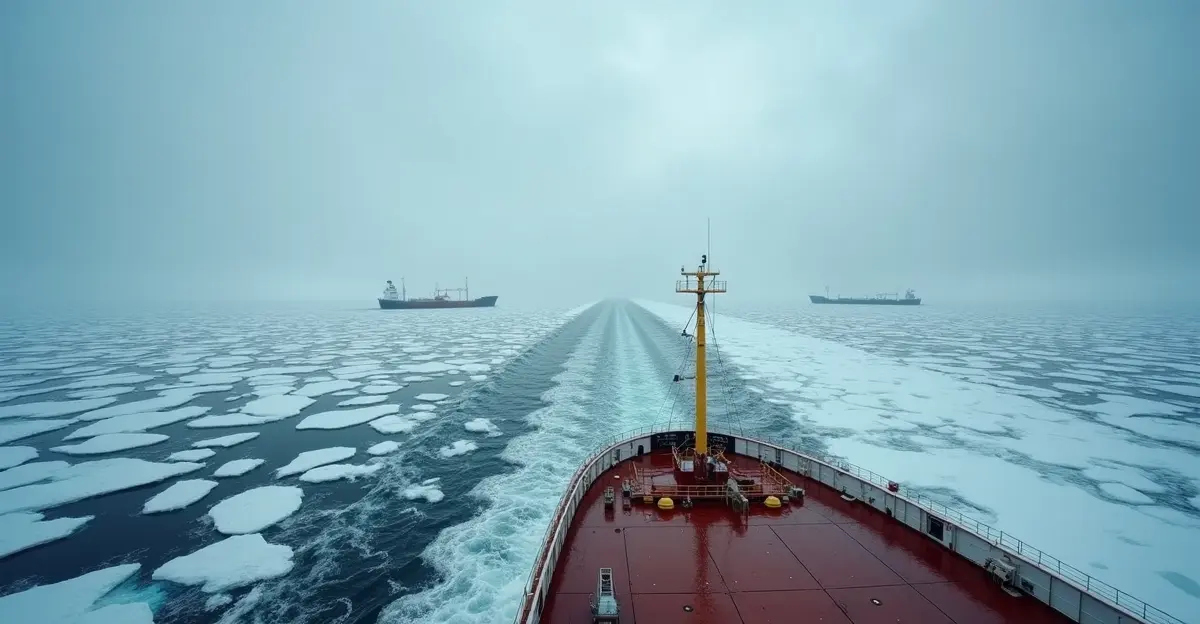
The Arctic Corridor refers to the network of shipping lanes and strategic infrastructure opening across the polar north as sea ice retreats at record pace. At its heart lies the 5,600-kilometer Northern Sea Route, which runs along Russia's Arctic coast and connects the Barents and Bering Seas. February 2025 saw the lowest winter sea-ice maximum on record, and by August 2026 the NSR began its first regularly scheduled commercial container services between China and Europe, according to Carnegie Politika. The route can shave 7–10 days off Asia-Europe voyages and reduce sailing distance by up to 40 percent, yet cargo volumes remain modest: the NSR handled 37.02 million tonnes in 2025, down 2.3 percent from 2024, with Russian energy exports accounting for roughly 60 percent of the total.
Military Posture: Russia's Fortress Arctic and NATO's Cold Response
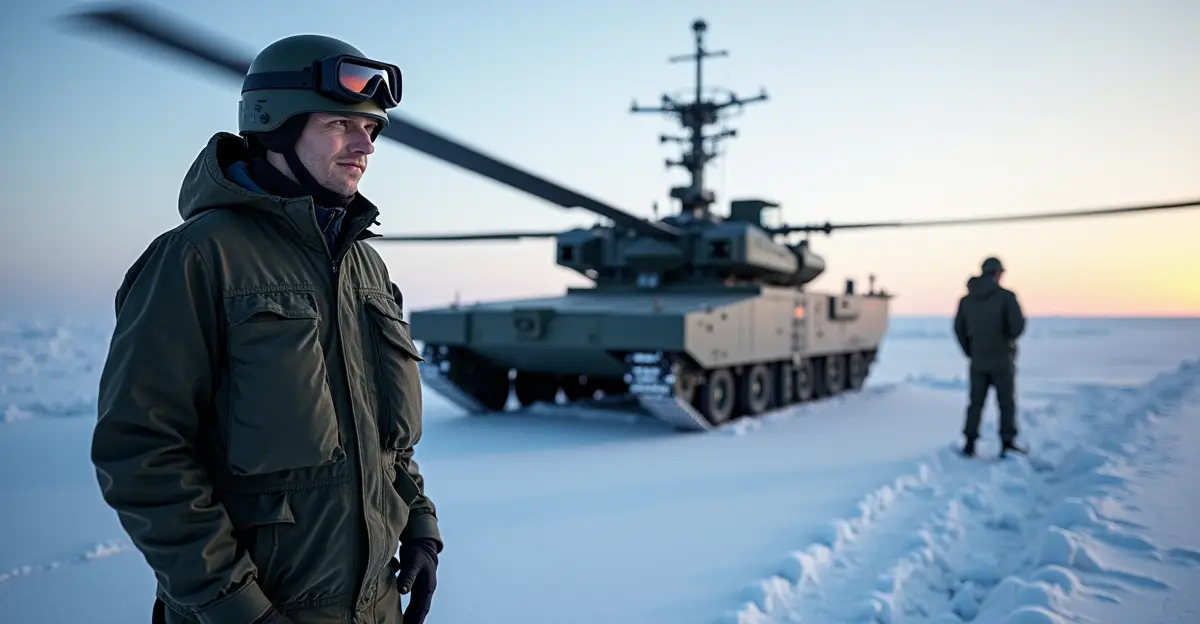
Moscow has turned the NSR into a militarized gatekeeper zone, anchored by a string of Arctic military bases. Russian forces have deployed S-400 air defense and Bastion-P coastal missile systems along the route, creating an anti-access/area-denial bubble that obliges foreign vessels to seek permits and escort, according to a CommandEleven Intelligence report. The Kremlin frames the NSR as sovereign internal waters, a claim contested by Washington and other Arctic states. In parallel, NATO's Cold Response 2026 exercise, held March 9–19 under the new NATO Arctic Sentry framework, gathered 32,500 troops from 14 nations across northern Norway, Sweden, and Finland. The drill integrated Finland and Sweden for the first time as full NATO members, but some high-end assets, including US F-35 squadrons and a French carrier group, were withdrawn before the field phase, exposing alliance force-availability strains. 'Rising traffic on Russia's Northern Sea Route reflects global conflict, not warming or improved economics,' noted Carnegie analyst Mikhail Korostikov.
Economic Battle: Icebreakers, Sanctions, and the Polar Silk Road
The economic contest is defined by an icebreaker gap and sanction-proof logistics. Russia operates more than 50 icebreakers, including the world's only nuclear-powered fleet, while the United States fields just two aging heavy icebreakers. To close this gap, the ICE Pact icebreaker collaboration—formalized in 2024 and advanced by a November 2025 joint statement of intent—is standardizing hull designs, propulsion systems, and workforce training, with Washington targeting 70–90 Arctic-capable ships within a decade. Canada is building the Polar Max icebreaker through a hybrid project with Finland. Meanwhile, China's Polar Silk Road has deepened ties to Moscow: Beijing is investing in a Provideniya Bay logistics hub, buying sanctioned Arctic LNG, and launching a weekly China-Europe container service in 2026.
- Russia: 50+ icebreakers, only nuclear fleet
- United States: 2 aging heavy icebreakers; targeting 70–90 Arctic-capable ships
- Canada: building Polar Max via hybrid project with Finland
- China: investing in Provideniya Bay and buying sanctioned Arctic LNG
NSR transits hit a record 103 voyages carrying 3.2 million tonnes in 2025, but high insurance costs, seasonal unpredictability, and sanctions keep most Western carriers away.
Governance and Environmental Fallout
The institutional architecture is buckling. The Arctic Council, the region's primary governance body, has been paralyzed since Russia's full-scale invasion of Ukraine, with seven Western members pausing cooperation. This leaves a governance vacuum that Moscow and Beijing exploit to set de facto rules for the NSR. Analysts forecast a 'bifurcation of polar standards' between the Sino-Russian NSR and a Western-led Northwest Passage by 2030. The environmental stakes are equally high: increased traffic raises risks of oil spills, black carbon deposition, and disruption to Indigenous communities. A 2025 study projected 'substantial pressure on an already threatened Arctic ecosystem.' For the Arctic governance challenges, the coming years will test whether multilateral norms or great-power rivalry prevail.
Frequently Asked Questions
What is the Arctic Corridor?
The Arctic Corridor is the emerging network of polar shipping lanes, led by the Northern Sea Route along Russia's Arctic coast, which became commercially viable year-round in 2026 as sea ice retreats.
Who controls the Northern Sea Route?
Russia claims the NSR as internal waters and requires foreign vessels to obtain permits and icebreaker escort. This gatekeeper model is contested by the United States and other Arctic states.
What is the ICE Pact?
The Icebreaker Collaboration Effort (ICE Pact) is a trilateral partnership among the United States, Canada, and Finland to design, build, and export Arctic icebreakers, countering Russian and Chinese influence.
Conclusion: A Contested Niche Through 2030
Through 2030, the Arctic Corridor will remain a contested niche—strategically vital as a pressure point in great-power rivalry, and the race is for routes and rules.



Follow Discussion