


 Deutsch
 English
 Español
 Français
 Nederlands
 Português


 Share
Share




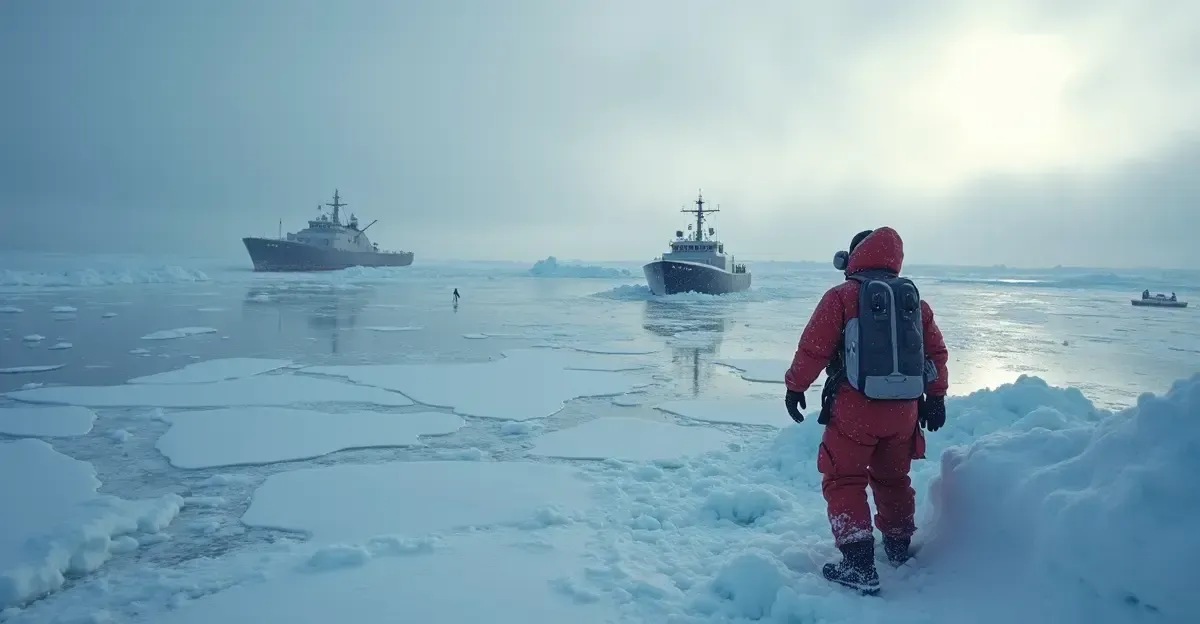
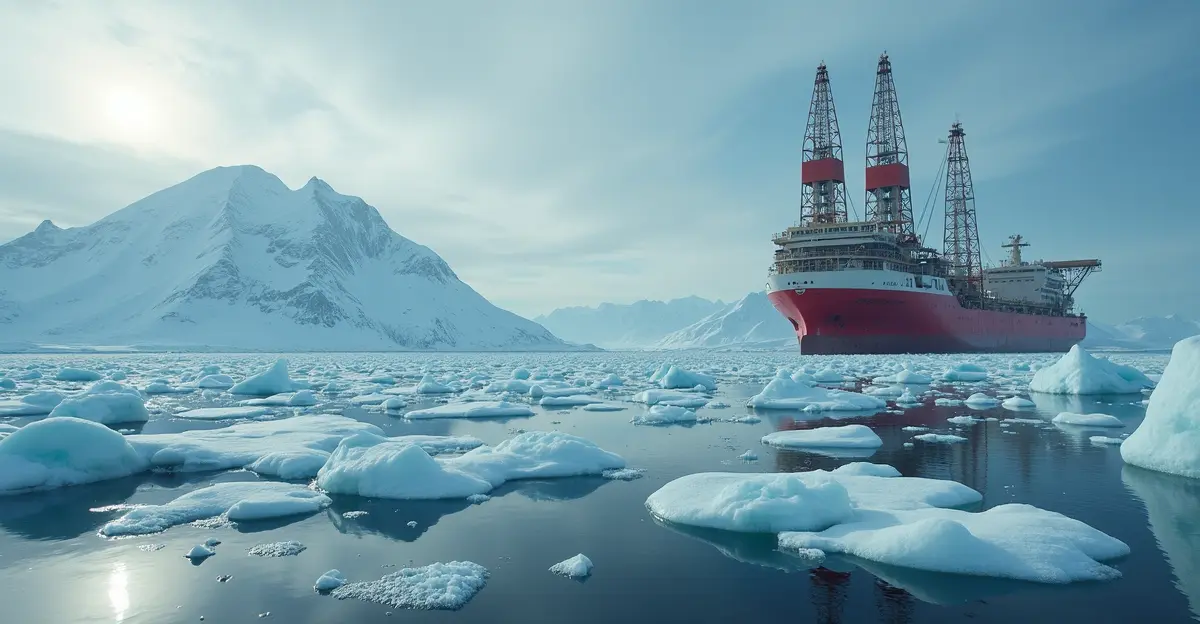
Launched on 11 February 2026, NATO Arctic Sentry has turned the High North into the most strategically dynamic theater of great-power competition. Forward Land Forces Finland followed on 6 June 2026, anchoring a deterrence arc from the GIUK gap to Russia's Northern Sea Route. Melting ice exposes 13% of undiscovered oil and 30% of natural gas, making the Arctic a contested frontier of military buildup, resource extraction and supply-chain security.
Why the Arctic Became the World's Newest Flashpoint in 2026
September 2025 Arctic sea ice averaged 4.2 million square kilometres, down from 6.7 million in the 1979–2000 period. The Northern Sea Route can cut Shanghai–Rotterdam transit by 10–15 days, while the USGS estimates 30% of undiscovered gas and 13% of oil plus rare earths. The Arctic Council remains fractured after seven members paused participation following Russia's 2022 invasion of Ukraine, leaving a regulatory grey zone. This governance vacuum has pushed the Arctic Council reform debate to the top of the 2026 agenda, even as the Greenland resource scramble intensifies competition for critical minerals.
Inside NATO's Arctic Sentry and Forward Land Forces Finland
Arctic Sentry coordinates intelligence, surveillance and reconnaissance across air, sea, land, cyber and space under Joint Force Command Norfolk. Sweden is sending Gripen jets to patrol Greenland, Germany contributes four Eurofighter Typhoons, and the mission focuses on the GIUK gap and critical infrastructure protection. On 6 June 2026, NATO established Forward Land Forces Finland in Boden, Sweden, led by framework nation Sweden, reinforcing the NATO northeastern flank. With Finland and Sweden's accession, seven of eight Arctic states are now NATO members, extending the alliance's contiguous northern border.
Russia's Fortress Arctic A2/AD Bubble
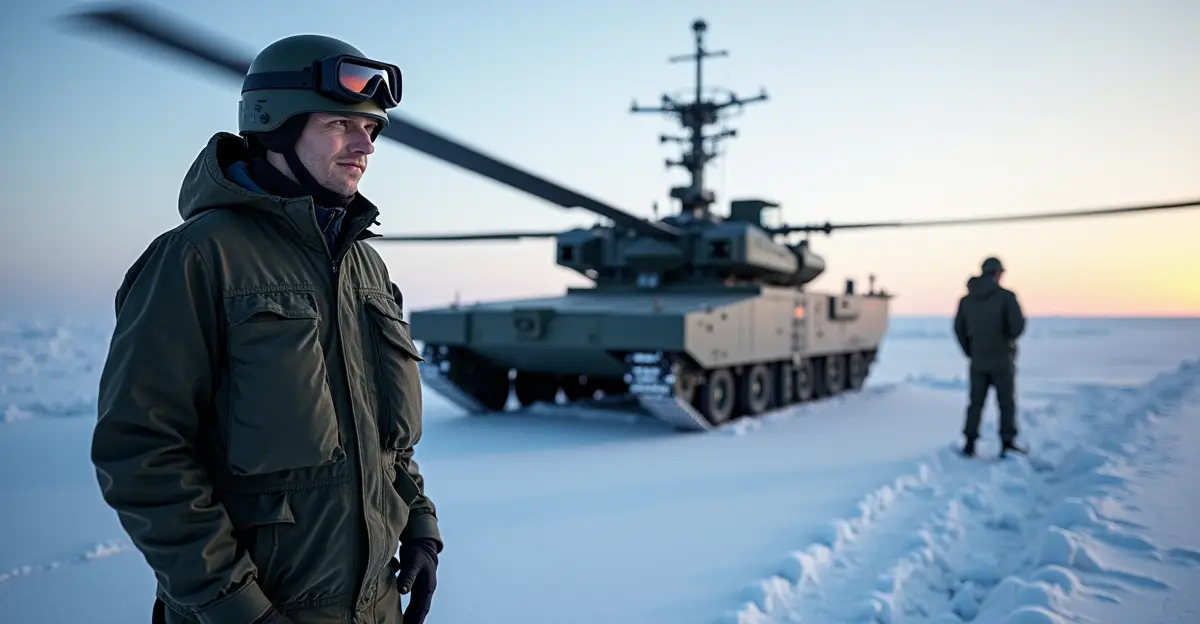
Russia has pursued a 'Fortress Arctic' posture, modernizing Soviet-era bases and deploying S-400 and Bastion-P anti-access/area-denial systems at Rogachevo and Nagurskoye. The Northern Fleet manages the Northern Sea Route as a permit-based gatekeeper backed by more than 40 icebreakers. In May 2026, Russia held a nuclear-forces exercise with 64,000 personnel and launched new Yasen-M submarines, calling NATO's presence a 'direct threat' along the Northern Sea Route security perimeter.
China's Polar Silk Road and Sanction-Proof Corridors
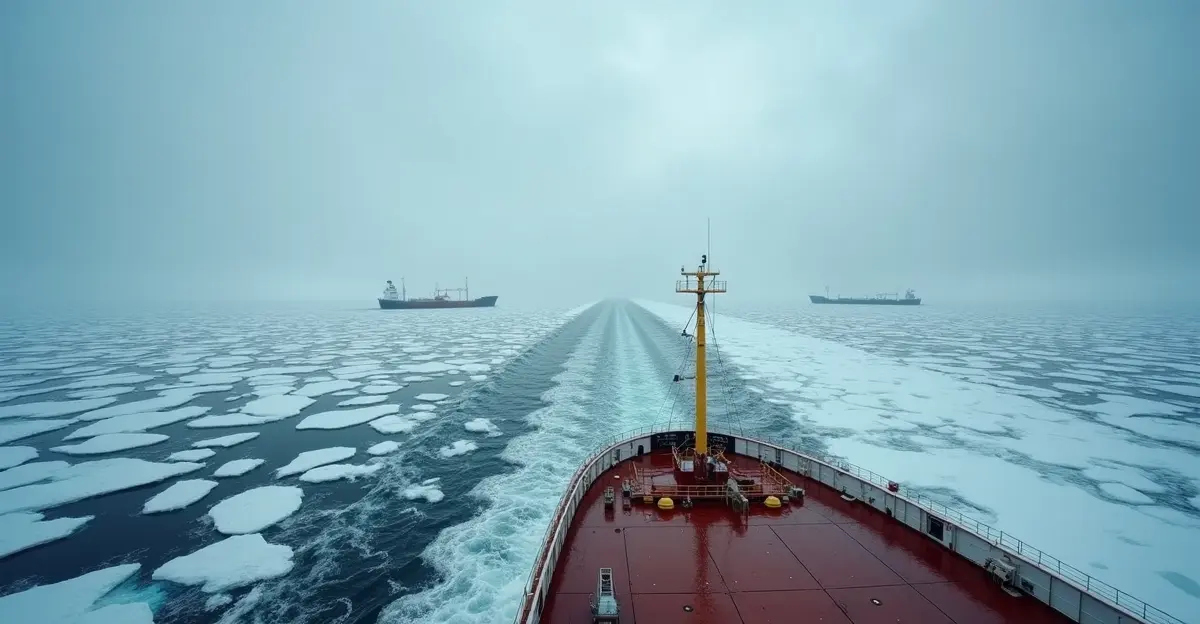
China's Polar Silk Road has deepened through Rosatom partnerships and a 5-billion-ruble logistics hub at Provideniya Bay. In September 2025, the Istanbul Bridge sailed from Ningbo-Zhoushan to Felixstowe via the NSR in 18 days versus 40 via Suez. Beijing treats the route as an addition, but its Polar Silk Road investments secure non-dollar hydrocarbon and critical-mineral links that bypass Malacca. Yamal LNG remains the flagship project, with NSR crude shipments rising in the first quarter of 2026.
Supply Chain Security and the Bifurcation of Polar Standards
The convergence of melting ice, resource extraction and military buildup is splitting the Arctic into two parallel systems: a Rosatom-led Sino-Russian NSR and a Western-led Northwest Passage. To counter the 'Icebreaker Gap,' the US, Canada and Finland have moved the ICE Pact into industrial execution on standardized hulls and Arctic-hardened ISR. CommandEleven forecasts a 2026–2030 'bifurcation of polar standards', with rising cyber-kinetic risks like signal spoofing.
- NSR: Rosatom-led, permit-based, 30–40% shorter Asia–Europe, seasonal ice.
- Northwest Passage: ICE Pact-supported, Western-led, less developed infrastructure.
- Cyber risk: signal spoofing and dual-use infrastructure vulnerabilities.
Deliberate war risk remains low, but incident risk is rising. This Arctic logistics race will decide whether the High North becomes a reliable trade artery or a militarized chokepoint.
FAQ: NATO Arctic Sentry and the 2026 Arctic Power Shift
What is NATO Arctic Sentry?
NATO Arctic Sentry is a multi-domain military mission launched on 11 February 2026 to boost allied presence, surveillance and deterrence in the Arctic and High North, focusing on the GIUK gap and critical infrastructure protection.
Why did NATO establish Forward Land Forces Finland?
Forward Land Forces Finland, activated on 6 June 2026, strengthens NATO's northeastern flank after Finland and Sweden joined the alliance, providing a permanent multinational land presence to deter Russian pressure.
How does Russia's Fortress Arctic posture work?
Russia combines S-400 and Bastion-P A2/AD systems, a modernized Northern Fleet and a permit-based Northern Sea Route to control access and project power across its Arctic coast.
What is China's Polar Silk Road?
The Polar Silk Road is China's Arctic maritime corridor, linking its Belt and Road Initiative to Russian Arctic energy and minerals and reducing dependence on the Malacca and Suez chokepoints.
Future Outlook
The Arctic is set to remain the most consequential strategic shift in the High North in decades. NATO's Arctic Sentry and Forward Land Forces Finland are institutional responses to a changing geography, but without renewed dialogue—through the Arctic Council or new formats—the region risks drifting from cooperative governance to competitive escalation. The 2026 inflection point will likely define Arctic security for a generation.

Follow Discussion