


 Deutsch
 English
 Español
 Français
 Nederlands
 Português


 Share





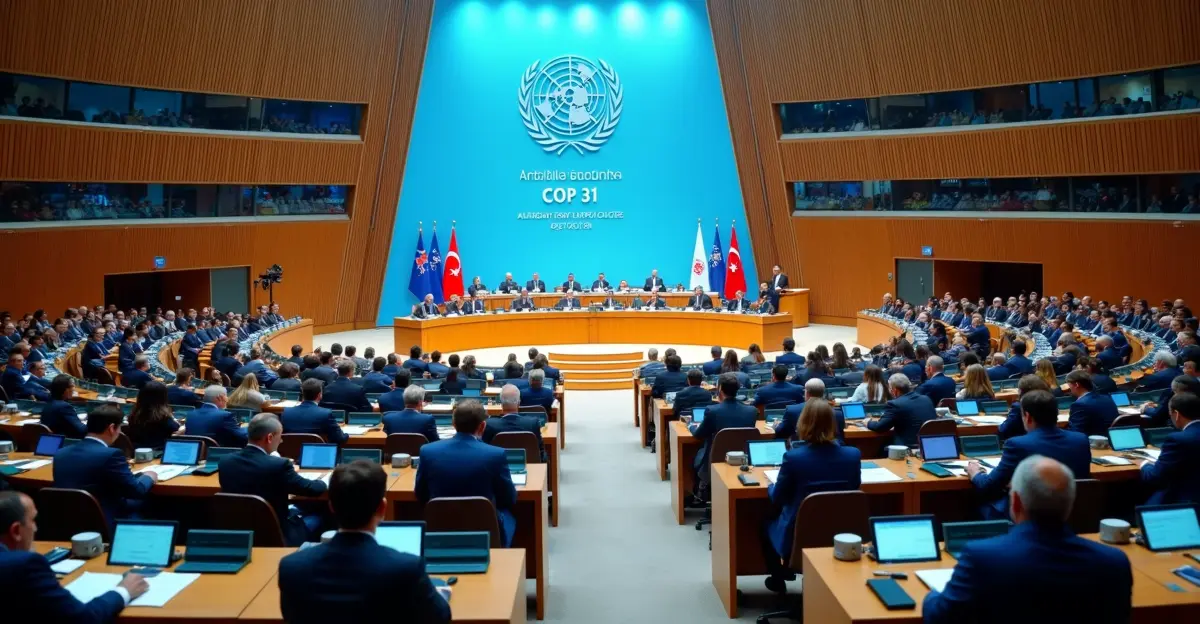
World leaders gathered in Antalya, Turkey, for the COP31 climate summit on 11 November 2026 voiced near-unanimous alarm over accelerating global heating, yet their speeches were repeatedly pulled off course by war, trade disputes and domestic politics. From Gaza to the Strait of Hormuz, geopolitical conflicts cast a long shadow over the United Nations climate conference, raising fresh doubts about whether the 1.5-degree goal can survive another year of diplomatic drift.
What Is COP31 and Why Does It Matter?
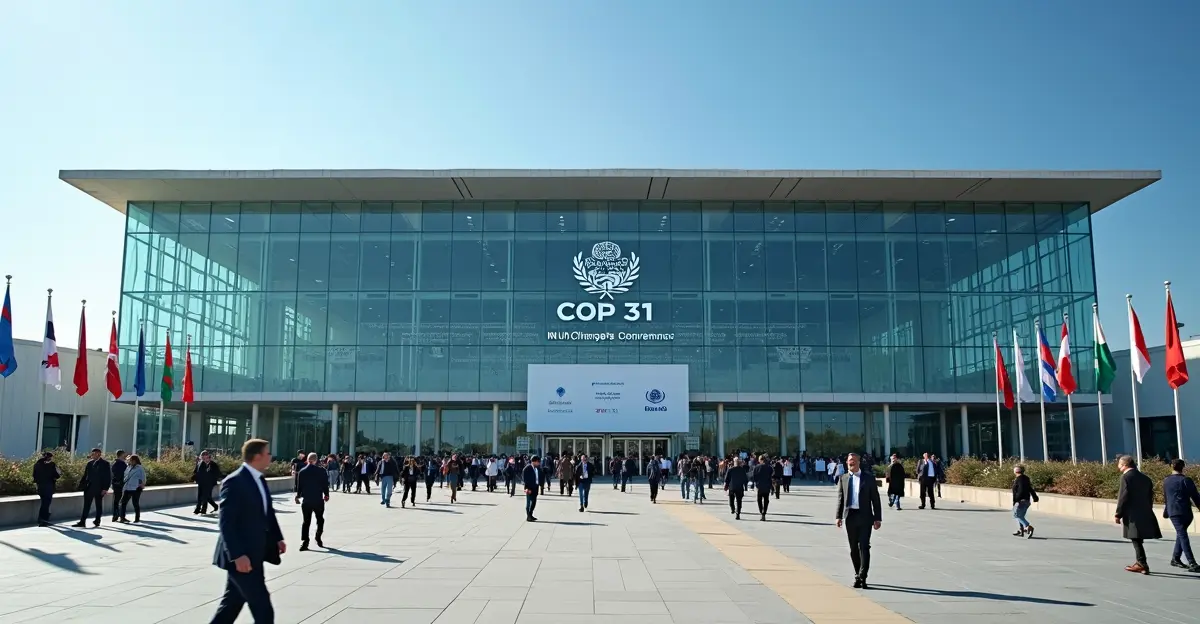
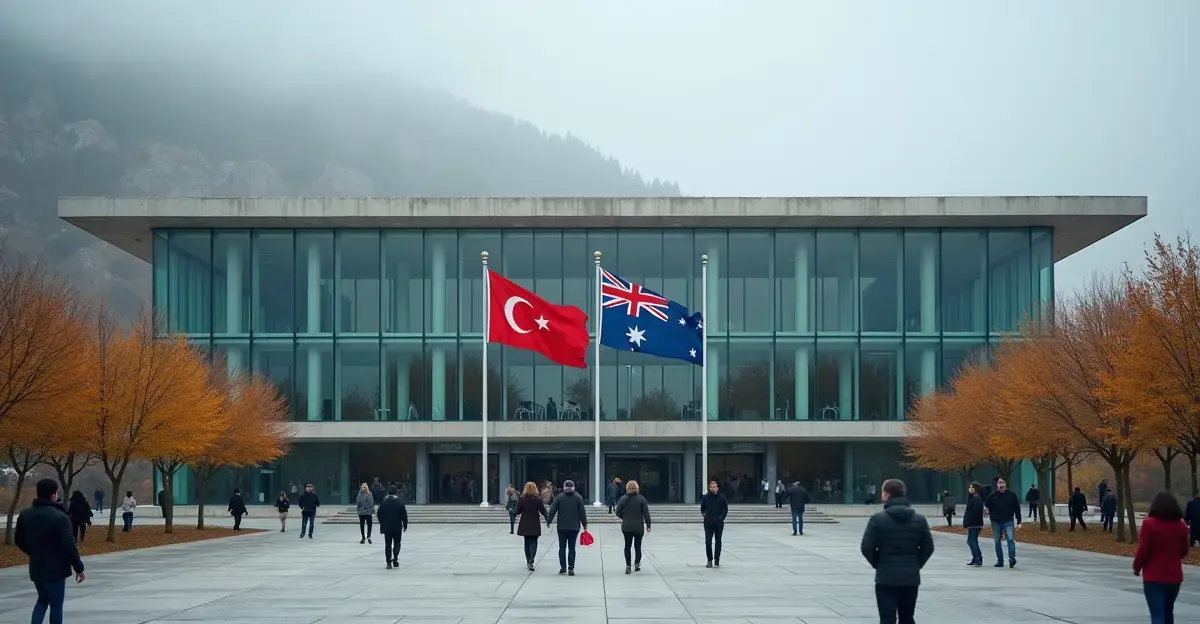
COP31, the 31st UN Climate Change Conference, is taking place at the Expo Center in Antalya from 9–20 November 2026, with nearly 200 countries and more than 90,000 delegates expected. Billed as an "Implementation COP" under the theme "From Göbeklitepe to the Global Net Zero Emissions Goal," it aims to turn existing climate pledges into concrete action rather than strike new landmark deals. The global climate finance negotiations remain the hardest unresolved issue, with developing nations demanding faster funding for adaptation and clean development.
Geopolitical Tensions Overshadow Climate Action
Lula Criticizes Absent World Leaders
Brazilian President Luiz Inácio Lula da Silva drew large crowds after winning re-election two weeks earlier against far-right rival Flavio Bolsonaro, a climate skeptic. Lula did not hide his frustration that several of the world's biggest emitters skipped the summit, including US President Donald Trump, Indian Prime Minister Narendra Modi and Chinese President Xi Jinping.
"Climate change has disappeared from the speeches and policy documents of world leaders," Lula said. "We talk more about weapons and trade tariffs than about the survival chances of future generations."
He added that war and inflation had made it harder to focus on the coming climate catastrophe, warning: "The planet cannot be left to the whims of geopolitical power struggles."
Erdogan, Von der Leyen and Pezeshkian Trade Blows
Host president Recep Tayyip Erdoğan spent part of his address on the war in Gaza, describing it as both genocide and ecocide. "Centuries-old olive trees have been destroyed, soil and water have been polluted, and cities have been razed to the ground," he said. Some leaders applauded; European Commission President Ursula von der Leyen did not.
Von der Leyen nevertheless kept geopolitics on stage, recalling a "summer of truth" of heatwaves and drought before pivoting to the Iran war and the closure of the Strait of Hormuz, which she said had driven energy prices sharply higher. Iranian President Masoud Pezeshkian spoke almost exclusively about the conflict, attacking Israel and the United States. "The environment is the silent victim of wars," he said, arguing peace is a prerequisite for environmental protection.
Stubb and Mottley Demand Multilateralism
Finnish President Alexander Stubb warned that while the 1.5-degree goal hangs by a thread, climate change risks being buried on the international agenda. "We cannot solve the climate crisis without multilateralism," he said. His appeal resonated with the poorest countries, which raised concerns over drought and flooding driven by climate change and El Niño. Barbados Prime Minister Mia Mottley summed up their position: "In case you had not noticed, the climate does not negotiate with geopolitics."
What Does This Mean for Global Climate Policy?
The split between geopolitical posturing and urgent climate demands underscores a growing risk: as conflicts over energy security and trade tariffs consume diplomatic bandwidth, the implementation agenda that COP31 was designed to advance could stall. UN climate chief Simon Stiell has already warned that progress is "nowhere near far enough or fair enough." Without coordinated follow-through on climate finance and emissions cuts, the 1.5 degree Celsius warming limit could slip permanently out of reach, leaving the most vulnerable nations to bear the cost of droughts, floods and heatwaves.
Frequently Asked Questions
Where is COP31 being held?
COP31 is being held at the Expo Center in Antalya, Türkiye, from 9 to 20 November 2026, with Australia co-chairing the formal negotiations.
Why did some world leaders skip COP31?
US President Donald Trump, Indian Prime Minister Narendra Modi and Chinese President Xi Jinping did not attend; Xi sent a representative. Dutch Prime Minister Jetten also stayed home due to a domestic tax plan dispute.
What is the 1.5-degree goal?
The 1.5-degree goal is the Paris Agreement target of limiting global warming to 1.5°C above pre-industrial levels to avoid the worst climate impacts. Scientists warn it is now hanging by a thread.
What did Lula say about absent leaders?
Brazilian President Lula said climate change had "disappeared" from world leaders' speeches and policy papers, and accused them of talking more about weapons and trade tariffs than future generations.
How are geopolitical conflicts affecting COP31?
The Gaza war, the Iran conflict and the Strait of Hormuz closure dominated several leaders' speeches, distracting from climate finance and implementation talks, according to delegates and observers.

Follow Discussion