


 Deutsch
 English
 Español
 Français
 Nederlands
 Português


 Share
Share




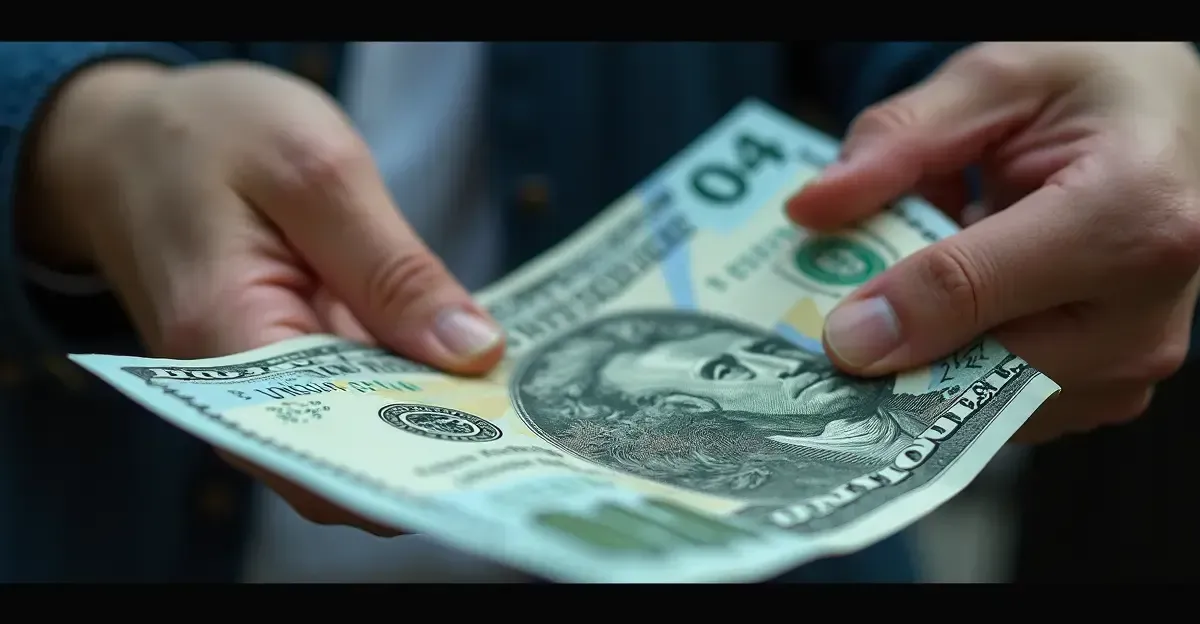
The quiet erosion of the petrodollar entered a decisive phase in early 2026, when Saudi Arabia let its 50-year oil-for-dollars arrangement lapse without renewal and began openly settling crude sales in yuan, euros, and other currencies. The petrodollar erosion is no longer theoretical: Riyadh's dollar settlement share has fallen from 95% in 2014 to roughly 80% today, while BRICS+ local-currency trade has surpassed 67% of intra-bloc transactions. The result is a measured but accelerating shift that is reshaping U.S. Treasury demand, Federal Reserve policy, and the architecture of global finance.
What Is the Petrodollar and Why Is It Eroding?
Born from the 1974 US-Saudi oil pact, the petrodollar system was an oil-for-security bargain: Saudi Arabia priced oil in dollars, recycled surpluses into U.S. Treasuries, and the United States provided military protection. That compact expired without renewal in early 2026, although the 1974 arrangement had no formal dollar-only clause. Still, the psychological and structural anchor it created is loosening. According to Lambdafin research, the system rests on three legs—pricing, settlement, and recycling—and settlement is fragmenting fastest after the 2022 freezing of Russian reserves.
Saudi Arabia's Multi-Currency Shift
The most visible change is in oil settlement. Saudi Arabia's dollar settlement share has slipped from about 95% in 2014 to roughly 80% today, according to market estimates. Riyadh settled its first digital-yuan oil trade in 2025 using CIPS and mBridge, and yuan-denominated Brent contracts reached roughly 24% of daily volumes by early 2026. The shift is not limited to China: the kingdom now accepts euros, yen, and rupees, and is reportedly exploring settlement with BRICS-aligned payment rails. The yuan-denominated oil contracts are a critical benchmark, because they create an alternative price signal outside the dollar system.
| Indicator | 2014/2000 | 2026 |
|---|---|---|
| Saudi dollar oil settlement share | 95% (2014) | ~80% |
| Yuan-denominated Brent share | ~0% | ~24% |
| BRICS+ local-currency trade | <20% | >67% |
| Dollar share of FX reserves | 71% (2000) | 56.3% |
BRICS Pay and the Gold-Backed 'Unit' Token
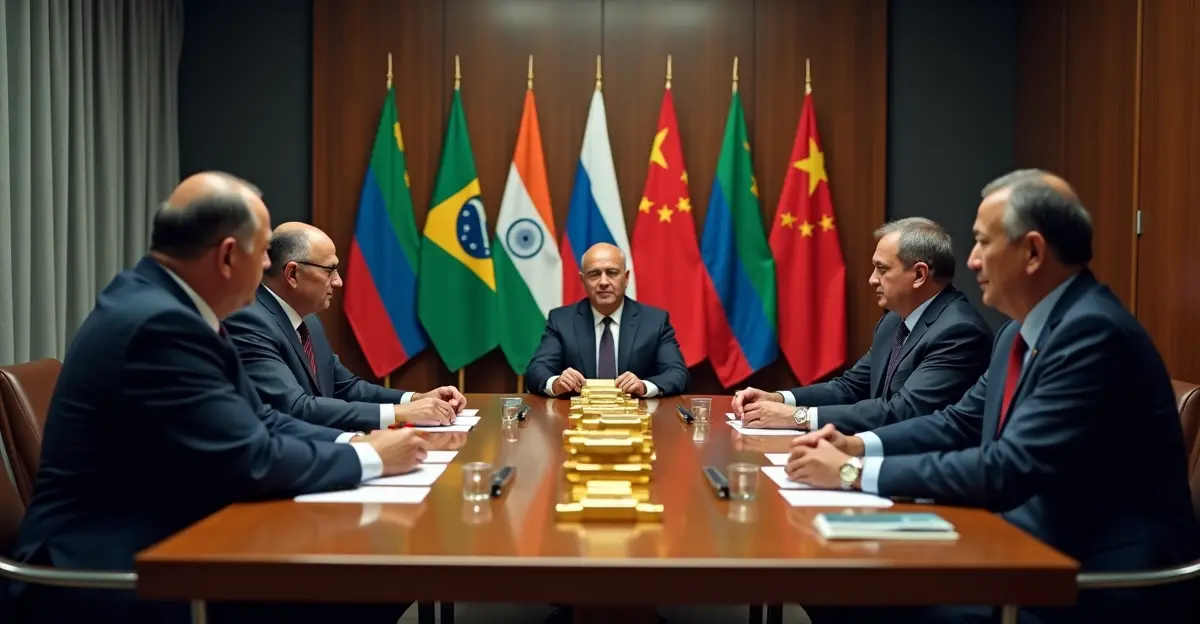
In early 2026, BRICS+ nations launched two parallel projects: BRICS Pay settlement rail and a gold-backed digital token called the Unit. The Unit is backed 40% by physical gold and 60% by a basket of five member currencies—Brazilian real, Chinese yuan, Indian rupee, Russian ruble, and South African rand—and runs on a permissioned Cardano-based blockchain. By March 2026, it was processing roughly $2.5 billion monthly, primarily in energy and commodity trade, with settlement in under 60 seconds. The BRICS Unit token Cardano is symbolic more than systemic for now, but it offers member states a way to settle without SWIFT and with lower transaction costs.
Systemic Implications: Treasury Demand and Fed Policy
The erosion matters because petrodollar recycling historically funneled oil export revenues into U.S. Treasuries, keeping yields low and financing U.S. deficits. As that loop weakens, Treasury demand softens and term premia rise, complicating Federal Reserve policy. The dollar's share of allocated reserves fell to 56.3% in early 2026, a three-decade low, while central banks bought a record 1,237 tonnes of gold in 2025. The resulting Treasury yield pressure 2026 could force the Fed to choose between higher interest rates to defend the dollar and a weaker currency that imports inflation. 'This is a multi-decade rebalancing, not a 2026 crisis,' one research note concluded, but the pressure is real.
What Comes Next: A Multipolar Financial Order
No single event will dethrone the dollar, which still handles 88% of global FX turnover and half of SWIFT payments. But the direction is clear. BRICS+ now represents over 40% of global GDP on a purchasing-power basis, and local-currency settlement has become the default for oil, metals, and food trade within the bloc. Washington has threatened tariffs of up to 100% on de-dollarizing nations, which could accelerate the shift rather than reverse it. The dollar reserve decline 2026 is likely to continue as Gulf sovereign wealth funds diversify into Asian and multi-currency assets.
FAQ: Petrodollar Erosion and Saudi Arabia's Shift
What is the petrodollar system?
It is the arrangement, formalized in 1974, in which oil was priced in U.S. dollars and export surpluses were recycled into U.S. Treasuries.
Has Saudi Arabia stopped using the dollar for oil?
No. Saudi Arabia still settles most oil in dollars, but its dollar share has fallen from 95% in 2014 to about 80%, with growing yuan, euro, and local-currency use.
What is BRICS' Unit token?
The Unit is a gold-backed digital settlement token, 40% gold and 60% a basket of BRICS currencies, running on a permissioned Cardano blockchain for intra-bloc trade.
Will the dollar collapse?
Most economists say no. The dollar still dominates 88% of FX turnover, but its reserve share and oil-settlement share are declining in a gradual, multipolar shift.
How does this affect U.S. interest rates?
Reduced petrodollar recycling can lower Treasury demand, raise yields, and narrow Fed policy options, though the impact is gradual.




Follow Discussion