


 Deutsch
 English
 Español
 Français
 Nederlands
 Português


 Share
Share




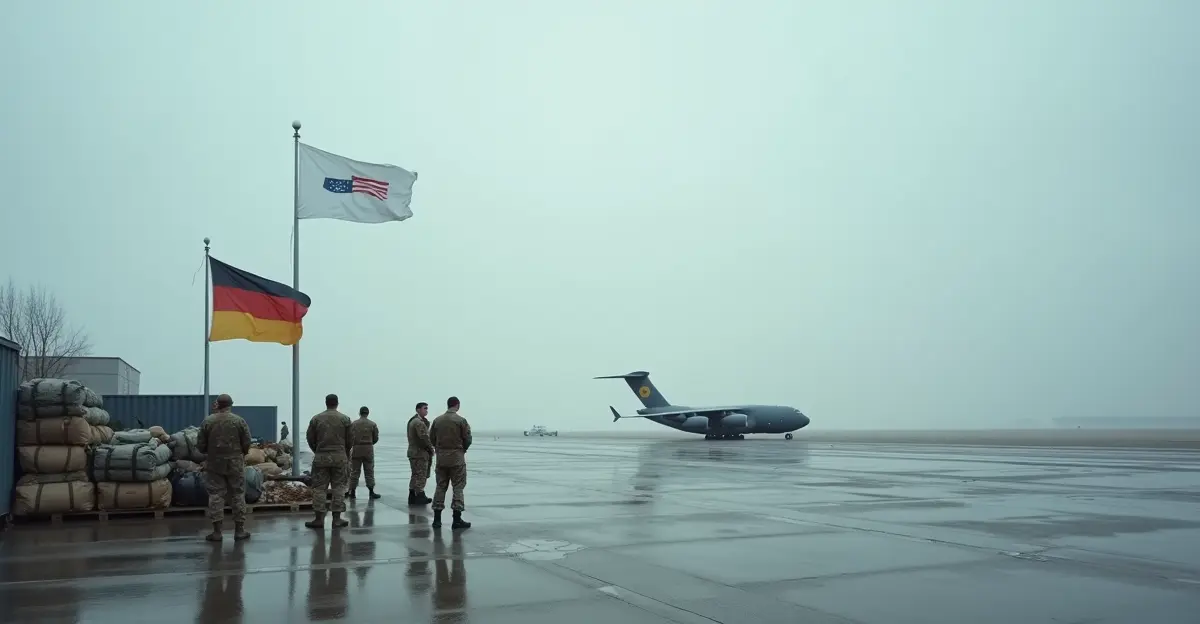
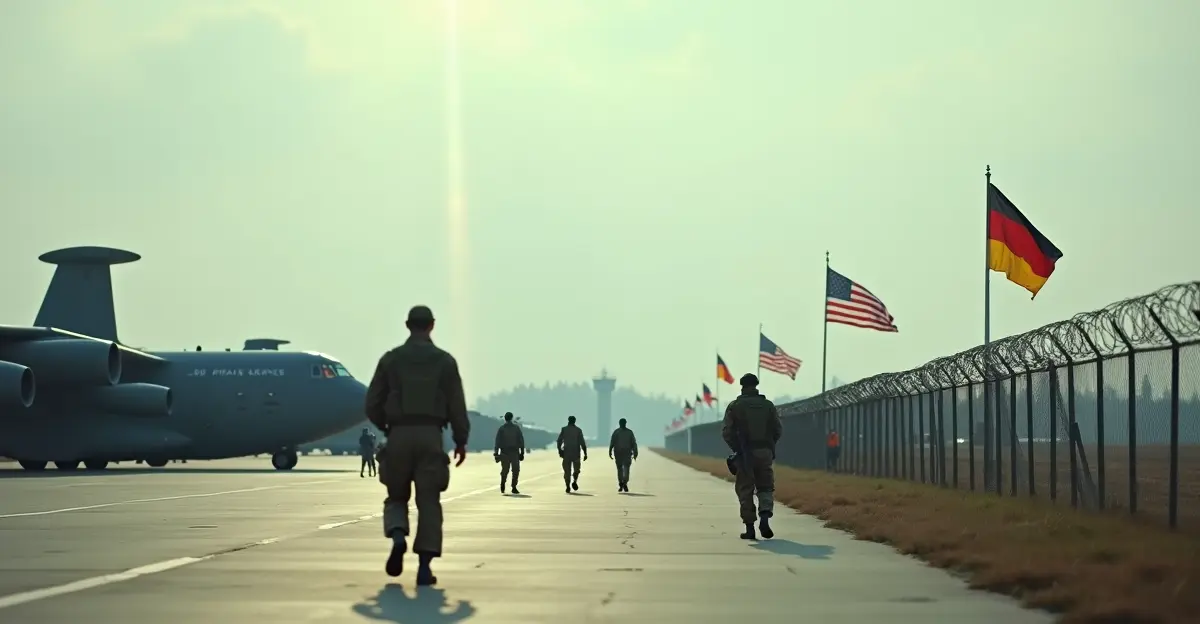
US troops leave Iraq after 23 years today, September 30, 2026, completing the full withdrawal of American forces from the country for the first time since the 2003 invasion. Iraq is marking the date as a national 'day of sovereignty,' but the departure leaves urgent questions about Iranian influence, militia disarmament, and the future of Kurdish allies.
Why are US troops leaving Iraq now?
The withdrawal follows a timetable set in September 2024, when President Joe Biden announced that the mission would end by 2026. The Trump administration has carried out the exit with little fanfare, even though ending 'endless wars' in the Middle East was a signature campaign promise. Trump once said, we can't keep spending billions to protect people who don't even like us. At the height of the Iraq war, about 170,000 American troops were stationed in Iraq. Washington pulled out in 2011, but returned in 2014 to lead Operation Inherent Resolve against Islamic State (IS), when roughly 5,200 US personnel were deployed.
By the final months, only a few hundred American troops remained. The two remaining US bases were repeatedly targeted by Iranian airstrikes in 2026, adding urgency to the pullout.
Key dates in the US-Iraq withdrawal
- 2003: US invades Iraq; troop levels later peak near 170,000.
- 2011: First full US withdrawal under President Obama.
- 2014: US returns with Operation Inherent Resolve to fight ISIS; about 5,200 personnel deployed.
- September 2024: President Biden sets September 30, 2026 as the final exit date.
- August 2025: US forces leave Al-Asad Airbase.
- March 2026: NATO withdraws troops during the Iran war.
- September 30, 2026: Full US withdrawal completed; Iraq declares sovereignty day.
Iraq celebrates 'Day of Sovereignty'
Prime Minister Ali al-Zaidi's government has designated September 30 as Iraq's sovereignty day, saying the Iraqi army is ready to defend the country on its own. The milestone is widely popular, but officials acknowledge a difficult security transition lies ahead. The threat is real, warned Kurdistan Regional Government Prime Minister Masrur Barzani, according to regional reports, referring to the risk of renewed ISIS activity.
Iran-backed militias refuse to disarm
Under the US-Iraq agreement that enabled the withdrawal, Iran-backed militias in Iraq were supposed to hand over their weapons. Several groups have cooperated, but hardline factions such as Kataib Hezbollah and Harakat al-Nujaba have refused to disarm. Baghdad had asked Washington to extend the mission until summer 2027; that request was granted, but now Iraq must confront the militias without American military backing.
What the US exit means for regional security
Iran and its allied factions have described the American departure as a 'historic victory.' Analysts warn that removing the US counterweight may give Tehran freer rein over Iraqi security and political decisions. For ordinary Iraqis, the departure is also tinged with concern: Sunni tribal leaders in places like Fallujah fear a security vacuum, and Kurdish and Iraqi officials say lost US intelligence, drone and logistics support could allow ISIS sleeper cells to regroup.
The Kurdish autonomous region in northern Iraq faces particular uncertainty. Iraqi Kurdistan has been attacked more than a thousand times since the war began, and the area hosts many displaced Iranian dissidents. Washington previously provided financial and military support to Kurdish forces; leaders fear that support may now vanish, much as it did for the Kurdish-led SDF in Syria, which later struck a deal with Damascus and lost its autonomy.
FAQ: US troops leave Iraq after 23 years
When did US troops fully leave Iraq?
US forces completed their withdrawal on September 30, 2026, ending a 23-year military presence that began with the 2003 invasion.
Why is Iraq calling September 30 'Day of Sovereignty'?
Iraq's government declared the date a national holiday to mark the restoration of full sovereignty after the last American troops departed.
Will Iran-backed militias disarm after the US exit?
Not entirely. Some factions have begun the process, but hardline groups like Kataib Hezbollah and Harakat al-Nujaba have refused to give up their weapons.
What happens to US support for Kurdish forces?
Kurdish leaders fear financial and military support may be reduced, leaving the autonomous region exposed to Iranian attacks and ISIS threats, similar to what occurred in Syria.
Could ISIS return after the withdrawal?
Officials warn that without US intelligence, drones and logistics, Islamic State sleeper cells may have more room to regroup, although Iraq's army says it is prepared to maintain security.
Follow Discussion