


 Deutsch
 English
 Español
 Français
 Nederlands
 Português


 Share





Washington has cleared a major new arms package for Kyiv. On October 30, 2026, the US State Department approved the sale of 500 Patriot PAC-3 missiles to Ukraine for an estimated $2.1 billion, saying it would strengthen Ukraine's integrated air and missile defense against ongoing Russian aerial attacks. President Volodymyr Zelenskyy called the decision 'strong', but warned that the interceptors could take years to arrive—exactly the timeline Kyiv says it cannot afford. The approval follows weeks of US arms sales to Ukraine and renewed diplomatic contact between Washington and Kyiv.
What is the Patriot PAC-3 Missile?
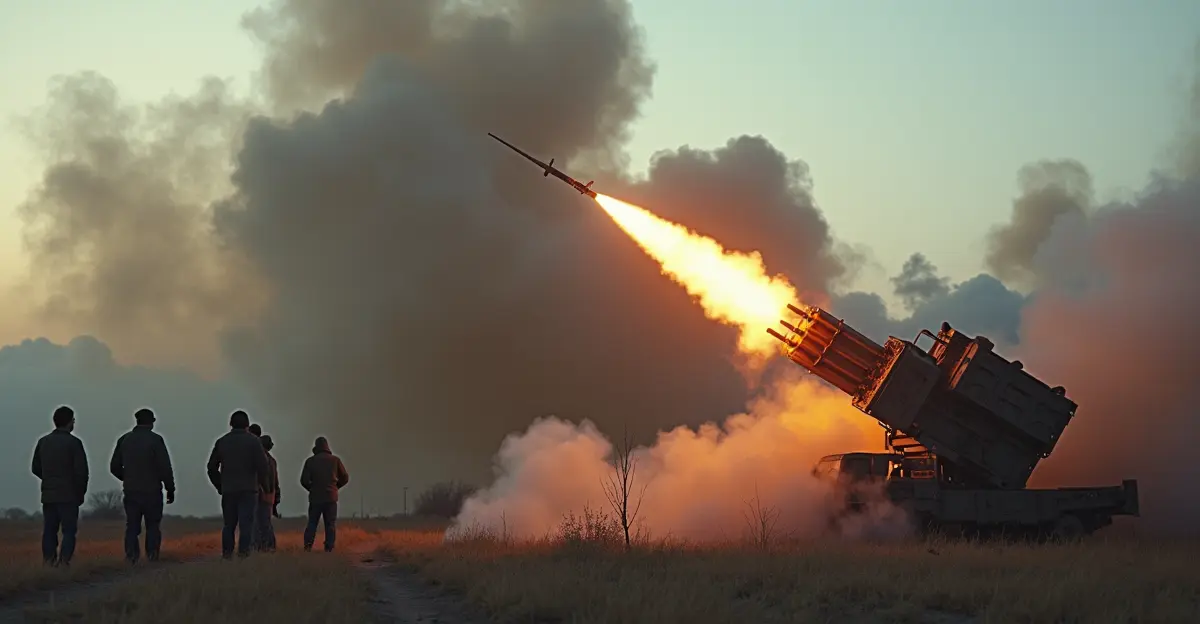
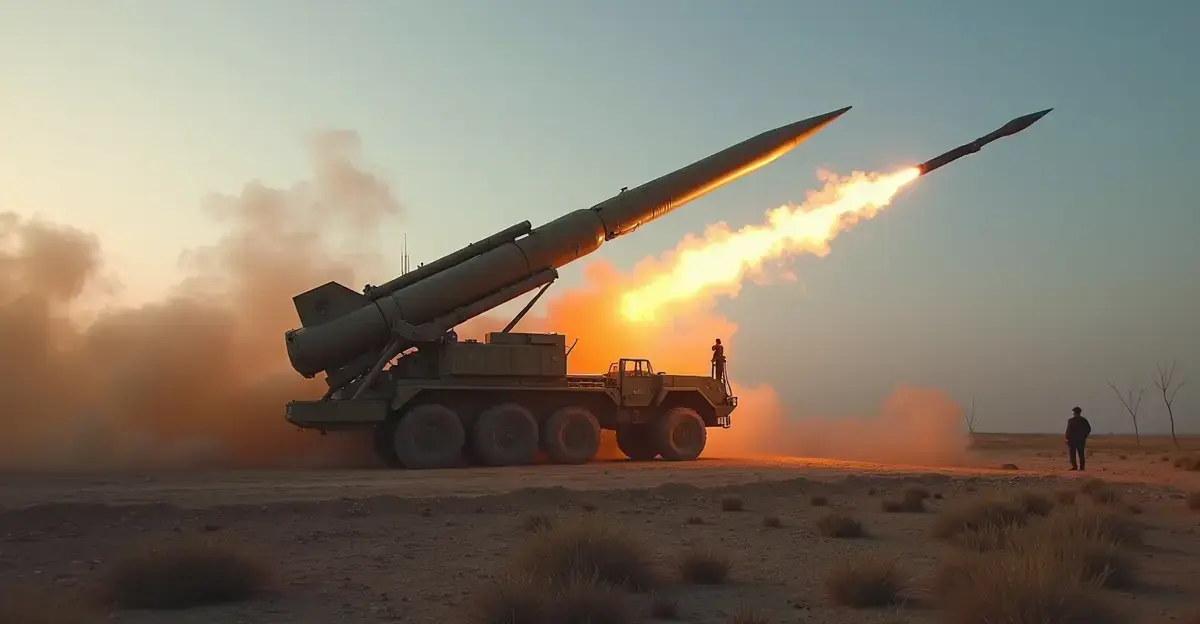
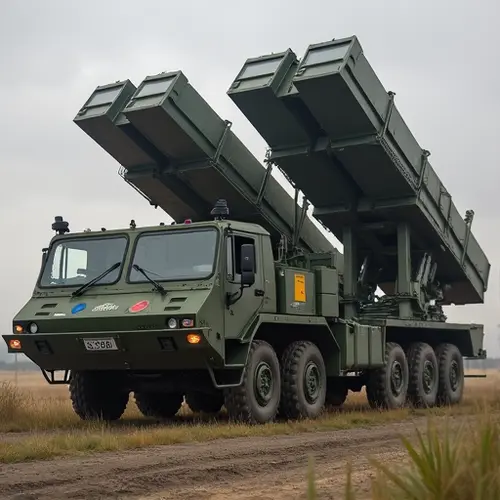
The Patriot PAC-3, or Patriot Advanced Capability-3, is a hit-to-kill interceptor designed to destroy tactical ballistic missiles, cruise missiles, and aircraft. It is a nearly total redesign of earlier Patriot interceptors, built from the outset for anti-ballistic missile missions. The MIM-104 Patriot system, manufactured by Raytheon and Lockheed Martin, has been used by Ukraine since 2023 to down Russian Su-34 and Su-35 fighters, Mi-8 helicopters, and Kinzhal ballistic missiles, according to the MIM-104 Patriot overview. The PAC-3 MSE variant in this sale is produced by Lockheed Martin in Bethesda, Maryland. Ukraine's integrated air and missile defense relies on such interceptors to protect cities and power grids.
Sale Details and Funding Breakdown
The proposed sale includes 500 Patriot Advanced Capability-3 (PAC-3) Missile Segment Enhancement (MSE) missiles, spare parts, and logistics support at an estimated cost of $2.1 billion. Notably, the package is funded entirely by partners and allies—Canada, Germany, and Norway through the JUMPSTART program, plus the EU's Ukraine Support Loan—with no US funds involved. Lockheed Martin is the principal contractor, and the State Department said it expects no adverse impact on US defense readiness. The Defense Security Cooperation Agency delivered the required certification on October 30, 2026, notifying Congress of the possible Foreign Military Sale.
| Funding source | Mechanism |
|---|---|
| Canada, Germany, Norway | JUMPSTART program |
| EU | Ukraine Support Loan |
| United States | No direct US funds |
Why Zelenskyy Warns Deliveries Could Take Years
Zelenskyy welcomed the approval but stressed a critical gap. He called the package 'strong' and warned that deliveries could take 'several years', because the order is for new production rather than existing stock. Industry estimates put current PAC-3 output at roughly 600 missiles per year, meaning the 500-missile order alone would consume most of a year's production before accounting for other customers. That timeline reflects broader bottlenecks in Western air-defense production capacity, where expanding factories, securing supply chains, and testing interceptors all take time. For Kyiv, the delay is not abstract: Russian ballistic missile attacks have intensified, and Ukraine's current Patriot ammunition stockpiles are under constant strain.
Impact on Ukraine's Air Defense
The approval lands as Ukraine faces sustained Russian missile and drone attacks. In the days before the announcement, Zelenskyy reported strikes that left 200,000 households without power in the Dnipro region and 80,000 in the Kyiv region. Patriot batteries have become a cornerstone of Ukraine's defense, intercepting Kinzhal ballistic missiles and protecting critical infrastructure. But Kyiv has repeatedly said existing systems and ammunition are insufficient, and every delay in new interceptors translates into more civilian casualties and energy blackouts. The sale underscores Washington's role in Ukraine missile defense support, even as the relationship between Zelenskyy and President Donald Trump has been tense. Talks in Oslo on October 20 helped ease friction, but the delivery timeline remains unresolved.
Expert Perspectives
The State Department said the proposed sale would 'improve Ukraine's integrated air and missile defense capabilities' and support the country's ability to defend against current and future threats. It also noted that the sale would not have an adverse impact on US defense readiness and that the principal contractor is Lockheed Martin in Bethesda, Maryland. Defense analysts note that while the approval is a clear political signal, the production pipeline remains the limiting factor.
FAQ: Patriot PAC-3 Missile Sale to Ukraine
How many Patriot PAC-3 missiles is the US selling to Ukraine?
The State Department approved a possible sale of 500 PAC-3 MSE interceptor missiles at an estimated cost of $2.1 billion.
When will Ukraine receive the Patriot PAC-3 missiles?
President Zelenskyy has warned that deliveries could take 'several years' because the order is for new production and current output is about 600 missiles annually.
Who is paying for the Patriot missile sale to Ukraine?
Canada, Germany, and Norway are funding the package through the JUMPSTART program, alongside the EU's Ukraine Support Loan; no direct US funds are involved.
Why does Ukraine need Patriot PAC-3 missiles urgently?
Ukraine needs stockpiles now to intercept Russian ballistic missiles and protect power infrastructure, with recent strikes cutting electricity to hundreds of thousands of households.
What is the difference between Patriot PAC-3 and earlier Patriot missiles?
The PAC-3 is a hit-to-kill interceptor designed from the outset for tactical ballistic missile defense, unlike earlier variants that were upgraded from anti-aircraft roles.
Conclusion and Future Outlook
The approval is a diplomatic and military signal, but the operational payoff depends on production speed. For Kyiv, the gap between a signed notification and a loaded launcher remains the central vulnerability. As NATO allies look to European air-defense procurement and the EU's Ukraine Support Loan expands, pressure will grow on Lockheed Martin and suppliers to accelerate PAC-3 output. Until then, Ukraine's defenders will have to make existing interceptors last, while Russian missile barrages continue to test the country's resilience.



Follow Discussion