


 Deutsch
 English
 Español
 Français
 Nederlands
 Português


 Share
Share




What is Ukraine's Iran War Concern?
Ukrainian President Volodymyr Zelensky has expressed serious concerns that the escalating US-Israel conflict with Iran could severely impact Ukraine's defense capabilities against Russia. In a March 2026 interview with Italy's Corriere della Sera, Zelensky warned that the Middle Eastern conflict could divert critical weapons supplies and international attention away from Ukraine's ongoing war effort. This comes as Ukraine faces renewed Russian offensives and depends heavily on Western military support, particularly American-made air defense systems like Patriot missiles that are now being deployed in the Gulf region.
Why Zelensky's Fears Are Justified
Former diplomat Ron Keller describes Zelensky's concerns as 'a justified fear' given Ukraine's heavy reliance on American weapons systems. Since Donald Trump's administration shifted funding policies, European nations have been financing weapons purchases, but the actual hardware still comes from US manufacturers. 'The weapons come from America and are now being deployed in the Middle East,' Keller explained. This creates a direct competition for limited military resources between two major conflict zones.
The Air Defense Dilemma
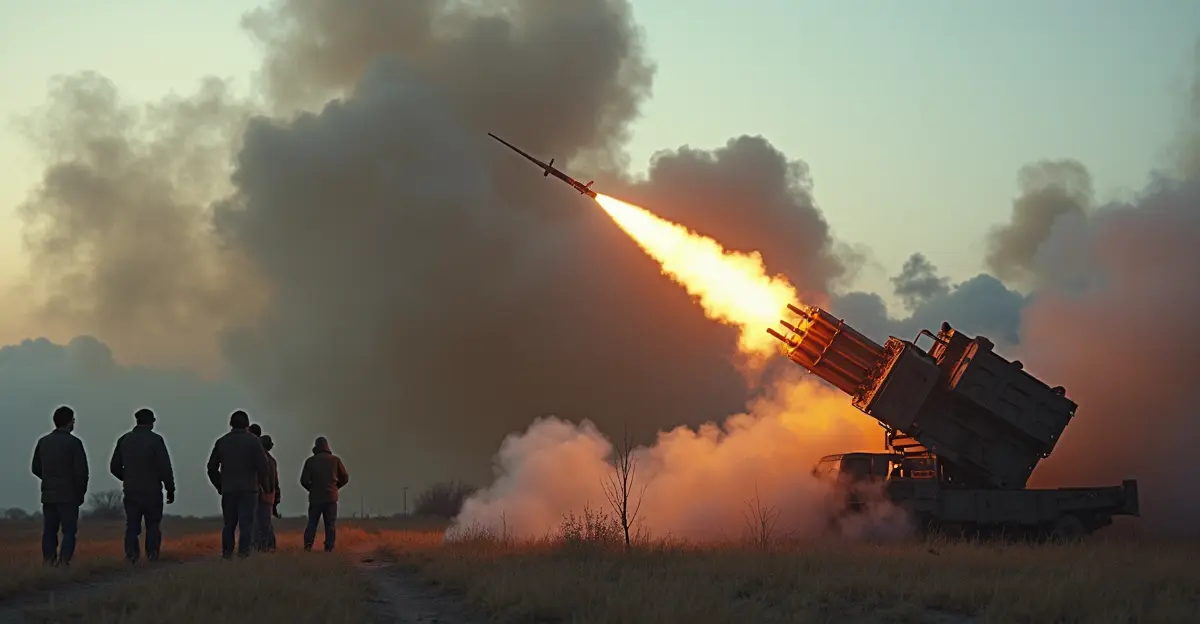
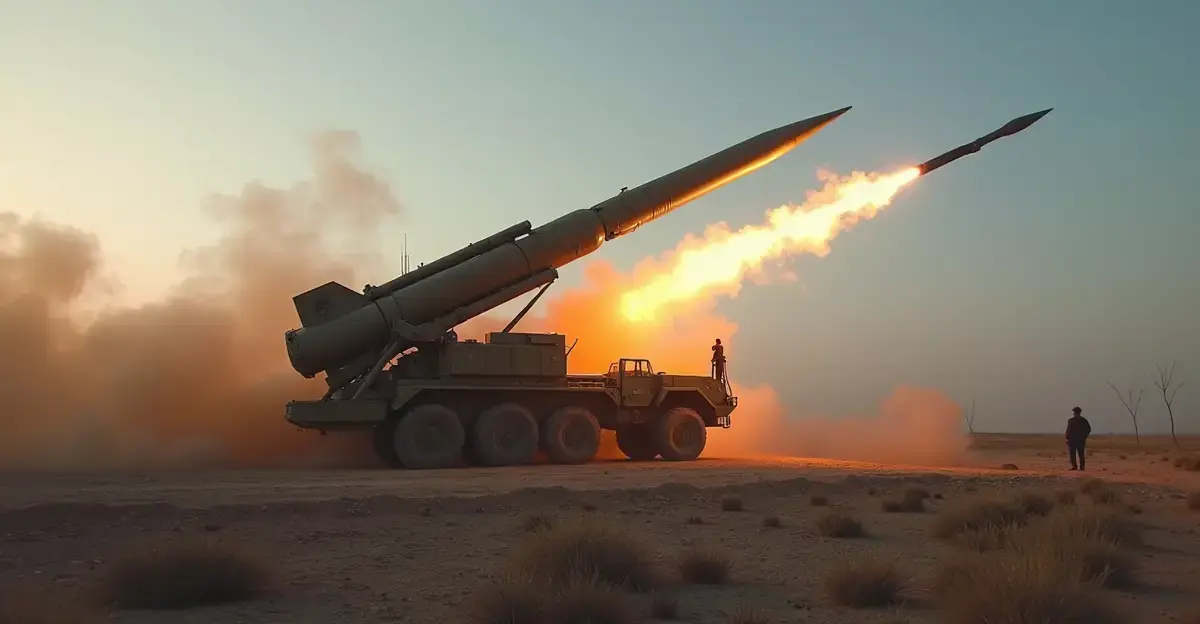
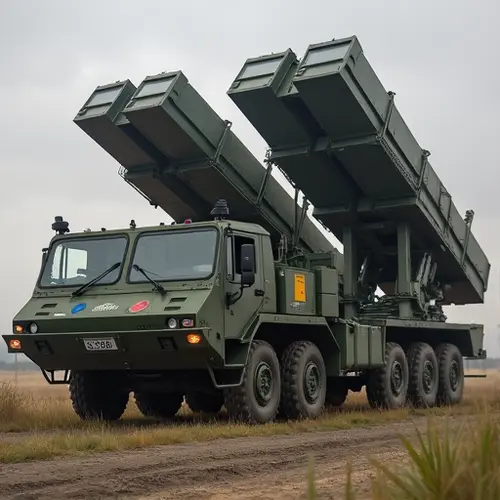
Defense specialist Patrick Bolder from The Hague Centre for Strategic Studies identifies air defense systems as the most critical concern. 'The Americans are deploying enormous amounts of air defense assets to neutralize Iranian drones and missiles,' Bolder stated. Gulf states are also using expensive Patriot missiles against relatively inexpensive Iranian drones, with each Patriot interceptor costing millions of dollars. If too many of these missiles are expended in the Iran conflict, Ukraine could find itself without adequate protection against Russian missile attacks.
The Russian military strategy in Ukraine has increasingly relied on mass missile and drone attacks targeting civilian infrastructure. Without sufficient air defense coverage, Ukraine would be vulnerable to devastating strikes that could undermine its military position and civilian morale. This represents what Bolder calls 'the great danger' - that Putin could freely deploy all his missiles and drones without Ukrainian countermeasures.
Iran-Russia Military Cooperation Dynamics
Initially, Russia depended heavily on Iran for Shahed drone supplies, but Moscow has since developed domestic production capabilities. 'Russia now builds these drones themselves,' Bolder noted, adding that these are precisely the targets Ukraine wants to intercept. The military cooperation agreement between Russia and Iran appears to have diminished significance currently, though the relationship remains strategically important for both nations.
The global weapons supply chain faces unprecedented strain as multiple conflicts demand limited production capacity. European leaders, including German Chancellor Friedrich Merz, have expressed concerns that Washington's focus on Middle East operations will strain supplies of American-made interceptors, cruise missiles, and precision munitions that Ukraine heavily depends on. Polish Defense Minister Wladyslaw Kosiniak-Kamysz warned that 'the center of gravity of interest is shifting to the Middle East.'
Strategic Implications and Global Response
The conflict creates several strategic risks for Ukraine beyond immediate weapons shortages:
- Higher oil prices: Conflict in the Middle East typically drives up global oil prices, potentially providing Russia with additional revenue to fund its war effort
- International attention shift: Ukraine risks becoming a 'forgotten war' as media and diplomatic focus moves to the Middle East
- Production bottlenecks: Defense manufacturers face challenges ramping up production to meet simultaneous demands from multiple theaters
- European responsibility: European nations must increase their defense production capabilities to compensate for potential US resource diversion
Retired General David Petraeus notes that while Iran's capacity to assist Russia has been reduced, the conflict creates strategic complications. Ukrainian officials are bracing for defense industry turbulence, with former deputy defense minister Kateryna Chernohorenko urging Ukrainian manufacturers to quickly secure critical components.
What This Means for Ukraine's Defense Strategy
Ukraine faces a complex strategic environment where success depends on multiple factors beyond battlefield performance. The country must navigate:
- Diversified supply chains: Developing alternative sources for critical military equipment beyond US systems
- Domestic production: Accelerating Ukraine's own defense manufacturing capabilities
- Diplomatic engagement: Maintaining international attention and support despite competing crises
- Resource allocation: Prioritizing defense needs against competing domestic requirements
The European security architecture faces its most significant test since World War II, with simultaneous conflicts in Europe and the Middle East straining collective defense capabilities. European Union officials have emphasized the need for increased defense spending and coordinated procurement to address these challenges.
Frequently Asked Questions
Why is Ukraine worried about the Iran conflict?
Ukraine depends heavily on American-made weapons, particularly air defense systems like Patriots, which are now being deployed in the Middle East. This creates competition for limited military resources and could leave Ukraine vulnerable to Russian missile attacks.
What weapons are most at risk of shortage?
Patriot missile interceptors are the primary concern, as they're expensive ($3-4 million each) and being used extensively against Iranian drones. Other critical systems include APKWS rockets for counter-drone operations and precision-guided munitions.
How has Russia's relationship with Iran changed?
While Russia initially depended on Iran for Shahed drones, it has developed domestic production capabilities. The military cooperation agreement between the two countries appears less significant currently, though strategic ties remain.
What can Europe do to help Ukraine?
European nations can increase defense spending, accelerate weapons production, develop alternative supply chains, and maintain diplomatic pressure to keep Ukraine's needs prioritized despite Middle East developments.
Could the Iran conflict benefit Ukraine in any way?
Some analysts suggest reduced Iranian weapons supplies to Russia and opportunities for Ukraine to demonstrate alliance with the US by supporting actions against Iran. However, most experts consider the risks outweigh potential benefits.
Follow Discussion