


 Deutsch
 English
 Español
 Français
 Nederlands
 Português


 Share
Share




Iran Attacks Kurdish Militias in Iraq: Complete Guide to March 2026 Escalation
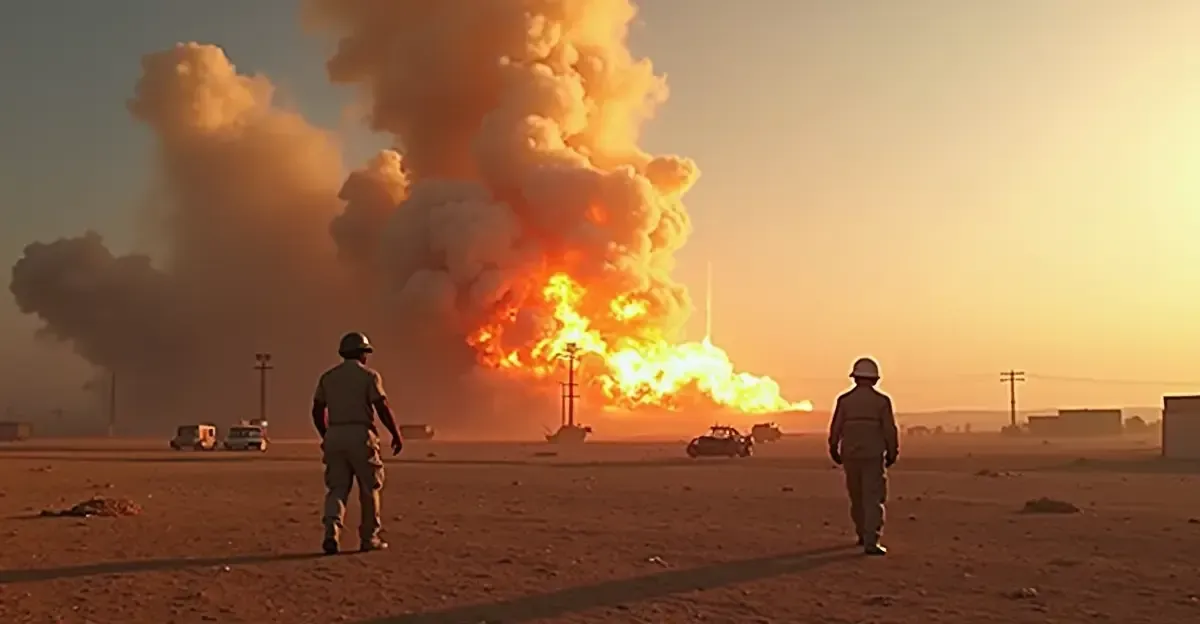
Iran has launched ballistic missile attacks against Kurdish militia headquarters in northern Iraq, marking a significant escalation in the ongoing Middle East conflict. The March 5, 2026 strikes targeted Iranian Kurdish opposition groups operating along the Iran-Iraq border, with Iran claiming these militias were planning cross-border operations. This development comes amid reports that the CIA is actively arming Kurdish forces to spark an uprising against the Iranian government, creating a dangerous new front in the regional war.
What Happened: Iran's Missile Strikes on Kurdish Bases
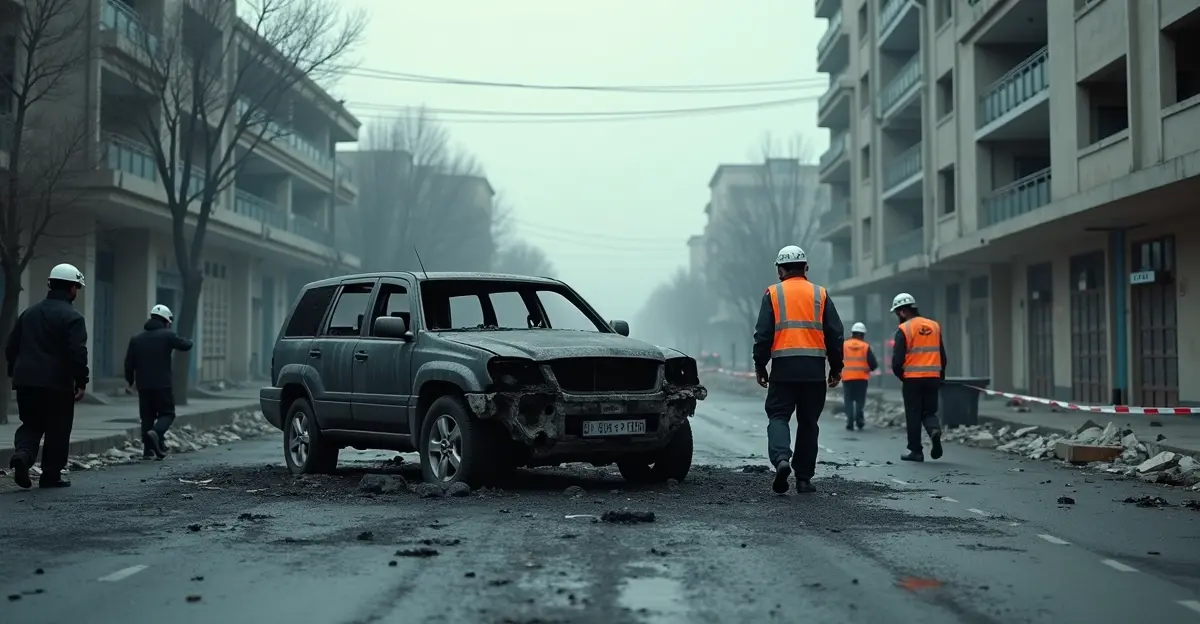
According to Iranian military statements, ballistic missiles struck Kurdish militia headquarters in northeastern Iraq on March 5, 2026. The attacks targeted what Iran calls "separatist groups" operating from Iraqi territory. BBC reports indicate at least one fatality and three injuries resulted from these strikes, with multiple Kurdish bases sustaining damage. The autonomous Kurdish regional government in northern Iraq has denied involvement in any plans to arm Kurdish fighters against Iran, but tensions continue to escalate.
The attacks represent Iran's response to what it claims were imminent cross-border operations by Kurdish militias. "Iran says it is fighting against separatist groups planning attacks on Iranian soil," reported military analysts monitoring the situation. This marks a significant expansion of the conflict beyond the initial US-Israel strikes on Iran that began in late February 2026.
US Involvement and CIA Arming of Kurdish Forces
Multiple intelligence sources confirm that the CIA has been actively discussing arming Kurdish forces to foment rebellion within Iran. According to CNN reports, the Trump administration has held talks with Iranian opposition groups and Kurdish leaders in Iraq about providing military support. The strategy aims to stretch Iranian military resources and create opportunities for popular uprisings against the Tehran regime.
Key developments in US involvement include:
- President Trump reportedly spoke with Kurdish leaders Mustafa Hijri, Masoud Barzani, and Bafel Talabani
- The CIA seeks to arm Kurdish forces operating along the Iran-Iraq border
- Kurdish militias would conduct ground operations in western Iran with US and Israeli support
- The plan aims to create chaos and enable anti-government protests in Iranian cities
However, White House spokespersons have denied direct presidential involvement in Kurdish uprising plans. "Reports that President Trump is behind a plan for a Kurdish rebellion in Iran are completely untrue," stated a White House representative on March 4, 2026.
Regional Implications and Turkey's Concerns
The escalation has raised serious concerns among neighboring countries, particularly Turkey. Ankara has historically opposed the arming of Kurdish militias, viewing them as threats to Turkish security. The Turkish Ministry of Defense confirmed it is closely monitoring PJAK (Party of Free Life of Kurdistan), the Iranian offshoot of the PKK terrorist organization.
Turkey faces multiple challenges from this development:
- Security threats from Kurdish militant groups along its borders
- Potential refugee influx from Iran through their 500-kilometer shared border
- Diplomatic complications as regional tensions escalate
- Balancing relations with both Western allies and regional partners
"Ankara has always reacted strongly to the arming of Kurdish militias," noted Gülsah Ercetin, Turkey correspondent. "The government sees this as a threat to Turkish security, given the 40-year conflict with the PKK that has claimed 40,000 lives."
Historical Context: Kurdish Resistance in Iran
The current conflict has deep historical roots. Kurdish populations in northwestern Iran have resisted central authority for decades, dating back to opposition against both the Shah and the Islamic Republic established after the 1979 revolution. Following the revolution, the Iranian military engaged in months-long battles with Kurdish rebels, destroying Kurdish cities and villages and killing thousands.
Today, the Kurdish autonomy movement continues to challenge Tehran's authority, with groups like PJAK operating illegally within Iran. The current US strategy appears to leverage this historical tension, similar to how previous administrations have worked with Middle Eastern opposition groups in regional conflicts.
Impact on Regional Stability
The March 2026 escalation creates several dangerous dynamics for Middle Eastern stability:
| Risk Factor | Potential Impact |
|---|---|
| Cross-border conflict expansion | Could draw Iraq, Turkey, and Syria into direct confrontation |
| Refugee crisis | Turkey fears repeat of Syrian refugee situation (4 million refugees) |
| Militia empowerment | Armed groups with little accountability gaining strength |
| Regional alliance shifts | Could strain US-Turkey relations and other partnerships |
Experts warn that arming Kurdish groups carries significant risks. "This could fuel domestic conflict in Iran, and Kurdish groups may not trust US support given Washington's history of abandoning allies," warned analyst Neil Quilliam in comments to Al Jazeera.
FAQ: Frequently Asked Questions
Why is Iran attacking Kurdish bases in Iraq?
Iran claims Kurdish militias were planning cross-border attacks from Iraqi territory. The strikes represent preemptive action against what Tehran calls "separatist groups" threatening Iranian security.
Is the US really arming Kurdish forces against Iran?
Multiple intelligence sources confirm CIA discussions about arming Kurdish groups, though the White House denies direct presidential involvement in plans for a Kurdish rebellion.
How does Turkey view these developments?
Turkey strongly opposes arming Kurdish militias due to security concerns related to the PKK. Ankara is monitoring the situation closely and fears refugee flows and regional destabilization.
What are the casualty figures from the March 5 attacks?
Initial reports indicate at least one fatality and three injuries from Iran's ballistic missile strikes on Kurdish bases in northeastern Iraq.
Could this lead to a wider regional war?
Yes, experts warn the escalation could draw multiple countries into conflict, particularly if cross-border operations intensify or refugee crises develop.

Follow Discussion