


 Deutsch
 English
 Español
 Français
 Nederlands
 Português


 Share





What Happened: Escalation on October 13, 2026
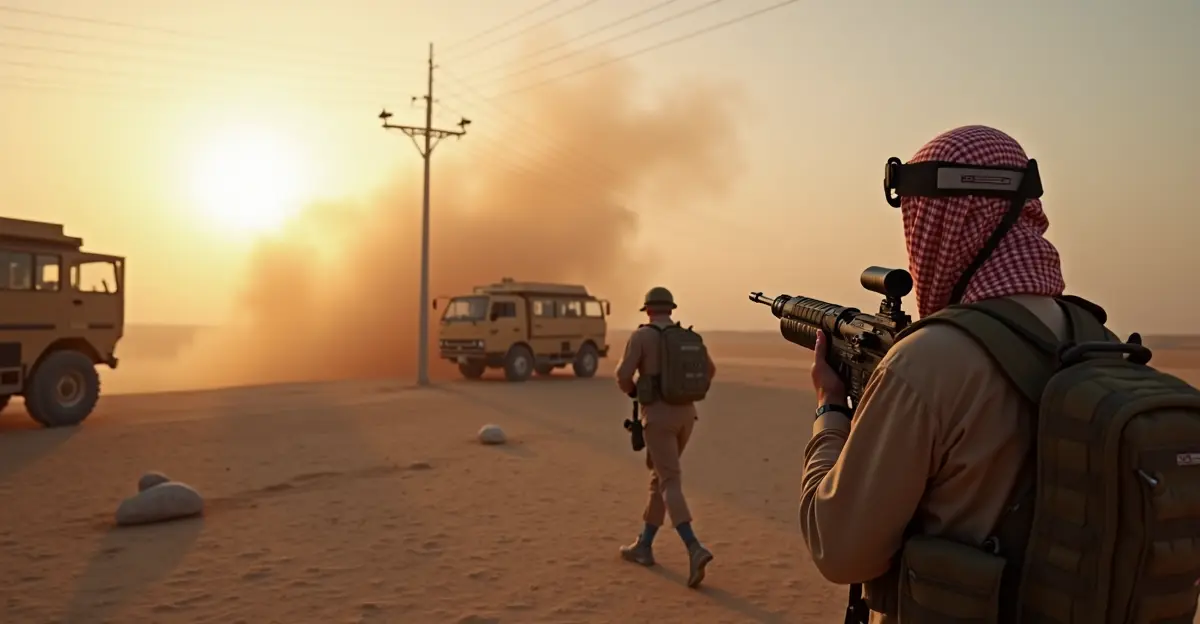
On Tuesday, October 13, 2026, the Saudi-led coalition struck a strategic fuel depot near Sanaa, Yemen's Houthi-controlled capital, after warning civilians to evacuate the target area. The Central Sabaha oil depot on Sanaa's western edge was hit, with Yemen's Oil Company saying the tanks were empty. Hours later, Riyadh said it intercepted missiles launched toward Dhahran, the location of Saudi Aramco's headquarters, with fragments falling on a residential area. The exchange marked a fresh escalation between Saudi-led forces and the Iran-backed Houthis, threatening oil infrastructure and regional energy security.
Context: Saudi-Houthi Conflict and Oil Infrastructure
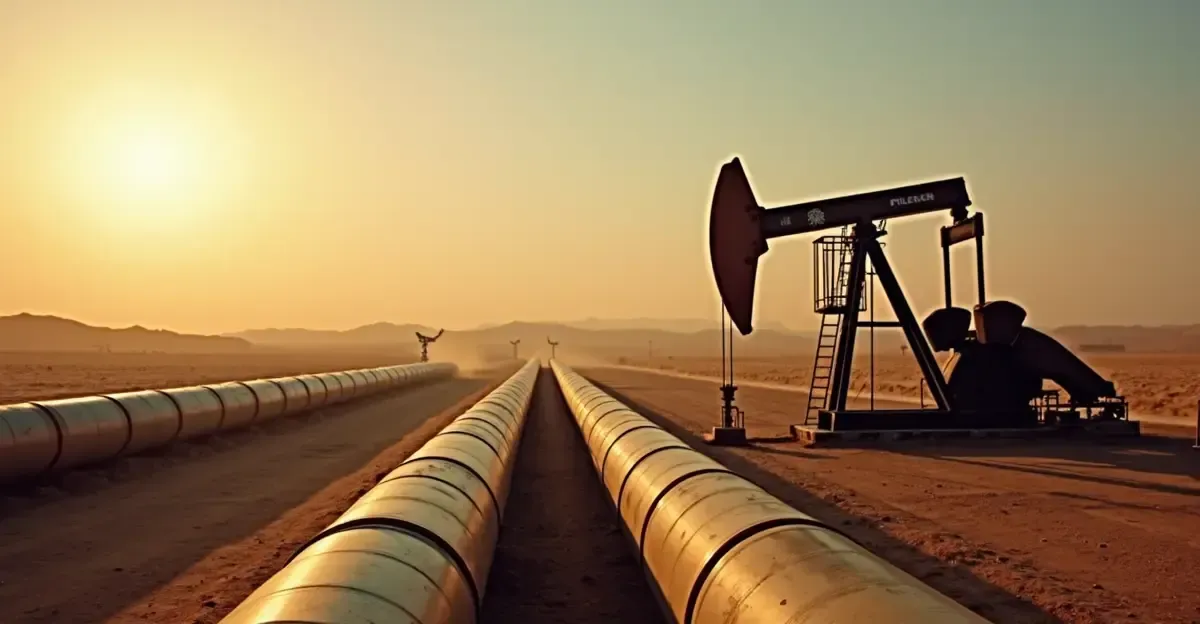
Since 2015, Saudi Arabia has led a coalition intervening in Yemen's civil war against the Houthis. The Saudi-led intervention in Yemen has repeatedly targeted Houthi-controlled ports and fuel storage, while the Houthis have launched missile and drone attacks on Saudi airports, oil facilities, and Aramco sites. This latest round follows a Houthi attack on Riyadh's King Khalid International Airport on Saturday that killed 13 people and injured 300, closing the airport until at least Saturday. Analysts note that Houthi drone attacks on Saudi Arabia are becoming harder to detect, raising the stakes for energy markets.
Missile Attack on Aramco HQ in Dhahran
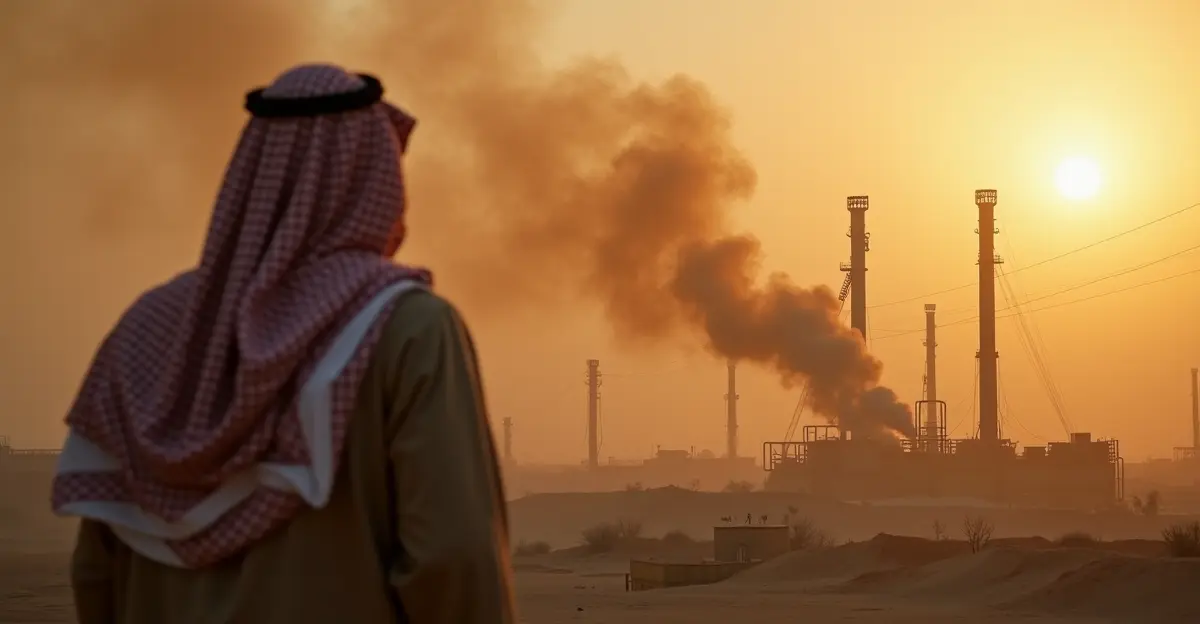
Riyadh confirmed that its air defenses intercepted projectiles aimed at Dhahran on Tuesday, with shrapnel falling in a residential area. The Saudi energy ministry said a Houthi missile struck an Aramco building in Dhahran overnight, causing a 'limited fire' with no injuries. Reuters reported damage to an office tower across floors six to ten, while Financial Post said about three floors were damaged and employees told to work from home. Oil production was unaffected. Brent crude traded at or above $100 a barrel amid the attacks, according to market reports. 'The strikes directly threaten oil infrastructure and regional energy security,' an energy analyst said.
Houthi Response and Escalation
A Houthi spokesperson declared Aramco facilities in Riyadh and Dhahran legitimate targets and urged evacuations. The group also targeted Riyadh's airport and oil facilities. The Saudi cabinet warned the Houthis would 'bear the consequences.' The IMF's Kristalina Georgieva warned of potentially negative global spillovers from the conflict.
Impact: Energy Markets and Regional Security
The strikes come at a time of already heightened Middle East tensions. Brent crude oil prices 2026 remained above $100 a barrel as traders assessed supply risks. Saudi stocks fell and Riyadh flights were halted. The conflict also intersects with Iran attacks on Strait of Hormuz, threatening global oil supplies. The Houthi advance along Yemen's western coast could give the group control over the geostrategic Bab el-Mandeb strait, further endangering shipping lanes.
Expert Perspectives
Analysts note that Houthi drones are becoming harder to detect as fighting escalates around Taiz and Bab el-Mandeb. 'The situation is spiraling into a full-blown energy security crisis,' a regional security expert said. The Saudi-led coalition's strikes on fuel depots aim to degrade Houthi logistics, but they also risk worsening the Yemen humanitarian crisis.
Frequently Asked Questions
Why did Saudi Arabia strike Yemen fuel depots?
Saudi Arabia struck the Central Sabaha fuel depot near Sanaa after the Houthis attacked Riyadh's airport and launched missiles toward Aramco's Dhahran headquarters, saying the depot supported Houthi military operations.
Was the Aramco headquarters damaged?
Yes. A Houthi missile struck an Aramco building in Dhahran, causing a limited fire and damaging several floors of an office tower. There were no reported casualties, and oil production was unaffected.
Where is Dhahran and why is it important?
Dhahran is in eastern Saudi Arabia and hosts Saudi Aramco's headquarters, the world's largest oil company. It is a key center for Saudi oil production and energy infrastructure.
How did oil prices react?
Brent crude traded at or above $100 a barrel amid the attacks, reflecting concerns about supply disruptions in the world's largest oil-exporting region.
What are the Houthis' goals?
The Iran-backed Houthis have vowed further attacks on Saudi airports and oil facilities, framing them as retaliation for Saudi-led airstrikes and seeking leverage in the wider regional conflict.
Conclusion: A Dangerous Escalation
With both sides vowing to continue, the Saudi-Houthi conflict is entering a more dangerous phase that directly threatens global oil supplies and regional stability. The coming days will be critical for energy markets and diplomatic efforts.



Follow Discussion