


 Deutsch
 English
 Español
 Français
 Nederlands
 Português


 Share
Share




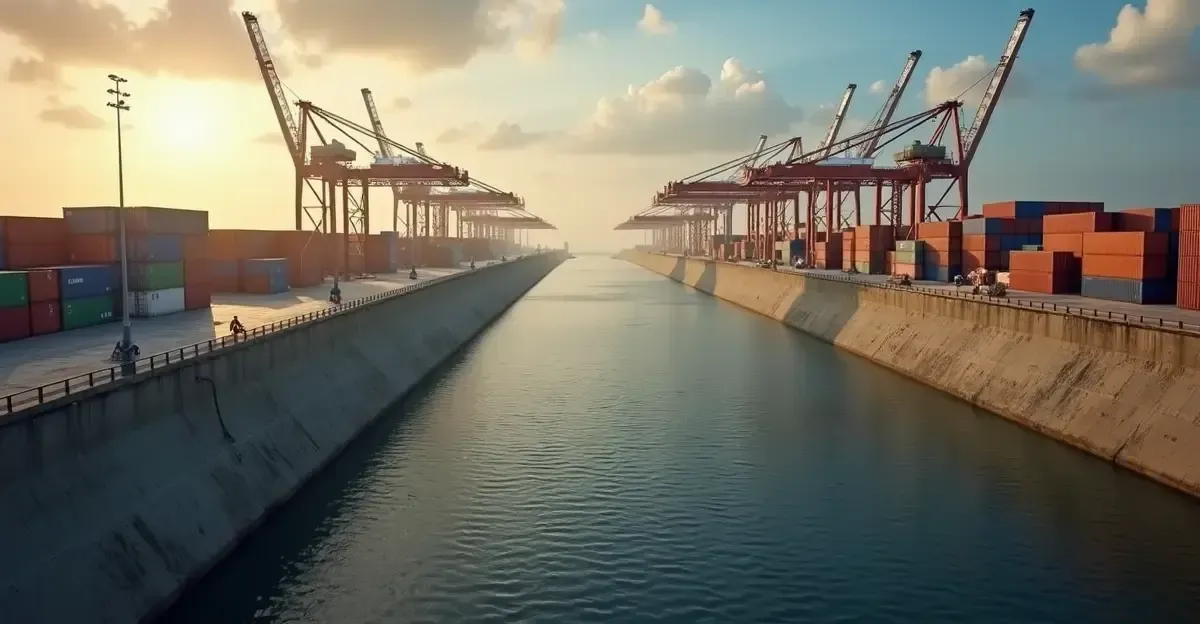
In 2026, the simultaneous Suez Canal and Panama Canal crises have become the defining shock to global commerce, with Asia-Europe container shipping rates more than doubling and Panama Canal transits slashed from 23 to 14 daily slots. As UNCTAD warns of a 280% surge in container rates above 2020 baselines, the world's two most vital maritime arteries are forcing a fundamental rewire of trade networks.
What Is Driving the Dual Canal Crisis in 2026?
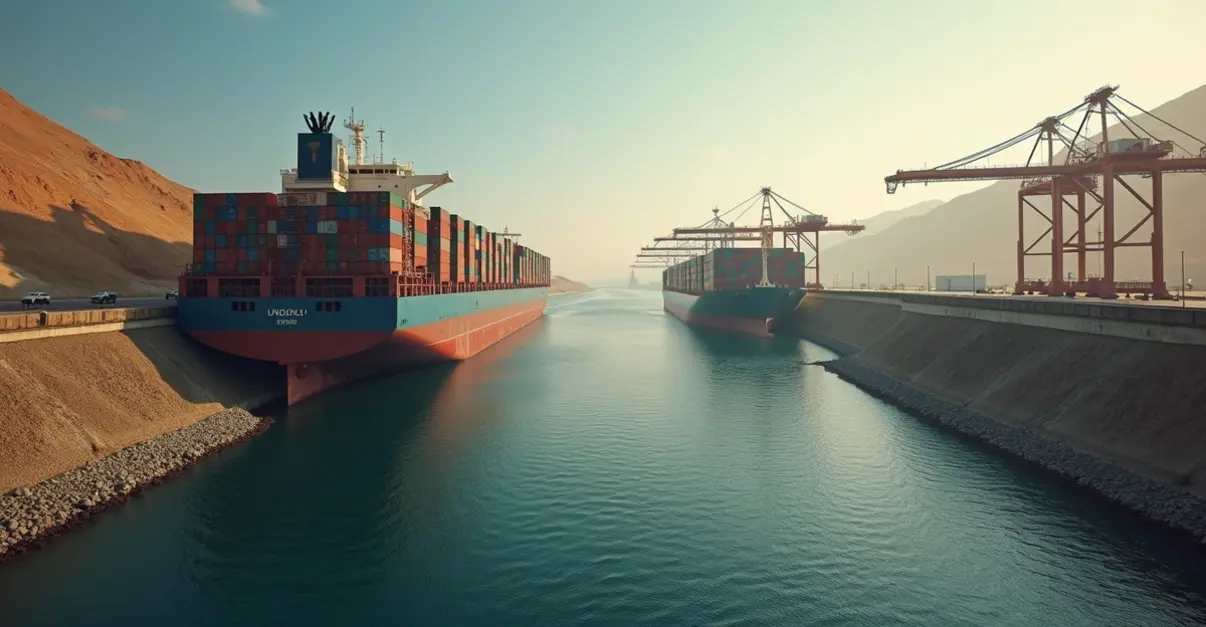
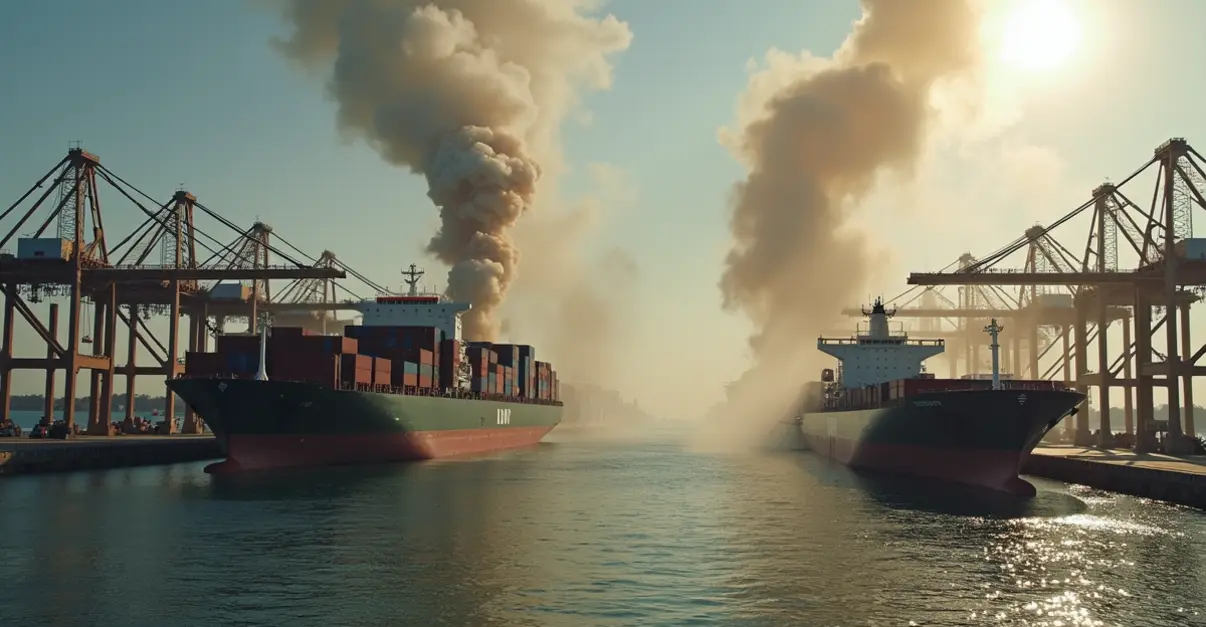
The Suez Canal, a 193-km waterway handling roughly 12% of global trade, is compromised by Red Sea shipping security threats as Houthi attacks continue to target commercial vessels. According to Worldwide Logistics shipping updates, authorities rate the southern Red Sea and Bab el-Mandeb threat as substantial, and a broad Suez return remains uncertain. Meanwhile, the Panama Canal faces a climate-driven drought: rainfall from May to August ran 34% below average, and watershed inflows fell 44% below normal, prompting daily transit cuts from 23 to 14 slots. This dual squeeze on maritime chokepoints has no historical precedent.
How Rerouting Is Reshaping Global Shipping Costs
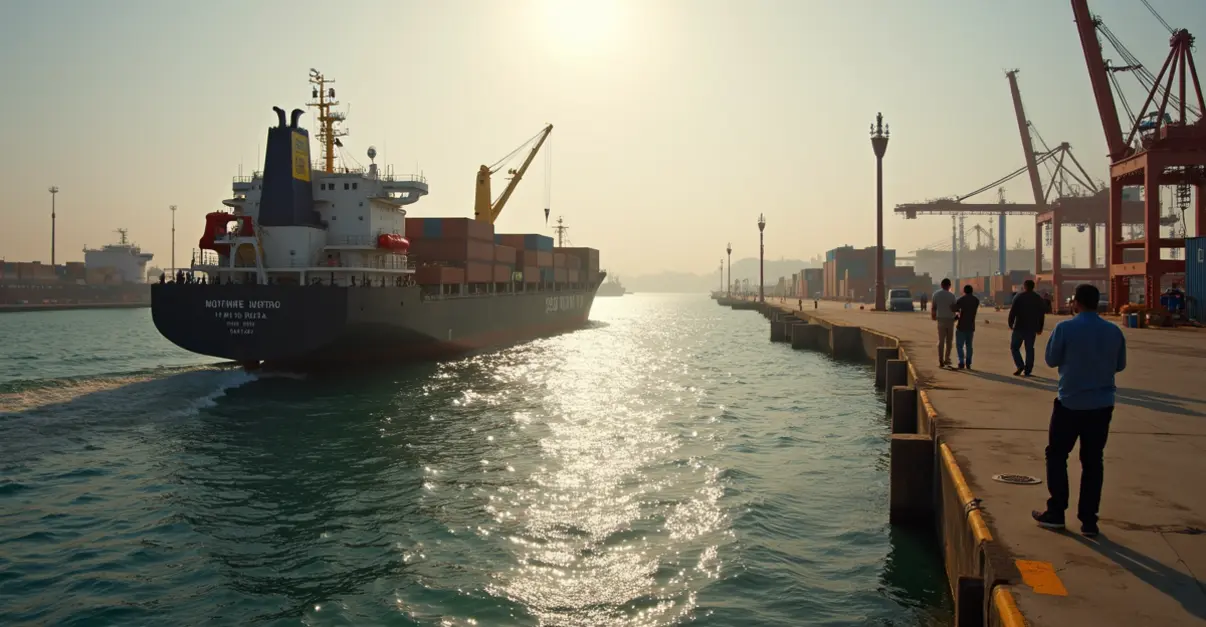
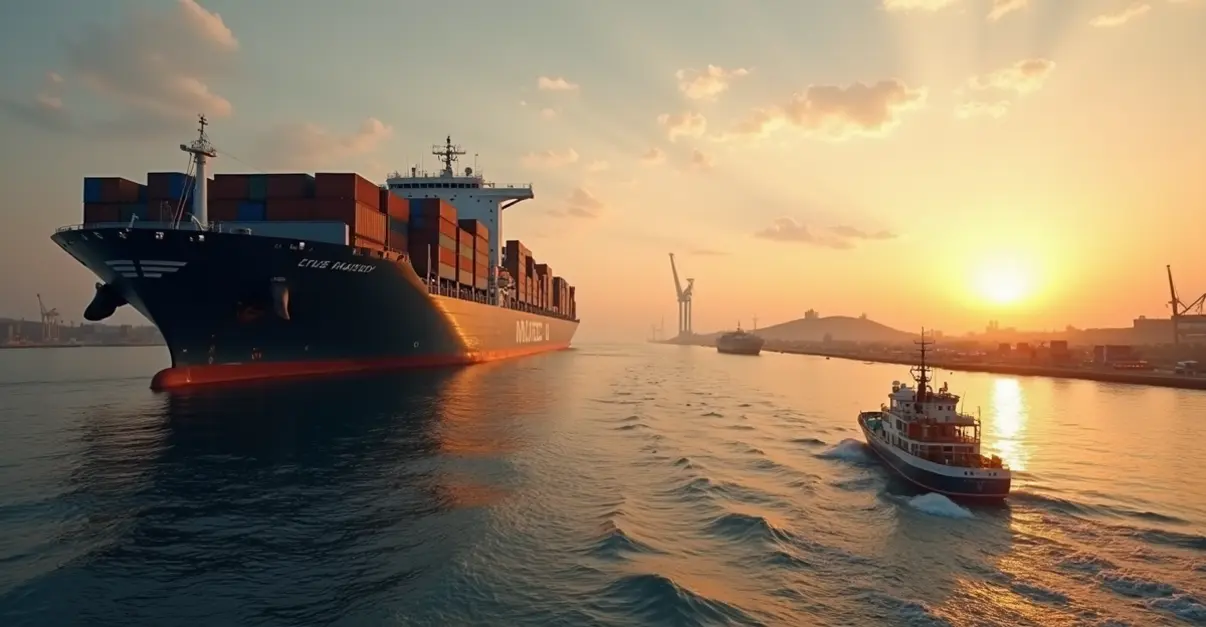
With 89% of vessels now diverting around Africa's Cape of Good Hope, Asia-Europe voyages add between 7 and 14 days—up to two weeks per trip—and consume roughly 27% more fuel, adding about $400,000 in emissions costs per large ship. Drewry's World Container Index rose from $2,107 to $4,476 per FEU between January and September 2026, while Far East–US East Coast spot rates hit $10,955 per FEU. These container shipping rate increases are rippling through consumer prices, with computers up 18%, transport equipment up 15%, and electrical machinery up 14%, according to CIPS data.
Suez vs Panama Canal Disruption at a Glance
| Metric | Suez Canal | Panama Canal |
|---|---|---|
| Primary cause | Geopolitical instability (Houthi attacks) | Climate-driven drought |
| Transit change | Traffic down 57% from peak | Daily slots cut from 23 to 14 |
| Reroute impact | Adds 7–14 days via Cape of Good Hope | Adds 7–10 days for affected cargo |
| Revenue impact | Egypt loses ~40% revenue (~$10B) | Auction slots surge to $1–4M |
The Rise of Alternative Corridors and Regionalization
As the dual crisis hardens, investment is accelerating in overland and multimodal alternatives, most notably the India-Middle East-Europe Economic Corridor (IMEC). Announced at the 2023 G20 Summit and backed by the United States, Saudi Arabia, the UAE, and European partners, IMEC links Indian ports to Gulf, Saudi, Jordanian, Israeli, and European terminals via rail, road, and pipelines. In September 2026, US President Donald Trump urged Gulf and Arab leaders to shift energy infrastructure away from routes vulnerable to Iranian disruption, explicitly citing the need for IMEC and alternative oil-transport paths. The corridor remains largely a declaration of intent, but the canal crises are turning it from diplomatic ambition into strategic necessity.
Impact on Economies and Energy Security
Egypt has lost roughly 40% of Suez Canal revenue—about $10 billion—while Panama's auction slot prices have surged to between $1 million and $4 million. Panama moves $270 billion in annual cargo, 73% of it tied to US trade, and its $1.6 billion water fix won't arrive until 2032. UNCTAD has warned that the world's global energy security and just-in-time logistics model are under unprecedented stress. Analysts say the shift is moving from just-in-time logistics toward resilient, redundant supply chains as rerouting hardens into a lasting restructuring.
FAQ: Canal Crisis and Global Trade in 2026
Why are the Suez and Panama Canals both disrupted in 2026?
The Suez Canal is affected by Red Sea security threats from Houthi attacks, while the Panama Canal is suffering from a climate-driven drought that has cut water levels and reduced daily transits.
How much have shipping rates increased in 2026?
Asia-Europe container rates have more than doubled, and overall container rates are up 280% above 2020 baselines, with Far East–US East Coast spot rates exceeding $10,000 per FEU.
What is the India-Middle East-Europe Economic Corridor?
IMEC is a planned multimodal corridor linking India, the Middle East, and Europe through shipping, rail, and pipelines, backed by the US and G20 partners as an alternative to vulnerable chokepoints.
How long does rerouting around the Cape of Good Hope take?
Rerouting adds between 7 and 14 days to Asia-Europe voyages, depending on speed and port calls, and increases fuel consumption by about 27%.
Will the canal crises permanently change global trade?
Analysts believe the disruption is accelerating a structural shift toward regionalized supply chains, buffer inventories, and long-term contracts, making volatility a permanent feature of logistics planning.
Conclusion: A New Era for Maritime Chokepoints
The 2026 Suez and Panama canal crises are not a temporary blip but a strategic inflection point. With rerouting costs embedded, alternative corridors gaining momentum, and climate and geopolitical risks unresolved, global trade is being rewired for resilience rather than pure efficiency. Shippers, governments, and investors must plan for a world where the shortest route is no longer the default.
Follow Discussion