


 Deutsch
 English
 Español
 Français
 Nederlands
 Português


 Share
Share




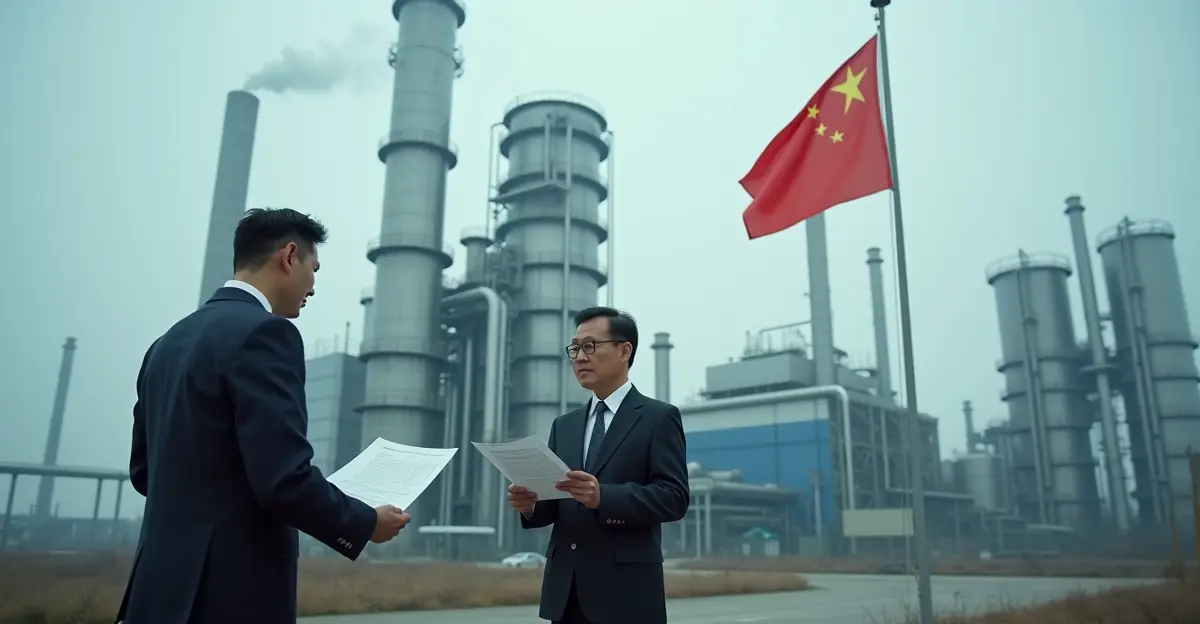
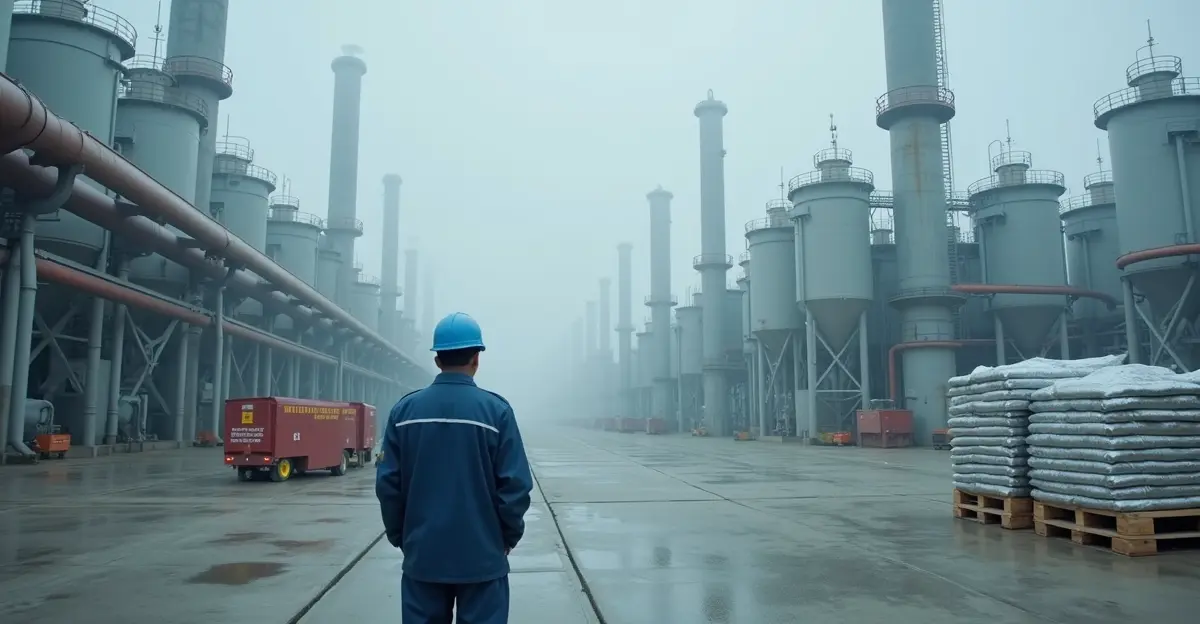
China's rare earth export controls have turned a simmering trade dispute into a full-blown supply chain crisis in 2026. Beijing controls roughly 90% of global rare earth processing, 80% of tungsten refining, and 60% of antimony production, and its phased restrictions have pushed some prices up sixfold while European licensing approvals have fallen below 25%. The U.S. response—a 54-nation FORGE alliance backed by $30 billion and a $12 billion strategic reserve under Project Vault—is the most ambitious critical minerals decoupling since the Cold War.
What Are China's 2026 Rare Earth Export Controls?
China's controls began in April 2025 with seven heavy rare earths, expanded in October 2025 to include five more elements and processing technology, and escalated again in April 2026. The non-automatic licensing system creates a rolling embargo: exporters must seek approval for each shipment, with 45-day reviews that routinely extend indefinitely. Unlike tariffs, the controls are reversible and selective—Beijing deliberately spares light rare earths while choking heavy rare earths used in defense magnets. This mirrors the 2010 rare earth embargo on Japan, but with far broader scope.
The Western Response: FORGE and Project Vault
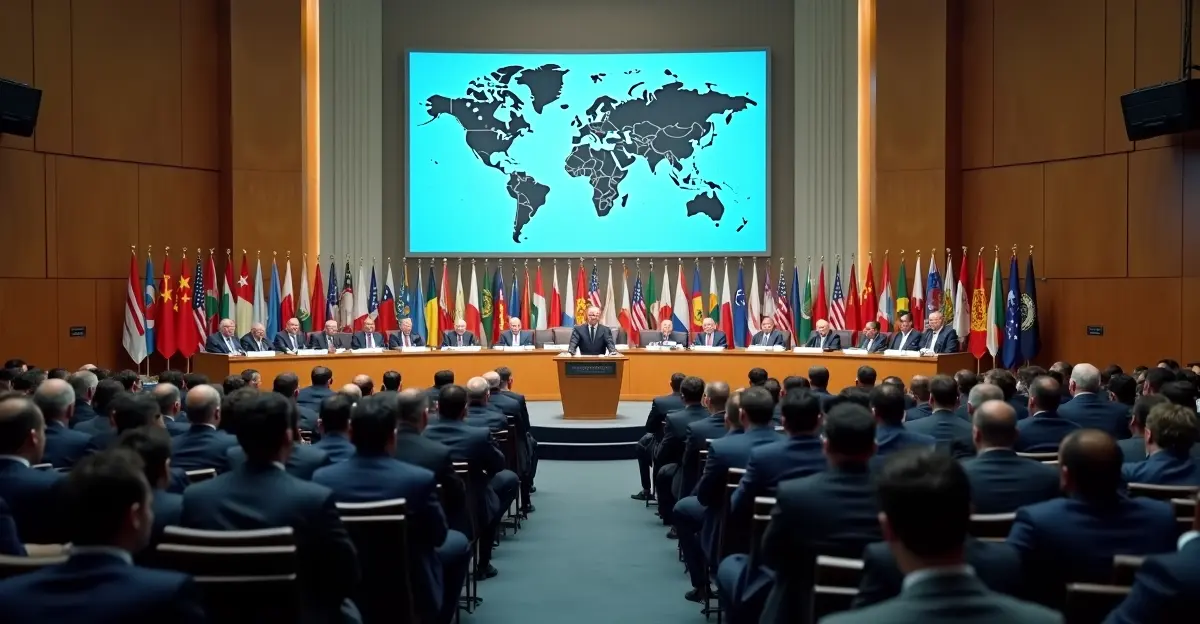
On February 4, 2026, Secretary of State Marco Rubio hosted the Critical Minerals Ministerial in Washington, welcoming delegations from 54 countries and the European Commission. The centerpiece was the launch of FORGE (Forum on Resource Geostrategic Engagement), successor to the Minerals Security Partnership, chaired by South Korea through June. FORGE includes coordinated price floors, adjustable tariffs, and 11 new bilateral framework agreements with nations from Argentina to Uzbekistan. The U.S. mobilized over $30 billion in loans and investments, including EXIM's $10 billion Project Vault loan, which, combined with $2 billion in private capital, creates a $12 billion strategic reserve for neodymium, dysprosium, and lithium—modeled on the strategic petroleum reserve.
Which Industries Are Most Exposed?
Defense and Aerospace
Heavy rare earths are critical for F-35 radar systems, SM-6 missile guidance, and Patriot interceptors. Gallium prices have risen 123% to about $2,100 per kilogram, threatening semiconductor fabrication for defense electronics. Antimony exports from China fell 97%, triggering a $245 million U.S. Defense Logistics Agency contract. Prime contractors including Lockheed, RTX, and Northrop acknowledge risks but disclose no quantities.
Electric Vehicles and Semiconductors
EV manufacturers face roughly $500 in added costs per vehicle from pricier magnets. Germanium prices surged 203%, hitting fiber optics used in AI data centers and Nvidia's NVL72 racks. The EU Critical Raw Materials Act approved 60 strategic projects targeting 10% extraction, 40% processing, and 25% recycling by 2030, but analysts warn that full independence remains 5–7 years away, with 2–4x cost disadvantages.
Can the West Decouple Before the Window Closes?
Experts in defense supply chain security say the West has only 12–18 months to build independent processing capacity before dependence entrenches. Rebuilding full supply chains could take 20–30 years, and NATO stockpiles cover only 6–9 months of conflict. As one OECD analyst put it, China has weaponized control rather than scarcity—the goal is to extract concessions, not to stop trade. The April 24, 2026, U.S.-EU Action Plan exploring border-adjusted price floors signals a shift toward managed decoupling, but the window is narrow.
FAQ
What are rare earth elements? Rare earths are 17 chemically similar metals used in magnets, batteries, and electronics. China dominates processing, not necessarily mining.
Why did China impose export controls? Beijing uses controls as geopolitical leverage, targeting defense and high-tech industries while preserving its pricing power.
What is Project Vault? A $12 billion U.S. strategic mineral reserve—$10 billion EXIM loan plus $2 billion private capital—to stockpile critical minerals at fixed prices.
How much have rare earth prices risen? Outside China, neodymium-praseodymium oxide jumped from about $80/kg in 2024 to over $480/kg in early 2026, with some materials up sixfold.
Can the West replace Chinese supply? Yes, but it will take 5–7 years for meaningful capacity and 20–30 years for full independence, at 2–4x higher cost.

Follow Discussion