


 Deutsch
 English
 Español
 Français
 Nederlands
 Português


 Share
Share




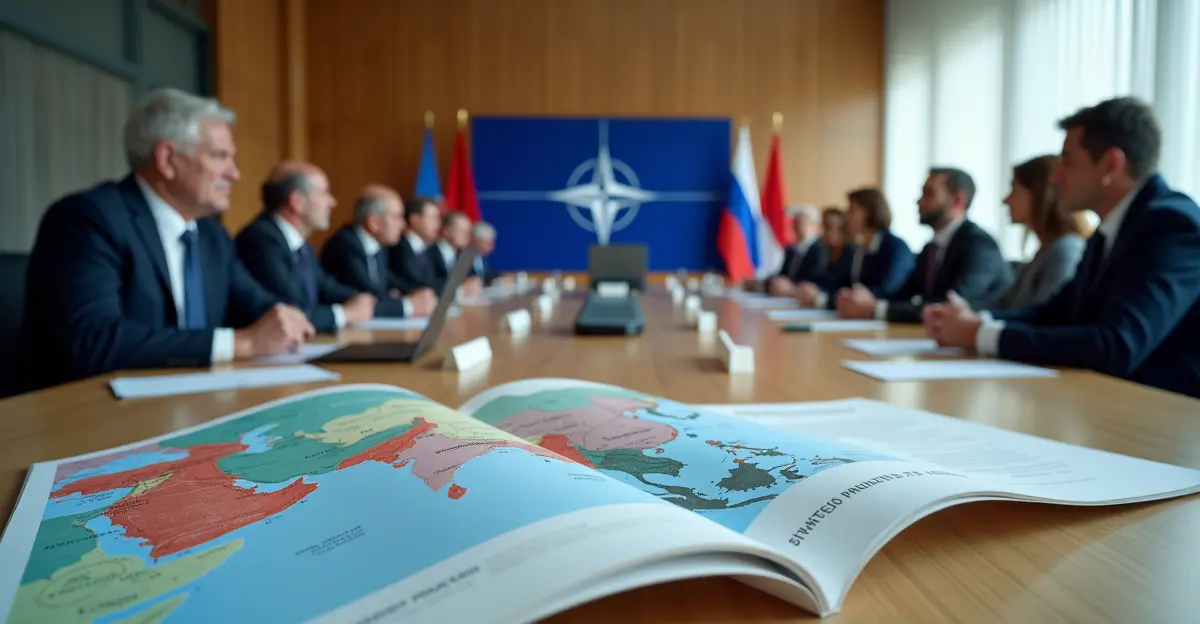
On January 6, 2026, the Coalition of the Willing—led by France and including Ukraine and the United States—issued the Paris Declaration, a framework of robust security guarantees for Ukraine. The document outlines a multinational reassurance force, a U.S.-led ceasefire monitoring mechanism, and binding commitments for future military assistance in case of renewed Russian attack. This represents Europe's largest defense autonomy push since NATO's founding and is already reshaping battlefield realities and troop deployments.
What Is the Coalition of the Willing's Paris Declaration?
The Paris Declaration, formally titled 'Robust Security Guarantees for a Solid and Lasting Peace in Ukraine', was adopted on 6 January 2026 in Paris. It builds on the coalition announced by British Prime Minister Keir Starmer and French President Emmanuel Macron in March 2025. The framework commits member states to a three-pillar structure: a multinational force on Ukrainian territory, participation in a U.S.-led ceasefire monitoring and verification mechanism, and legally binding pledges to provide military assistance if Russia attacks again.
Multinational Force and Ceasefire Monitoring
The most visible component is a combat-capable multinational reassurance force, not a passive observer mission. It will include contributions from multiple Coalition members, with command arrangements tied to the new Operational Headquarters in Paris. Separately, members will join a U.S.-led ceasefire monitoring and verification mechanism providing continuous, reliable monitoring of any agreed ceasefire, with early warning of violations.
How the Paris Declaration Reshapes NATO and European Defense
The Declaration converges with two major developments: NATO's new 3.5% GDP defense spending guideline (5% by 2035) and the EU's €150 billion SAFE program. NATO Allies agreed at The Hague to raise spending, while SAFE provides loans for joint procurement and industrial expansion. Together, these create a parallel command and funding architecture that challenges the traditional NATO-centric order.
A New European Defense Autonomy
For the first time, European nations are building operational structures outside NATO's formal chain of command. The Paris-based Operational Headquarters coordinates air, sea, and land reassurance measures independently, though in coordination with U.S. forces. This shift is driven by uncertainty over long-term U.S. commitments and the need for credible deterrence, despite persistent EU defense industrial bottlenecks.
Operational Headquarters in Paris: A Parallel Command Structure
The Paris headquarters serves as the nerve center for the Coalition's long-term reassurance measures, coordinating troop rotations, logistics, and intelligence sharing. This parallel command structure reflects broader European strategic autonomy and raises questions about interoperability with NATO's SHAPE.
Impact and Implications
The Declaration is already shaping mid-2026 realities. NATO's July 2026 update showed record European spending, with five Allies expected to meet the 3.5% guideline this year. The Coalition's binding commitments also alter Moscow's calculus, creating a deterrent independent of Washington's future choices, and signal a potential restructuring of NATO command structures.
Expert Perspectives
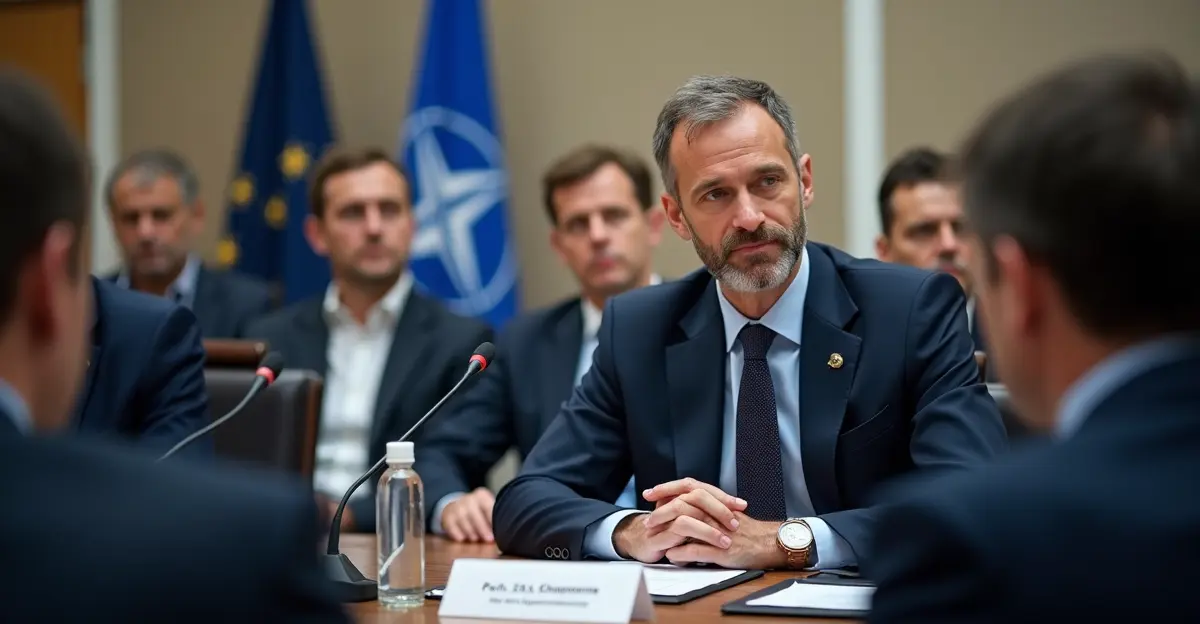
The Paris Declaration is not just a security guarantee for Ukraine; it is the first concrete step toward a European pillar within NATO that can act independently if necessary. — a senior French defense official. Analysts note success hinges on sustained funding, industrial capacity, and political will across 34 coalition members.
Frequently Asked Questions
What is the Coalition of the Willing?
A group of 34 countries plus Ukraine pledged to enhanced support, including potential troop contributions to a post-ceasefire force. It was announced in March 2025 and formalized by the January 2026 Paris Declaration.
What does the Paris Declaration guarantee?
Three guarantees: a multinational reassurance force, participation in a U.S.-led ceasefire monitoring mechanism, and binding military assistance if Russia attacks again.
How does this affect NATO spending?
It aligns with NATO's 3.5% GDP spending guideline and the EU's €150 billion SAFE program, pushing European defense budgets toward €800 billion annually.
Conclusion
The Paris Declaration marks a turning point. By combining a multinational force, U.S.-led monitoring, and binding assistance under a Paris-based command, the Coalition has created a framework that could determine the post-war security order in Eastern Europe for decades.




Follow Discussion