


 Deutsch
 English
 Español
 Français
 Nederlands
 Português


 Share





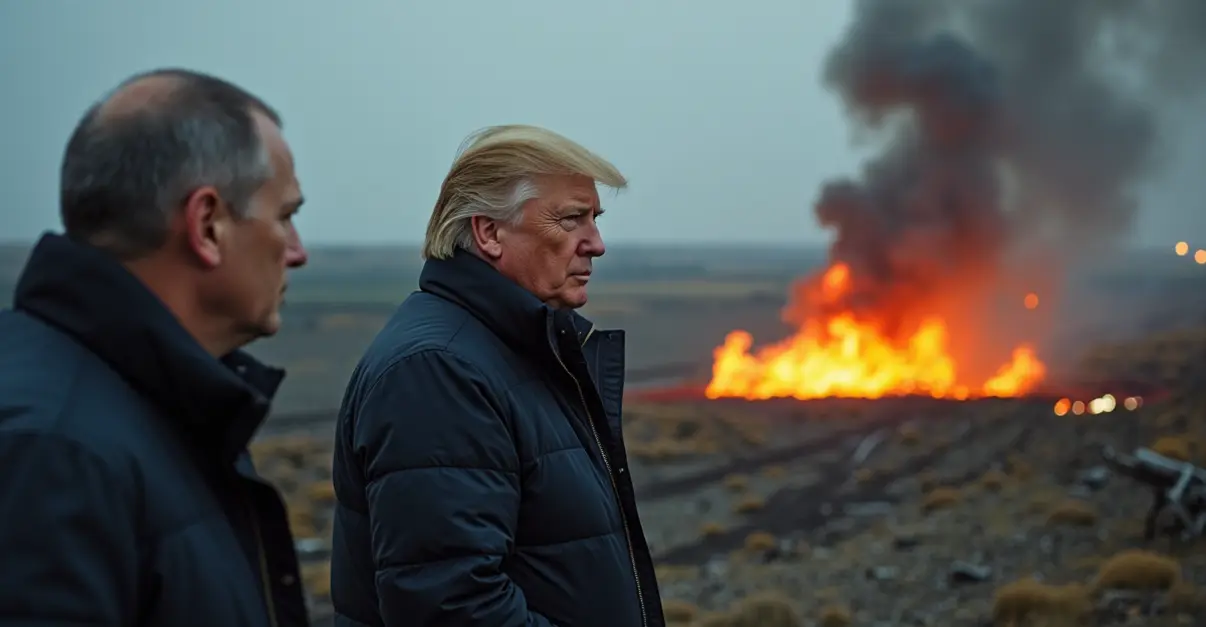
President Donald Trump on Thursday signed an executive order waiving most of the new Russia sanctions that Congress had passed—and that Trump himself had signed into law just last month—according to reports from BBC News and The Guardian. The waiver suspends the restrictions and import duties on Moscow that were set to take effect this week, effectively gutting the congressional package at a moment of escalating US-Ukraine tension. The US-Russia sanctions battle has entered a new phase with this unilateral executive action.
What Are the Congressional Russia Sanctions?
The sanctions package, approved by bipartisan majorities in both chambers, targeted Russia's energy exports, financial institutions, and individuals linked to the Kremlin's war in Ukraine. It included new import bans on Russian oil, natural gas, and metals, as well as secondary sanctions on third-country banks facilitating Russian trade. The legislation, part of a broader US aid package for Ukraine, was signed by Trump in late March and was intended to pressure Moscow over its ongoing aggression and human rights abuses.
Why Did Trump Waive the Sanctions?
Trump's executive order invokes presidential authority to waive sanctions 'in the national interest,' citing diplomatic flexibility and the need to maintain channels with Moscow. White House officials said the waiver allows Trump to negotiate a potential peace deal without being constrained by mandatory restrictions. Critics argue the move rewards Russia and undermines Congress. US sanctions policy has long been a tool of coercive diplomacy, but this waiver marks a sharp departure from recent bipartisan consensus.
What the Executive Order Covers
The waiver suspends all new import duties and restrictions on Russian goods, lifts asset freezes on several Russian entities, and pauses enforcement of secondary sanctions for 90 days. It does not reverse pre-existing sanctions from previous administrations but effectively neutralizes the new package.
Zelensky Rift Deepens: Ukraine Reaction
The decision comes as Trump publicly criticizes Ukrainian President Volodymyr Zelenskyy, calling him 'a dictator without elections' and suggesting Ukraine needs a new leader. Ukrainian officials expressed alarm, with one senior adviser saying, 'This is not just a waiver; it is a signal that Washington may abandon us.' The Volodymyr Zelenskyy leadership has faced increasing pressure from Trump's inner circle, who accuse Kyiv of prolonging the war.
Implications for US Foreign Policy and Global Security
The waiver has far-reaching consequences. European allies fear the US is pivoting away from the transatlantic alliance, while Moscow may interpret the move as a green light for further escalation. Analysts note that the decision could reshape NATO alliance dynamics and embolden other authoritarian regimes. It also raises questions about the future of European energy security, as Russia's oil and gas could re-enter global markets.
Expert Perspectives on the Waiver
Foreign policy experts are divided. 'This is the most significant erosion of congressional sanctions authority in decades,' said Dr. Elena Sokolova, a sanctions researcher at a Washington think tank. 'It signals that the White House is prioritizing a rapprochement with Moscow over bipartisan pressure.' Others argue the waiver is a tactical move to gain leverage in peace talks.
Frequently Asked Questions
What does Trump's executive order do? It waives most of the Russia sanctions that Congress passed and Trump signed last month, suspending import restrictions and duties on Russian goods and entities.
Why did Trump waive the sanctions? Trump cited national interest and diplomatic flexibility, arguing it could help negotiate peace with Russia over Ukraine.
How has Ukraine responded? Ukrainian officials expressed concern that the waiver signals reduced US support, deepening the rift between Trump and President Zelenskyy.
Are all Russia sanctions waived? No, only the new congressional sanctions from last month. Older sanctions from previous administrations remain in place.
What happens next? The waiver lasts 90 days unless renewed, and Congress may attempt to override it or pass new legislation.
Sources
BBC News and The Guardian reports on the executive order, as cited in the opening paragraph.




Follow Discussion