


 Deutsch
 English
 Español
 Français
 Nederlands
 Português


 Share
Share




Russian Warship Conducts Live-Fire Exercise Near Plymouth
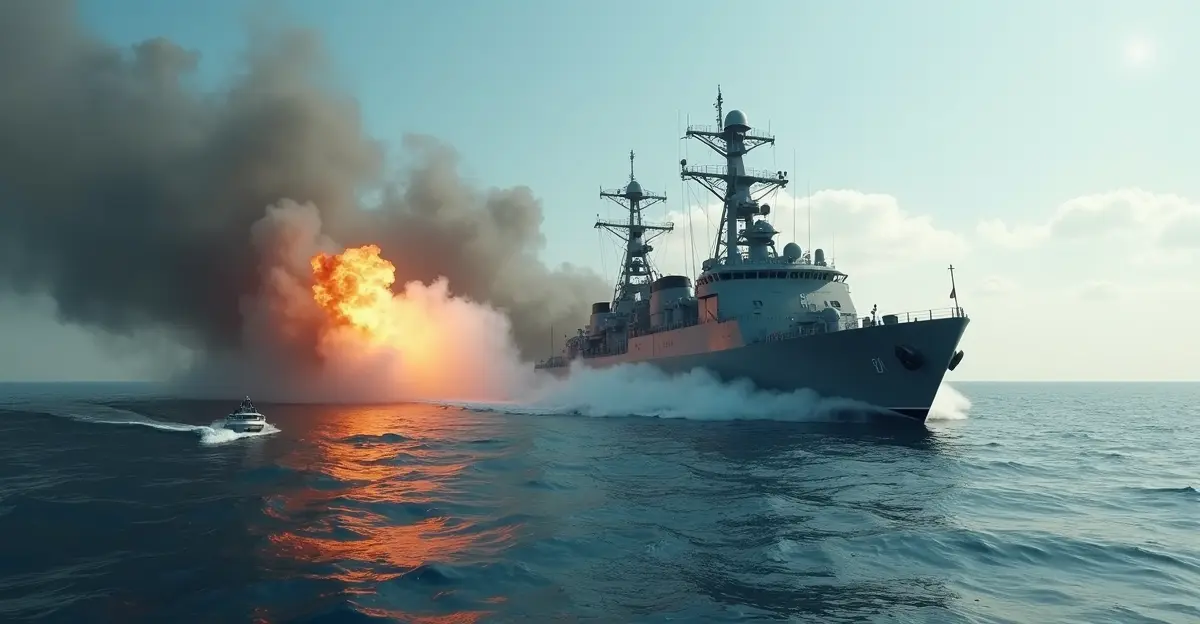
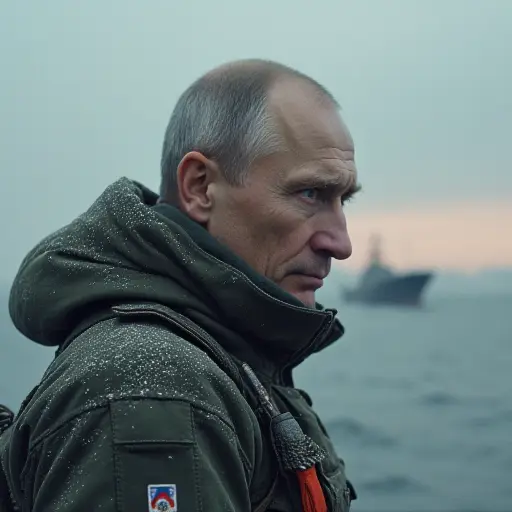
A Russian Navy frigate, the Neustrashimy (Project 11540 Yastreb-class), conducted a rare live-fire artillery exercise approximately 40 nautical miles (72 km) south of Plymouth, England, on Monday, July 20, 2026. The 30-minute drill, which took place in international waters in the English Channel, saw the 130-meter warship fire its 100mm naval gun while being shadowed by the Royal Navy patrol vessel HMS Tyne.
Prior to opening fire at 09:30 local time, the Russian vessel contacted HMS Tyne via radio, announcing its intention to conduct a live-fire exercise and requesting the British ship reposition to a safe distance. The Royal Navy complied, and the Royal Navy shadowing operations continued throughout the duration of the drill. A French military aircraft also monitored the exercise from the air.
Context: Rising Russia-UK Maritime Tensions
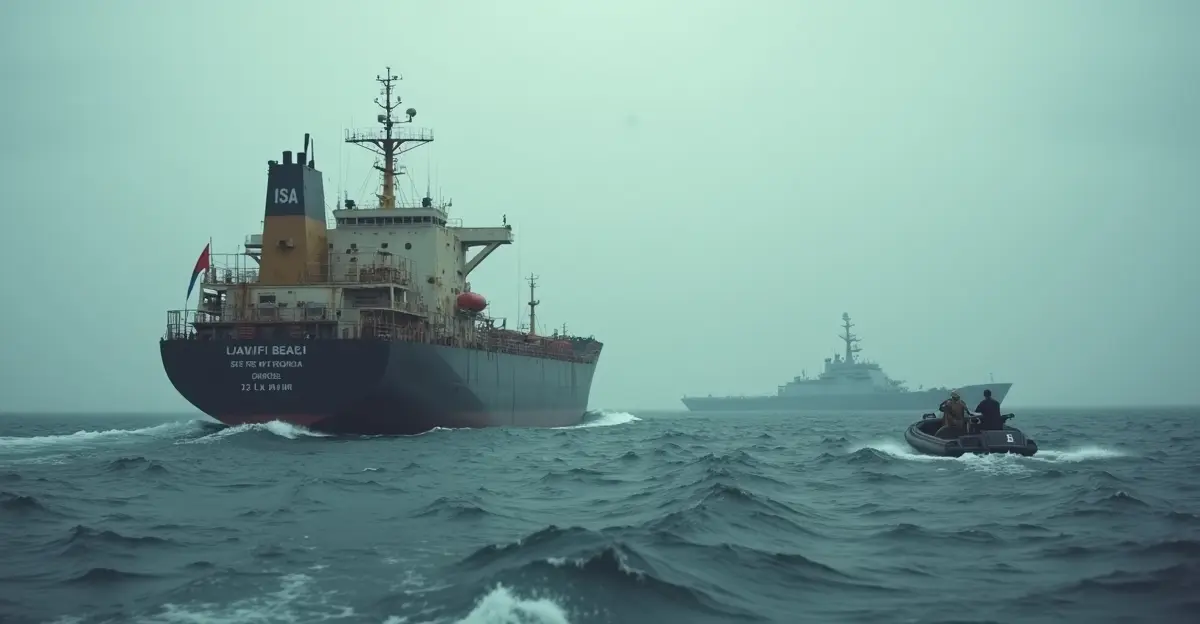
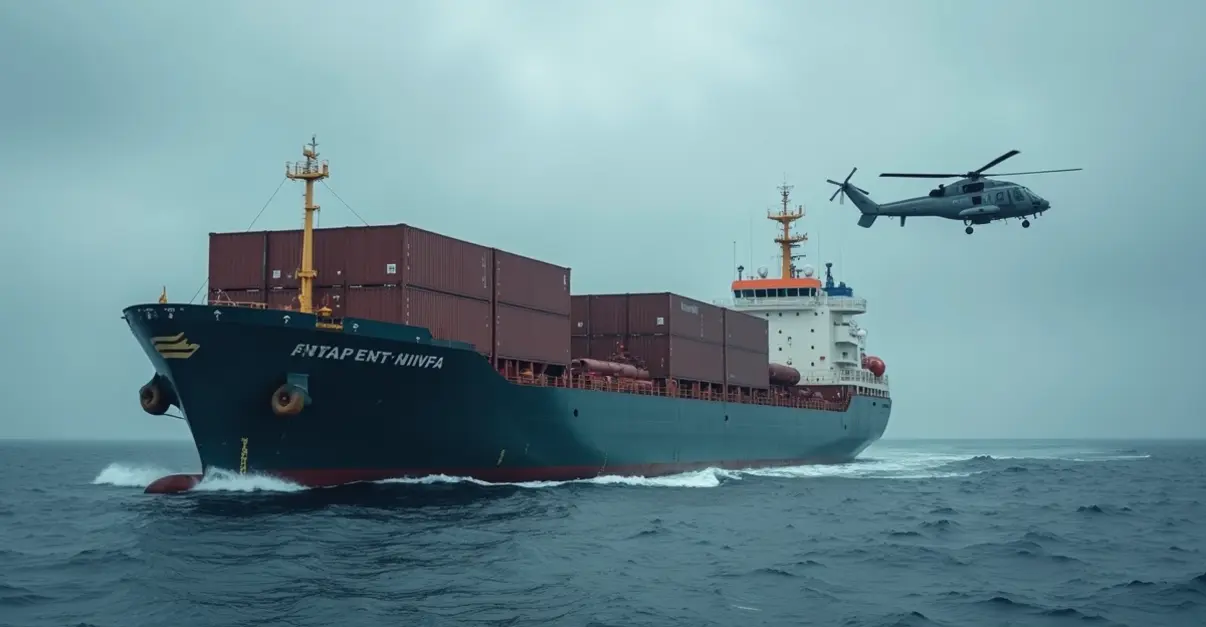
The exercise marks the latest in a series of escalating incidents between Russian naval forces and the United Kingdom. Last month, the Russian frigate Admiral Grigorovich fired warning shots near a British pleasure yacht south of the Isle of Wight after the yacht was deemed to be on a "dangerous approach." Just days earlier, Royal Marine Commandos boarded and seized a Russian-linked oil tanker in the English Channel as part of ongoing operations against Moscow's so-called "shadow fleet" — vessels used to evade Western sanctions on Russian oil exports.
British officials had previously warned that Russia might retaliate for the tanker seizure. The Russian shadow fleet sanctions have been a key focus of UK and EU policy, with over 600 shadow fleet vessels sanctioned by the UK alone as of 2026.
Political Reactions and Strategic Implications
The live-fire exercise coincided with the inauguration of new UK Prime Minister Andy Burnham, who was sworn in on the same day. UK Defence Secretary Wes Streeting condemned the Russian action, calling it "performative and irresponsible." Speaking to reporters, Streeting said: "It is not the first time Russia has behaved this way. And frankly, it is just the tip of the iceberg of the daily threats facing this country and our allies."
Kremlin spokesperson Dmitry Peskov linked the timing to Burnham's first official act — a phone call with Ukrainian President Volodymyr Zelensky reaffirming the UK's unconditional support for Ukraine. Peskov stated Russia would "take this into account." Former head of the British Army, General Sir Richard Dannatt, described the drill as a deliberate signal: "President Putin is showing that Russia has muscles that it can flex."
What the Neustrashimy Carries
The Neustrashimy (Russian for "Dauntless") is a 3,800-ton frigate armed with anti-ship cruise missiles, a 100mm naval gun capable of firing 50 rounds per minute, and Gatling machine guns as part of its air defense system. It is one of two operational vessels of its class, both serving with the Russian Baltic Fleet. It is currently being tracked by HMS Mersey as it heads toward the North Sea.
Legality and Precedent
While the exercise was legal under international law — conducted in international waters with proper safety warnings — such drills with live ammunition so close to a NATO member's coastline are highly unusual. A retired Royal Navy commander told the BBC that gunnery exercises of this nature near the UK are "very unusual" and reminiscent of Cold War-era provocations. The UK Ministry of Defence confirmed the Royal Navy "monitored the exercise throughout" and "continues to track the vessel's activity closely, standing ready to protect the national security of the United Kingdom."
Broader Threat Picture
The incident comes amid a broader assessment by Western intelligence agencies that Russia is preparing for a prolonged confrontation with the West. The Dutch General Intelligence and Security Service (AIVD) warned in its 2025 annual report that Russia has become "more aggressive, more brazen, and more provocative" toward European nations. The AIVD noted that Russia hybrid warfare Europe tactics now include sabotage, cyberattacks, and influence operations targeting critical infrastructure. AIVD Director-General Simone Smit stated the Netherlands faces its highest threat level in 80 years.
The UK has sanctioned nearly 500 individuals, entities, and ships under its Russia sanctions regime in 2026 alone, with over 600 shadow fleet vessels sanctioned to date. The EU's 20th sanctions package further tightens maritime services restrictions and targets third-country ports handling Russian oil.
Frequently Asked Questions
Was the Russian live-fire exercise legal?
Yes. The exercise took place in international waters, and the Russian vessel provided proper safety warnings to nearby ships, including HMS Tyne. Under the United Nations Convention on the Law of the Sea (UNCLOS), military exercises in international waters are generally permitted as long as due regard is given to the safety of other vessels.
How close was the Russian warship to the UK coast?
The Neustrashimy conducted the exercise approximately 40 nautical miles (72 km) south of Plymouth, Devon. This is well within the UK's Exclusive Economic Zone but outside its territorial waters (12 nautical miles).
Why did Russia conduct this exercise now?
The drill coincided with the inauguration of UK Prime Minister Andy Burnham, who immediately reaffirmed UK support for Ukraine. Analysts suggest the timing was intentional, serving as a signal of Russian military capability and a response to UK actions such as the seizure of a shadow fleet tanker in June.
What is Russia's shadow fleet?
The shadow fleet consists of aging, often poorly maintained tankers used by Russia to transport oil and petroleum products while evading the G7 price cap and Western sanctions. These vessels often operate with opaque ownership and insurance arrangements. The UK and EU have increasingly targeted these ships through sanctions and direct interdictions.
How has the UK responded?
The Royal Navy tracked the Neustrashimy throughout the exercise and continues to monitor its movements. Defence Secretary Wes Streeting condemned the action as irresponsible. The UK has also expanded sanctions against Russia's shadow fleet and military procurement networks, and has conducted boarding operations to seize sanction-evading vessels.
Follow Discussion