


 Deutsch
 English
 Español
 Français
 Nederlands
 Português


 Share
Share




Estonia's Shadow Fleet Dilemma Explained: Why Baltic Nation Won't Intercept Russian Tankers
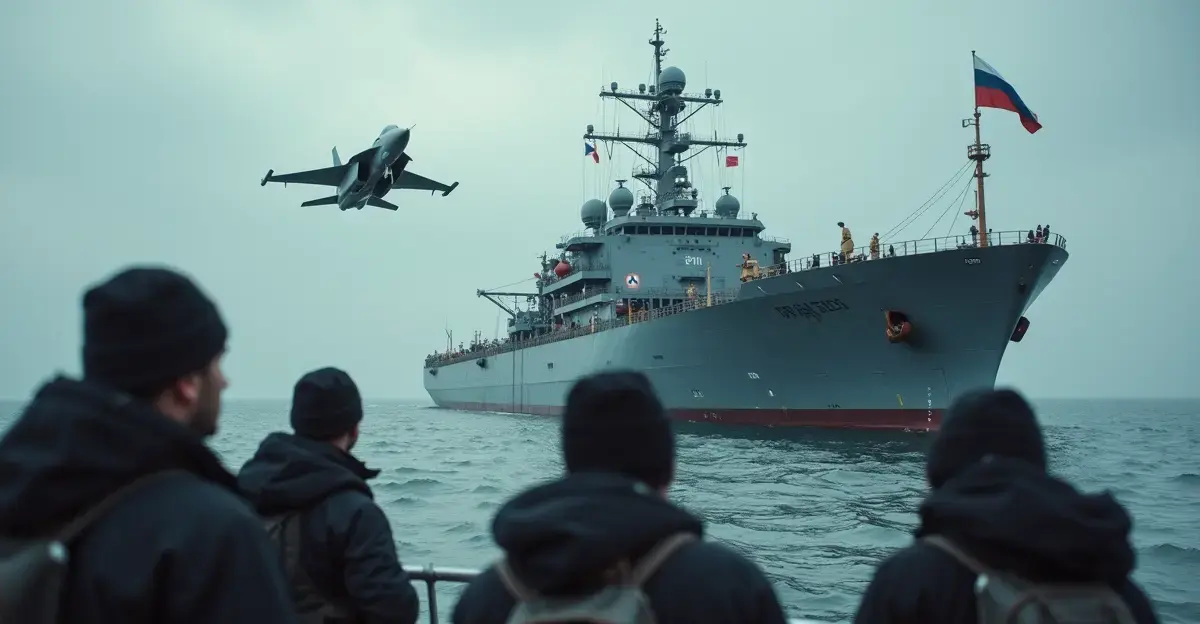
Estonia has made the strategic decision not to detain Russian "shadow fleet" vessels in the Baltic Sea, citing fears of military escalation with Moscow. This cautious approach, revealed by Estonian Navy Commander Ivo Vark in an exclusive interview with Reuters, highlights the complex security dynamics in the Baltic region where Russia has significantly increased its military presence following a May 2025 incident that saw a Russian fighter jet violate NATO airspace.
What is Russia's Shadow Fleet?
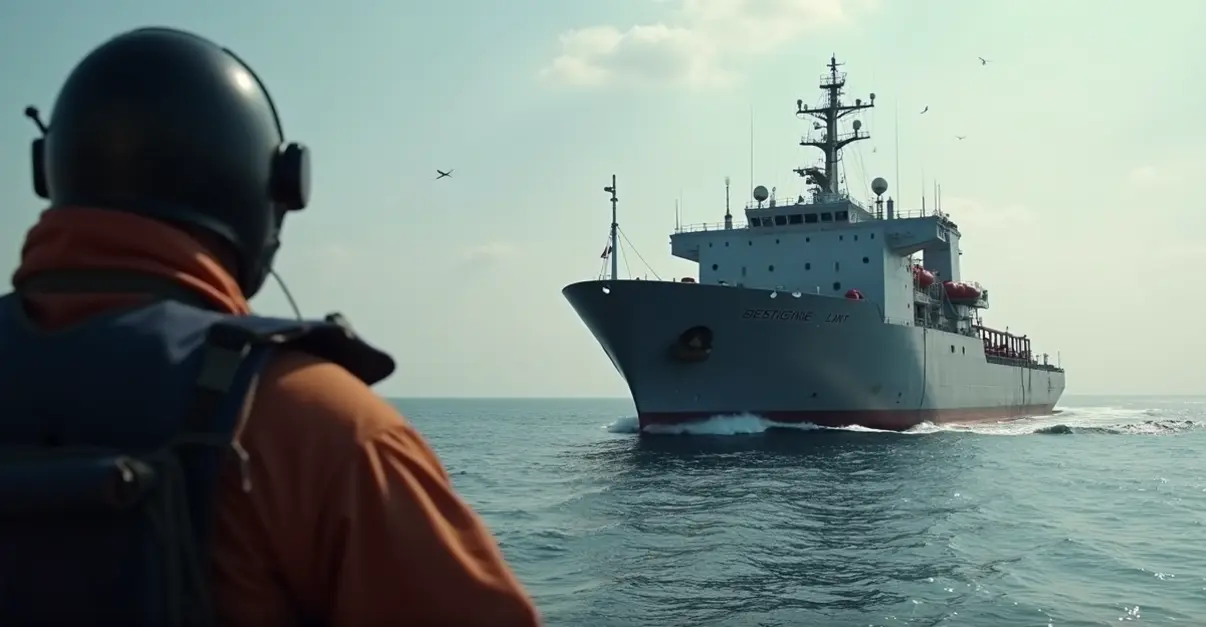
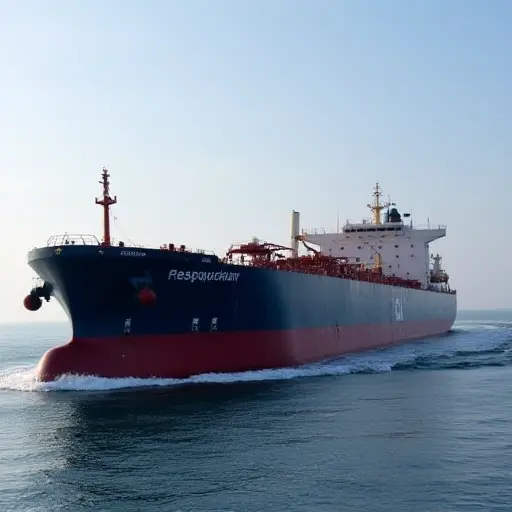
The Russian shadow fleet represents a clandestine network of hundreds of vessels used by Moscow to evade international sanctions imposed after the 2022 invasion of Ukraine. This fleet, which has grown from over 600 ships in 2022 to between 1,100-1,400 vessels by late 2023, consists primarily of aging oil tankers operating with non-Russian flags, disabled tracking systems, and lacking proper marine insurance. These ships conduct ship-to-ship transfers at sea and employ deceptive shipping practices to transport Russian oil to global markets, generating approximately $100 billion in annual revenue despite Western embargoes.
The Baltic Security Context
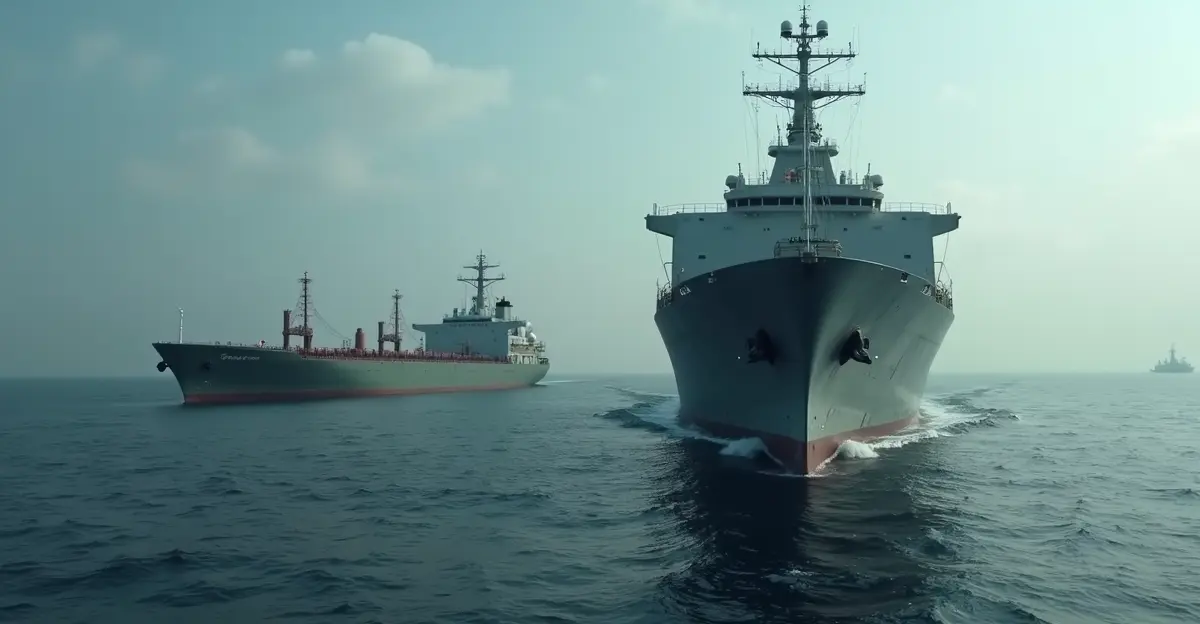
The situation in the Baltic Sea differs dramatically from other European waters, according to Commander Vark. "The risk of military escalation is simply too great," he stated, referencing a May 2025 incident where Russia sent a fighter jet into NATO airspace when Estonia attempted to stop an unflagged Russian oil tanker. Since that confrontation, Moscow has established permanent patrols of 2-3 armed military vessels in the Gulf of Finland and increased its presence along Baltic Sea oil shipping lanes.
This increased Russian military activity comes amid broader tensions in the region. The Baltic states security concerns have intensified as Russia continues its hybrid warfare tactics. Just this week, Russian foreign ministry spokesperson Maria Zakharova warned that Baltic nations "must understand they are at risk" if they allow Ukrainian drones to use their airspace to attack Russian targets. Estonia, Latvia, and Lithuania responded with a joint statement calling this a "Russian disinformation campaign" with no basis in fact.
Estonia's Calculated Restraint
Estonia's position represents a notable contrast to other European nations that have taken more aggressive actions against the shadow fleet. Countries including Britain, France, Belgium, and Sweden have increased efforts to seize sanctioned vessels funding Russia's war against Ukraine. However, Estonia will only intervene in cases of imminent danger such as oil spills or damage to underwater infrastructure.
"The situation in the Baltic Sea is different than, for example, on the Atlantic Ocean or the North Sea," explained Commander Vark. "There, the Russian presence is very limited, so that gives you much more time and freedom to act against those ships, since the risk of military confrontations and escalation is much smaller."
Russia's Enhanced Baltic Presence
Since the May 2025 incident, Russia has significantly bolstered its military footprint in the Baltic region. According to intelligence reports, Moscow now maintains:
- 2-3 permanent armed military vessels in the Gulf of Finland
- Increased patrols along key oil shipping lanes
- Enhanced surveillance and intelligence gathering capabilities
- Regular naval exercises demonstrating force projection
The number of tankers in Estonia's exclusive economic zone has tripled to 30-40 this week alone, attributed to Ukrainian drone attacks disrupting Russian port loading schedules. This increased maritime traffic creates additional monitoring challenges for Estonian authorities.
Broader Regional Implications
The shadow fleet issue extends beyond Estonia's immediate waters. Yesterday, the British Ministry of Defence revealed that three Russian submarines conducted a "secret operation" for over a month in the northern North Sea. Last year, the Dutch navy tracked two Russian warships in the Netherlands' portion of the North Sea, highlighting Russia's expanding maritime reach.
These developments occur within the context of the NATO Baltic defense strategy, which has been strengthened in response to growing Russian threats. Dutch Defense Minister Brekelmans warned last year that a potential ceasefire in Ukraine could actually increase the threat to Baltic states, as Russia could then redeploy troops to their borders.
Environmental and Safety Concerns
Beyond military considerations, the shadow fleet poses significant environmental risks. These aging vessels, often poorly maintained and operating without proper insurance, represent floating environmental disasters waiting to happen. A major oil spill in the sensitive Baltic ecosystem could have catastrophic consequences for marine life and coastal communities.
Commander Vark emphasized that Estonia would intervene in cases of "imminent danger, such as damage to underwater infrastructure or oil leaks." This limited intervention policy reflects the difficult balance between enforcing sanctions and preventing environmental catastrophe.
International Response and Enforcement Challenges
The United States has taken a more proactive approach against the shadow fleet, shifting from reactive to proactive enforcement. However, European nations remain constrained by legal interpretations of the United Nations Convention on the Law of the Sea (UNCLOS) and freedom of navigation principles. Russia systematically violates these same rules through flag-hopping, lack of insurance, and unsafe operations.
The EU's proposed 20th sanctions package against Russia, expected to be adopted by February 24, 2026, represents a significant shift in Baltic Sea geoeconomics. The package includes a full ban on maritime services for Russian crude oil tankers and adds 43 more vessels to the shadow fleet blacklist, bringing the total to 640 sanctioned ships.
FAQ: Estonia and Russia's Shadow Fleet
Why won't Estonia detain Russian shadow fleet vessels?
Estonia fears military escalation with Russia, particularly after a May 2025 incident where Moscow sent a fighter jet into NATO airspace during an Estonian attempt to stop a Russian oil tanker.
What is Russia's shadow fleet?
The shadow fleet consists of hundreds of vessels used by Russia to evade international sanctions, operating with disabled tracking systems, non-Russian flags, and lacking proper insurance.
How has Russia increased its Baltic presence?
Russia maintains 2-3 permanent armed military vessels in the Gulf of Finland and has increased patrols along key shipping lanes since May 2025.
What risks does the shadow fleet pose?
Beyond sanctions evasion, these aging vessels present significant environmental risks due to poor maintenance and lack of proper insurance coverage.
How do other European countries handle the shadow fleet?
Britain, France, Belgium, and Sweden have taken more aggressive actions, including vessel seizures, contrasting with Estonia's cautious approach.

Follow Discussion