


 Deutsch
 English
 Español
 Français
 Nederlands
 Português


 Share
Share




Sweden Boards Russian Shadow Fleet Ship: Breaking Sanctions Evasion Update
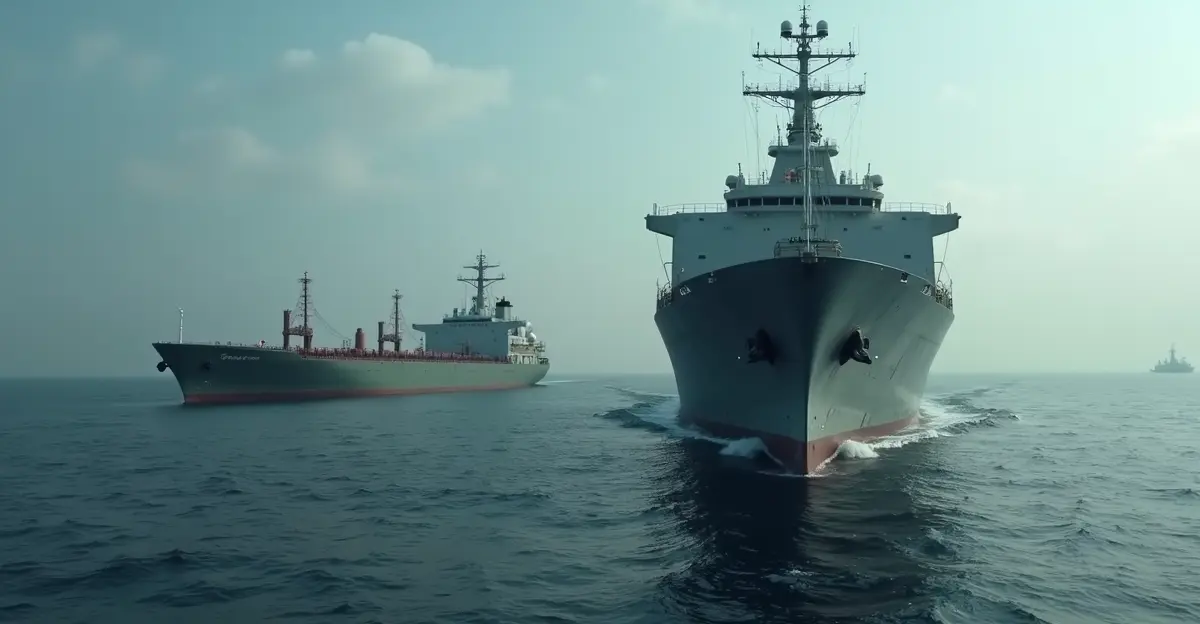
Swedish authorities have conducted a dramatic boarding operation against the cargo ship 'Kaffa', suspected of being part of Russia's shadow fleet designed to evade international sanctions. The vessel, flying a Guinean flag but allegedly operating under false pretenses, was intercepted in Swedish territorial waters on March 6, 2026, while en route to St. Petersburg, Russia. This operation represents a significant escalation in European efforts to combat Russia's sanctions evasion tactics following the 2022 invasion of Ukraine.
What is the Russian Shadow Fleet?
The Russian shadow fleet refers to a clandestine network of hundreds of vessels operated by Russia to circumvent international sanctions, particularly those imposed by the G7 countries and European Union in response to the 2022 Russian invasion of Ukraine. According to the International Maritime Organization's 2023 definition, shadow fleet ships are "engaged in illegal operations for the purposes of circumventing sanctions, evading compliance with safety or environmental regulations, avoiding insurance costs, or engaging in other illegal activities." By the end of 2025, this fleet had more than tripled in size since the war began, with estimates suggesting 1,100-1,400 vessels operating outside normal regulatory frameworks.
The Kaffa Boarding Operation: Key Details
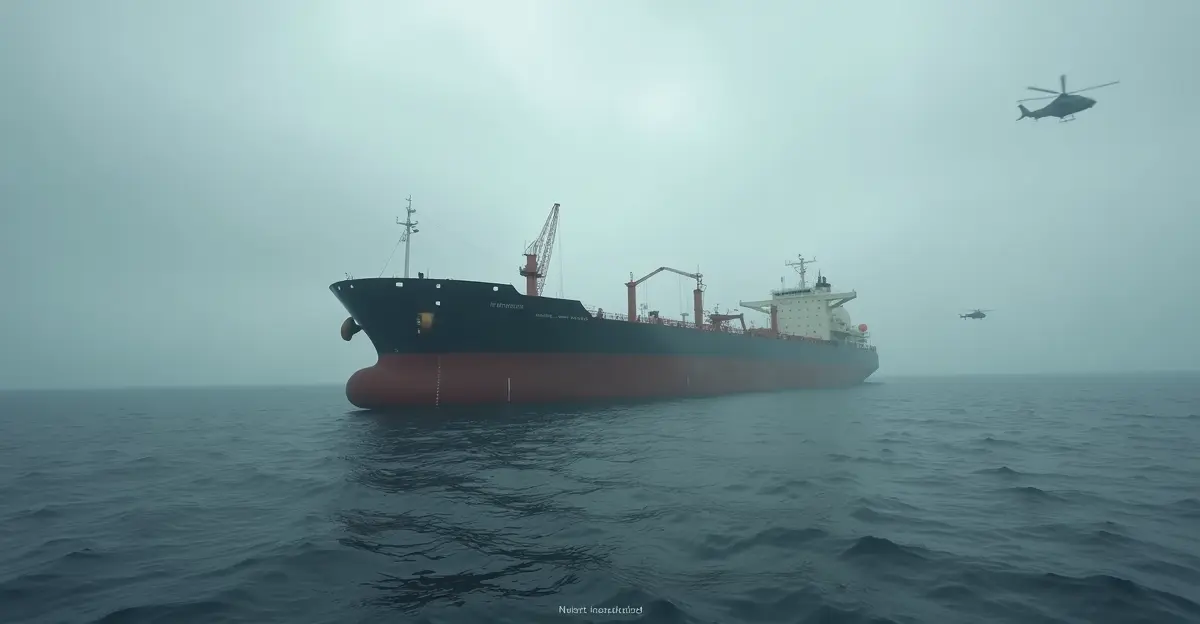
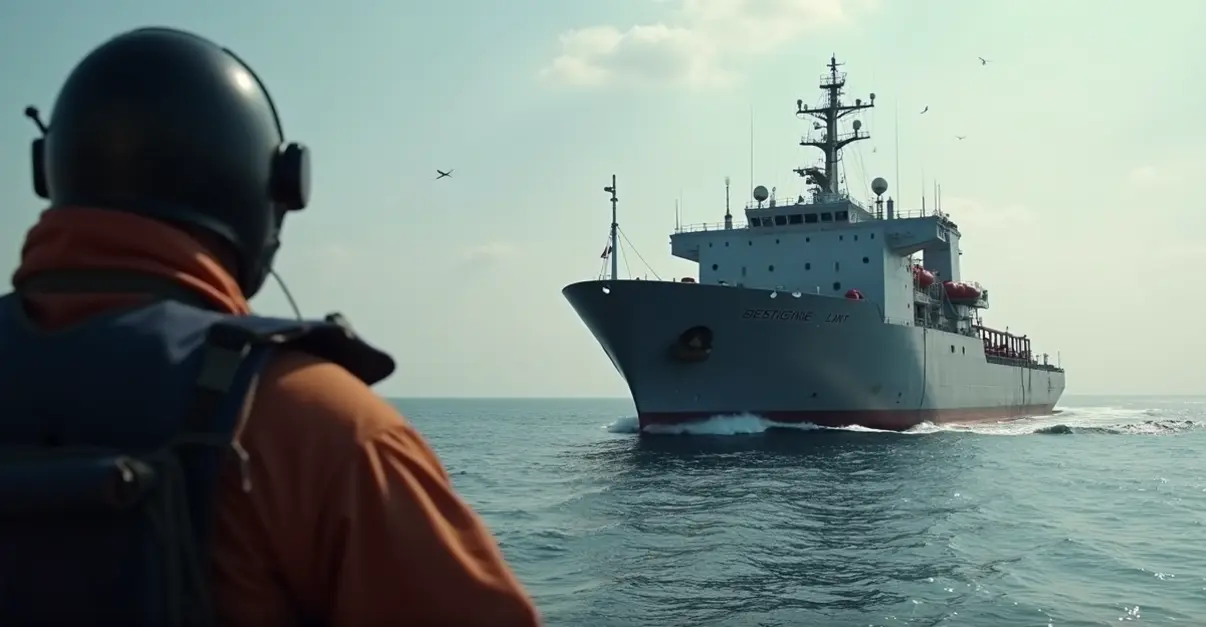
The Swedish Coast Guard, working with the National Task Force and police helicopter units, boarded the vessel 'Kaffa' off the coast of Trelleborg in southern Sweden. The operation revealed several concerning details:
- False Flag Operation: The vessel was sailing under a Guinean flag but had reportedly switched from Russian to Guinean registration in summer 2025
- Crew Composition: Most of the 11 crew members were Russian nationals
- Suspected Cargo: Authorities suspect the ship was transporting stolen Ukrainian grain
- Sanctions Status: The Kaffa appears on Ukraine's national sanctions list
- Safety Concerns: Preliminary investigation focuses on maritime code violations regarding seaworthiness
Swedish Minister for Civil Defence Carl-Oskar Bohlin stated on X: "Today the Coast Guard, with the help of the national task force and in cooperation with relevant authorities, boarded a suspected false-flagged cargo ship in Swedish waters. The ship is on Ukraine's sanctions list, the ownership structure is unclear, and there is suspicion that insurance is lacking."
How Shadow Fleets Operate
Russia's shadow fleet employs multiple tactics to avoid detection and sanctions enforcement:
- Flag Hopping: Frequent changes of vessel registration to flags of convenience
- Identity Manipulation: Renaming ships and changing IMO identification numbers
- Tracking Evasion: Turning off automatic identification systems (AIS)
- Insurance Avoidance: Operating without proper marine insurance
- Ship-to-Ship Transfers: Conducting cargo transfers in open waters to obscure origins
The Belgian military's recent boarding of a Russian shadow fleet tanker in the North Sea demonstrates similar patterns of sanctions evasion across European waters.
Broader Implications for European Security
This boarding operation occurs within a broader context of escalating European action against Russia's maritime sanctions evasion. The Baltic Sea has become a focal point for monitoring shadow fleet activities, with vessels serving multiple purposes beyond sanctions evasion:
| Purpose | Description | Security Risk |
|---|---|---|
| Sanctions Evasion | Transporting oil, grain, and other sanctioned goods | Economic security threat |
| Critical Infrastructure Threat | Potential platform for operations against undersea cables/pipelines | National security risk |
| Hybrid Operations | Platform for drone launches and intelligence gathering | Military security concern |
| Environmental Hazard | Aging vessels without proper insurance or maintenance | Ecological disaster risk |
According to the Atlantic Council, Russia's shadow fleet in the Baltic Sea represents a multifaceted threat that requires coordinated European response. The French interception of oil tankers earlier this year shows similar patterns of enforcement across different European jurisdictions.
Legal and Diplomatic Considerations
The Swedish action raises important questions about maritime law interpretation. While the United Nations Convention on the Law of the Sea (UNCLOS) provides the legal framework, European nations have been restrained in their interpretations. However, as demonstrated by this operation, states are increasingly willing to broadly interpret UNCLOS provisions to defend maritime security intent rather than just the letter of the law.
Sweden's approach aligns with growing international consensus that shadow fleet vessels operating without proper registration, insurance, or adherence to safety standards can be treated as stateless ships, granting coastal states broader enforcement authority. This legal interpretation could pave the way for more aggressive actions against Russia's maritime sanctions evasion network.
FAQ: Sweden's Shadow Fleet Boarding Operation
What ship did Sweden board?
Sweden boarded the cargo vessel 'Kaffa', a 1997-built ship flying a Guinean flag but suspected of being Russian-operated.
Why was the Kaffa boarded?
The ship was boarded due to suspicions of false flag operation, potential transport of stolen Ukrainian grain, lack of proper insurance, and seaworthiness concerns.
Where did the boarding occur?
The operation took place in Swedish territorial waters off Trelleborg in the Baltic Sea on March 6, 2026.
What is Russia's shadow fleet?
Russia's shadow fleet consists of hundreds of vessels operating outside normal regulatory frameworks to evade international sanctions, particularly those related to oil and grain exports.
What happens to the crew and ship now?
The ship is detained while Swedish authorities conduct a criminal investigation. One crew member has been notified of suspicion for maritime code violations.
Follow Discussion