


 Deutsch
 English
 Español
 Français
 Nederlands
 Português


 Share
Share




French Navy Intercepts Russian Shadow Fleet Tanker: Complete Guide to Sanctions Evasion
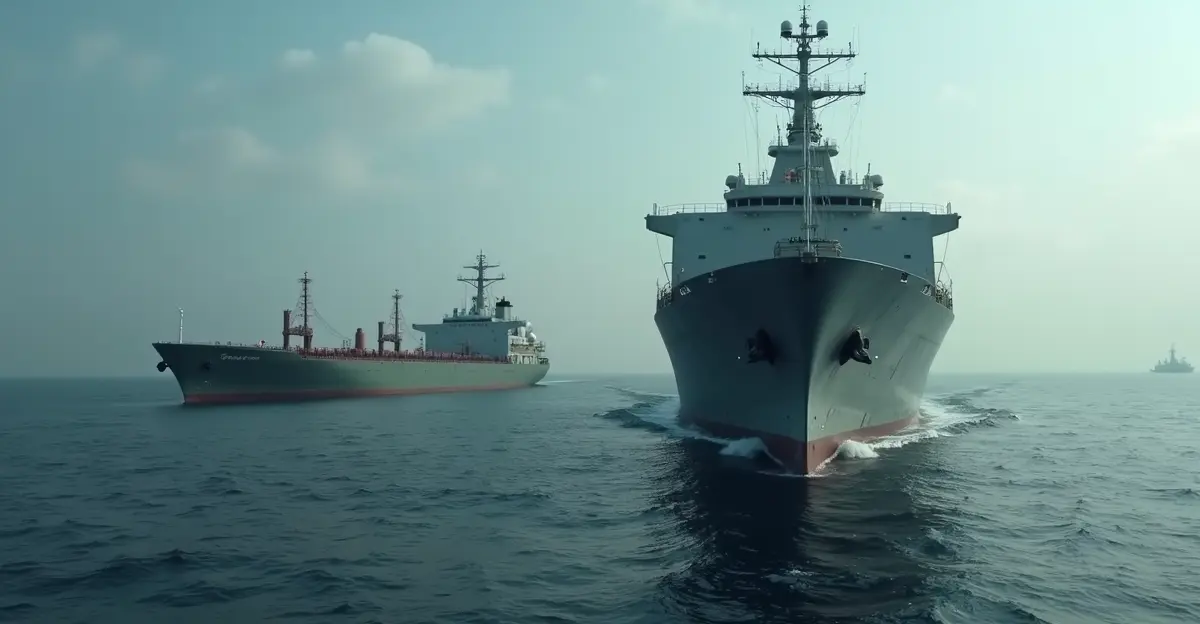
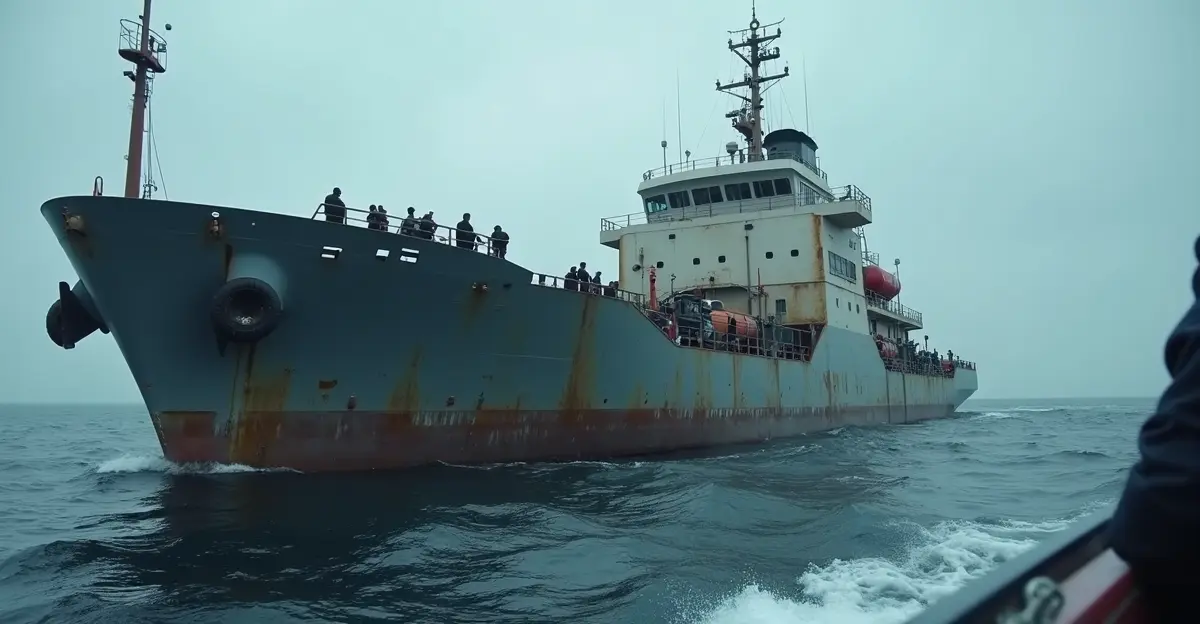
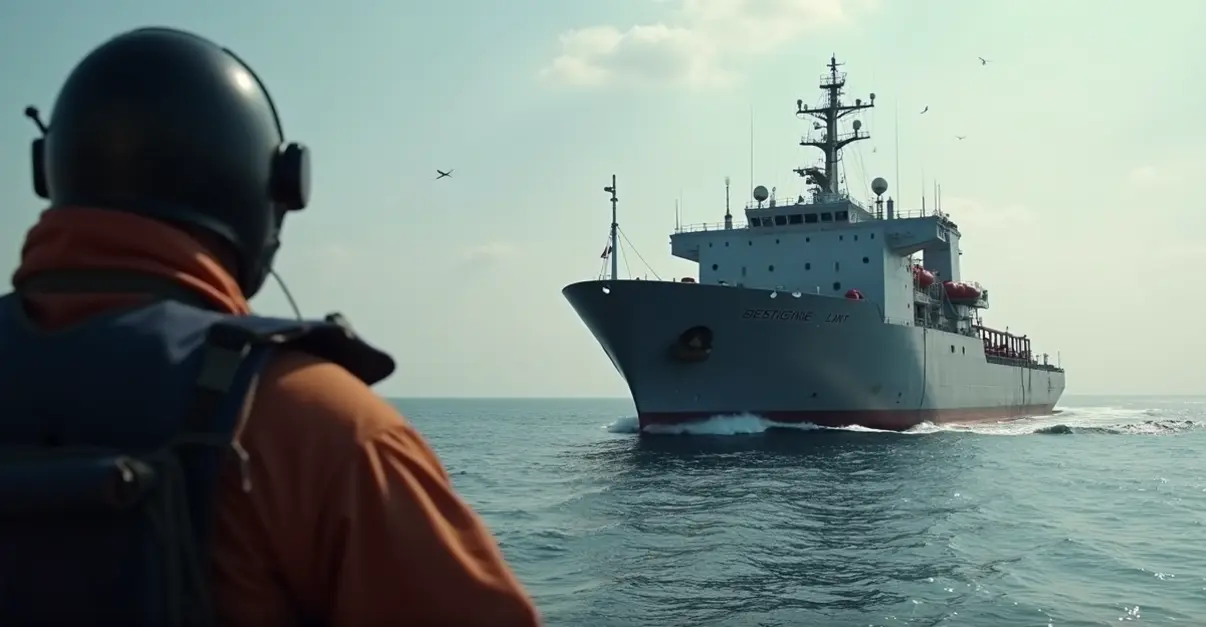
In a significant escalation of Western sanctions enforcement, the French navy has intercepted and boarded the oil tanker Deyna in the Western Mediterranean, marking the third such operation against Russia's 'shadow fleet' in recent months. The 250-meter Mozambican-flagged vessel, sailing from Murmansk, Russia, was intercepted near Spain's Balearic Islands on March 20, 2026, in a coordinated operation with British forces.
What is the Russian Shadow Fleet?
The Russian shadow fleet represents a clandestine network of hundreds of vessels operated by Russia to evade international sanctions imposed following the 2022 invasion of Ukraine. According to the International Maritime Organization's 2023 definition, shadow fleet ships are 'engaged in illegal operations for the purposes of circumventing sanctions, evading compliance with safety or environmental regulations, avoiding insurance costs, or engaging in other illegal activities.' By the end of 2022, there were over 600 ships in this fleet, with 400 being crude oil tankers, and the fleet has more than tripled in size since the war began.
How the Deyna Interception Unfolded
The French navy, acting on intelligence and in coordination with the UK's Permanent Joint Headquarters, boarded the Deyna after confirming suspicions that it was flying a false Mozambican flag to conceal its Russian connections. French President Emmanuel Macron stated on social media platform X: 'These ships, which circumvent international sanctions and violate maritime law, profit from the war. They fill their pockets and contribute to financing the Russian war effort. We cannot allow this.'
The interception followed a pattern established in January 2026 when France intercepted another shadow fleet tanker, demonstrating a systematic approach to European sanctions enforcement against Russian energy exports.
Key Tactics of Shadow Fleet Operations
- False Flag Operations: Ships sail under flags of convenience like Mozambique, Gabon, or Curaçao
- Transponder Manipulation: Automatic Identification Systems (AIS) are frequently turned off
- Ship-to-Ship Transfers: Oil transfers occur in open seas to obscure origins
- Opaque Ownership: Complex corporate structures hide true beneficial owners
- Aging Vessels: Older tankers near end-of-life are purchased cheaply
Why This Interception Matters
The Deyna interception represents more than just another sanctions enforcement action. It demonstrates several critical developments in the ongoing economic warfare against Russia:
| Aspect | Significance |
|---|---|
| Coordinated Enforcement | France-UK cooperation shows unified Western response |
| Mediterranean Focus | Targets key transit route for Russian oil to Africa/Asia |
| Third Interception | Establishes pattern of systematic enforcement |
| Political Messaging | Macron's statement reinforces commitment to Ukraine support |
According to maritime security experts, two-thirds of ships carrying Russian oil have insurers classed as 'unknown,' creating significant environmental risks. The shadow fleet's safety record has been concerning, with incidents increasing to around two per month, including groundings, collisions, fires, and engine failures.
Broader Implications for Global Shipping
The shadow fleet phenomenon has created parallel shipping markets with different standards and risks. Gabon, for instance, has more than doubled its ship registry in 2023, with an estimated 98% of its tankers considered high-risk with no identifiable owner. This creates challenges for legitimate shipping operations and increases insurance premiums for all vessels in affected regions.
France's actions follow similar operations by other European nations. In March 2026, Sweden intercepted a ship suspected of belonging to the shadow fleet, while Belgium conducted a boarding operation in early March. The United States has also been active, following tankers from the Caribbean Sea to the Indian Ocean for interception.
FAQ: Russian Shadow Fleet and Sanctions Enforcement
What is a shadow fleet?
A shadow fleet consists of vessels used to circumvent international sanctions through deceptive practices like false flags, transponder manipulation, and opaque ownership structures.
How many ships are in Russia's shadow fleet?
Estimates vary, but by December 2023, the fleet consisted of 1,100-1,400 ships, with 118 specifically sanctioned by the US, EU, or UK.
Why does France intercept these ships?
France, as part of EU sanctions enforcement, targets vessels violating restrictions on Russian oil exports to limit Russia's ability to finance its war in Ukraine.
What happens to intercepted ships?
The Deyna is being escorted to French waters for further investigation, and French authorities have filed a complaint with the public prosecutor.
Are these interceptions effective?
While individual interceptions disrupt specific shipments, the broader effectiveness depends on sustained international cooperation and closing regulatory loopholes.

Follow Discussion