


 Deutsch
 English
 Español
 Français
 Nederlands
 Português


 Share





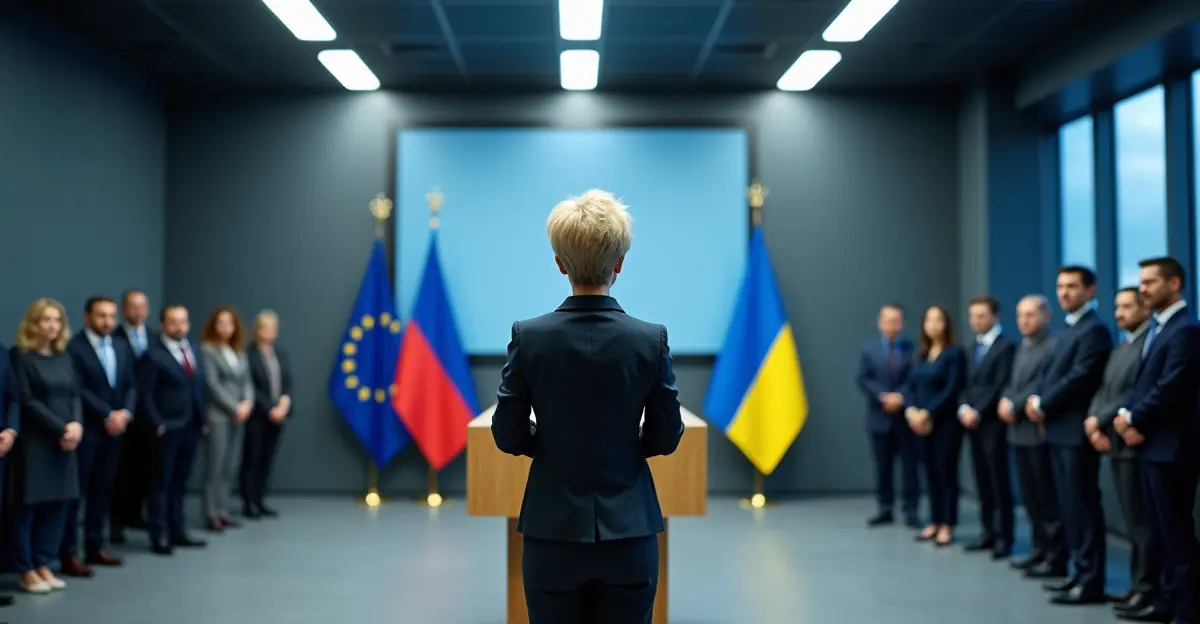
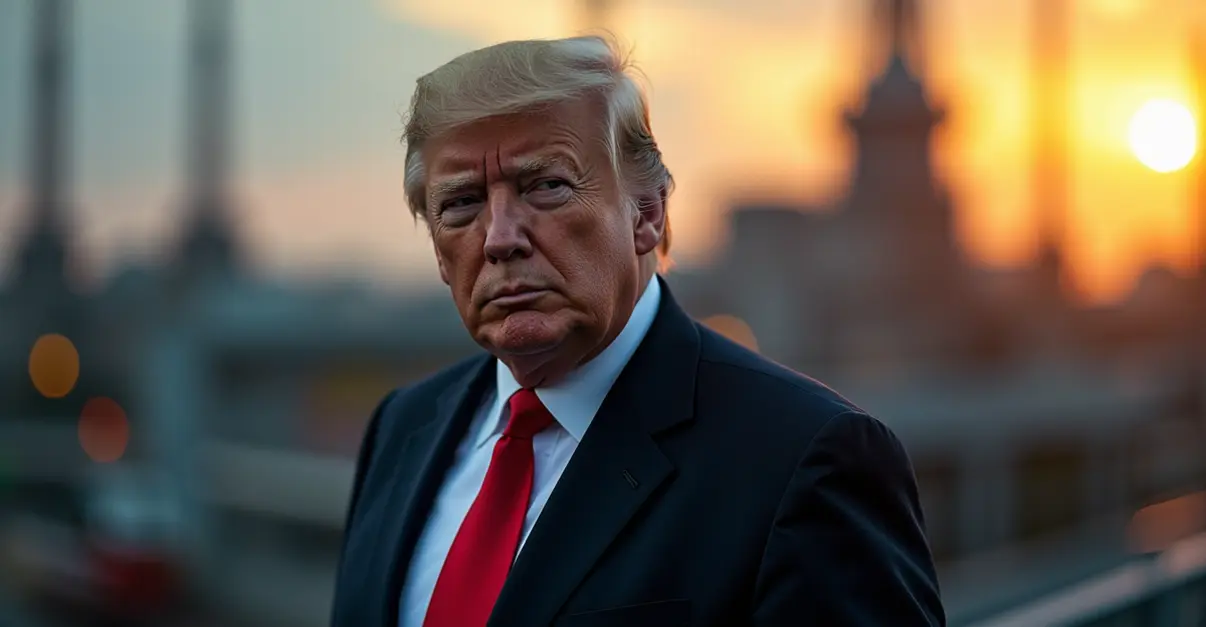
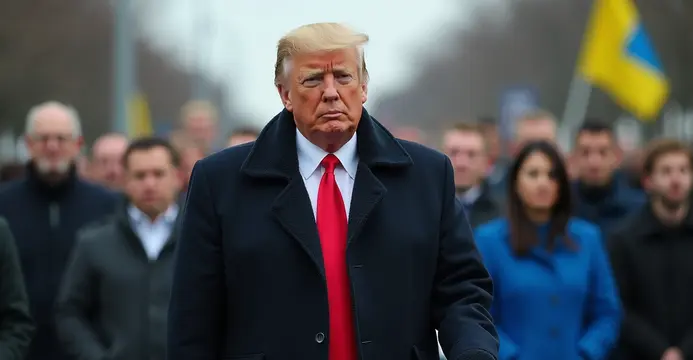
EU leaders met Ukrainian President Volodymyr Zelensky in Brussels on 16 October 2026 as European Commission President Ursula von der Leyen firmly ruled out any sanctions relief for Russia unless Moscow ends its war on Ukraine. The high-stakes summit, held on the second day of the European Council, exposed a widening transatlantic rift after US President Donald Trump renewed his criticism of Zelensky, calling him 'more difficult to deal with than Putin.'
What Was Discussed at the Brussels Summit?
The talks focused on Ukraine's winter energy needs, air defence, and a projected funding shortfall for 2027. European Council President António Costa pledged that EU support 'remains as strong as ever,' while stressing that it was no time to withdraw support or ease sanctions on Russia. Zelensky said Russia has shown no willingness to end the war and thanked EU leaders as 'real leaders.' He outlined immediate priorities: protecting the energy grid, strengthening air defences, and securing financing for 2026-2027. The EU sanctions against Russia have so far included 21 packages, and von der Leyen confirmed work on the next tranche.
Additional needs for 2026 are estimated at about €70 billion, and the EU recently transferred €2.86 billion for air defences and urgent military needs. However, EU leaders remained divided over using frozen Russian central-bank assets: Belgium opposes it, Denmark and Latvia support it, and Czech Prime Minister Andrej Babiš said a proposed €100 billion loan should sit outside the EU budget.
Why von der Leyen Refused to Lift Sanctions
Von der Leyen was blunt about Moscow's conduct. 'Russia has not respected the energy ceasefire, and now is not the time to ease sanctions,' she said, according to officials. She accused Russia of violating the US-backed energy truce and stressed that no sanctions will be lifted until Russia ends the war. The Commission is preparing a 22nd sanctions package, following the 21st EU sanctions package that targeted Russia's shadow fleet, banks and military personnel.
Earlier packages have already slowed Russia's war economy, with energy revenues down about 40% in early 2026, according to EU data. Von der Leyen argued that further pressure, not relief, is the only way to force a genuine end to the conflict.
Trump's Criticism Deepens Transatlantic Divisions
In a Newsmax interview published the same day, Trump said Zelensky is 'more difficult to deal with than Putin,' added he is 'not a big fan,' and called Ukraine's strikes on Russian oil refineries 'a disgrace.' Trump renewed calls for elections in Ukraine, which remain suspended under martial law, and defended his diesel deal with Putin, which Zelensky called a gift to Moscow. Dutch Prime Minister Rob Jetten said Trump's language was 'not right,' while von der Leyen argued that Russia had escalated and sanctions must increase.
The exchange underscores the Trump Ukraine policy shift that has alarmed European allies. Kyiv had paused refinery strikes at Washington's request, then resumed them because Moscow never stopped attacking Ukraine's energy grid. On 16 October, Ukraine struck a refinery in Russia's Ryazan Oblast, triggering a fire about 300 km southeast of Moscow.
Impact on Ukraine's Energy and Funding Needs
Zelensky's immediate asks in Brussels included a 'winter package' covering energy, air defence and financing for 2026-2027. His three core priorities were:
- Protecting Ukraine's energy system from Russian attacks
- Strengthening air defences ahead of winter
- Securing multi-year funding, including a €70 billion shortfall for 2026
The dispute over frozen assets is part of the wider debate on Ukraine energy infrastructure funding and long-term security. EU leaders also discussed Ukraine's EU accession progress, with the goal of opening the final two negotiation clusters by the end of 2026.
Frequently Asked Questions
Will the EU lift sanctions on Russia?
No. Both von der Leyen and Costa said sanctions will not be eased unless Russia ends the war, and the EU is preparing a 22nd sanctions package.
Why did Trump criticize Zelensky?
Trump accused Zelensky of driving up global fuel prices with refinery strikes and said he is more difficult to deal with than Putin, while also questioning his public support.
What are Ukraine's main asks in Brussels?
Ukraine asked for energy grid protection, stronger air defences, and funding for 2026-2027, including a winter package and help with a €70 billion shortfall.
What is the state of EU accession talks for Ukraine?
EU leaders congratulated Ukraine on passing key reforms and said the goal is to open the final two accession negotiation clusters by the end of 2026.
Conclusion
The Brussels summit reinforced EU unity on sanctions at a moment when Washington's approach is diverging sharply. With the EU preparing its 22nd sanctions package and Ukraine pressing for winter aid, the next weeks will test whether Europe can sustain its support without US backing.
Follow Discussion