


 Deutsch
 English
 Español
 Français
 Nederlands
 Português


 Share
Share




Power Grid Sabotage and Recovery in Ukraine: A Battle for Energy Infrastructure
Introduction
Ukraine's energy infrastructure has been a prime target in the ongoing conflict with Russia, with significant attacks on power grids, nuclear facilities, and heating systems. The latest wave of assaults in 2025 has left millions without electricity, highlighting the strategic importance of energy security in wartime.
Current Situation
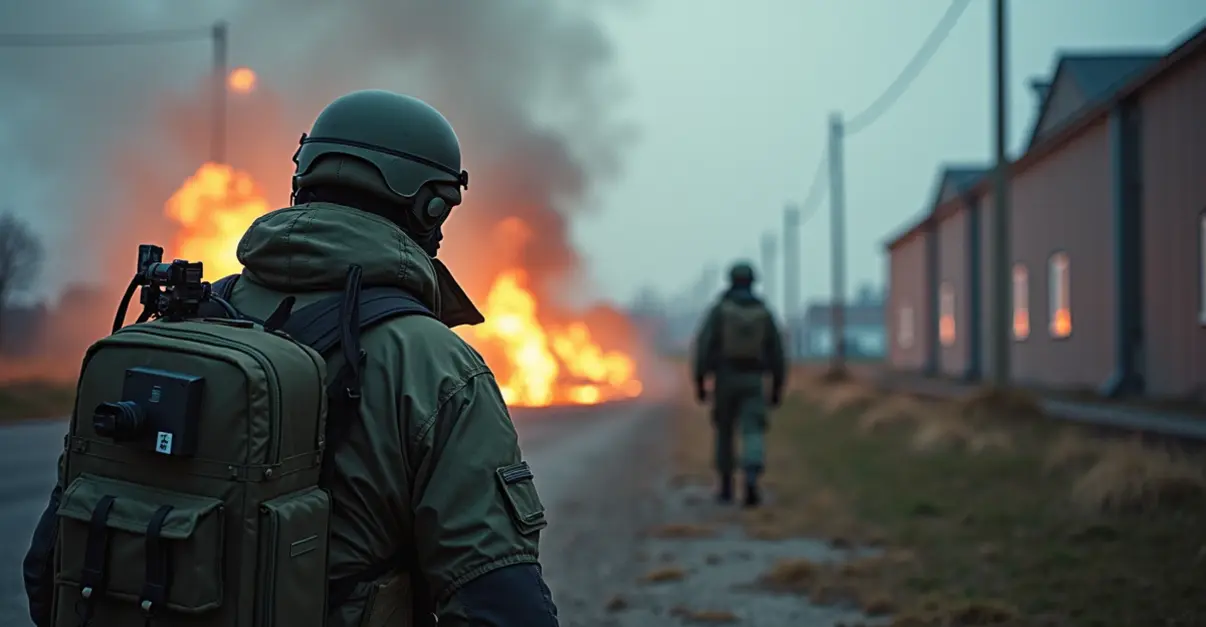
On August 26, 2025, Russia launched one of its largest aerial attacks on Ukraine, targeting energy infrastructure with over 200 missiles and drones. The capital, Kyiv, experienced its first unscheduled blackout since 2022, leaving 8 million households without power. The attacks have intensified since spring 2025, damaging half of Ukraine's power generation capacity and disrupting heating systems.
Impact on Electricity
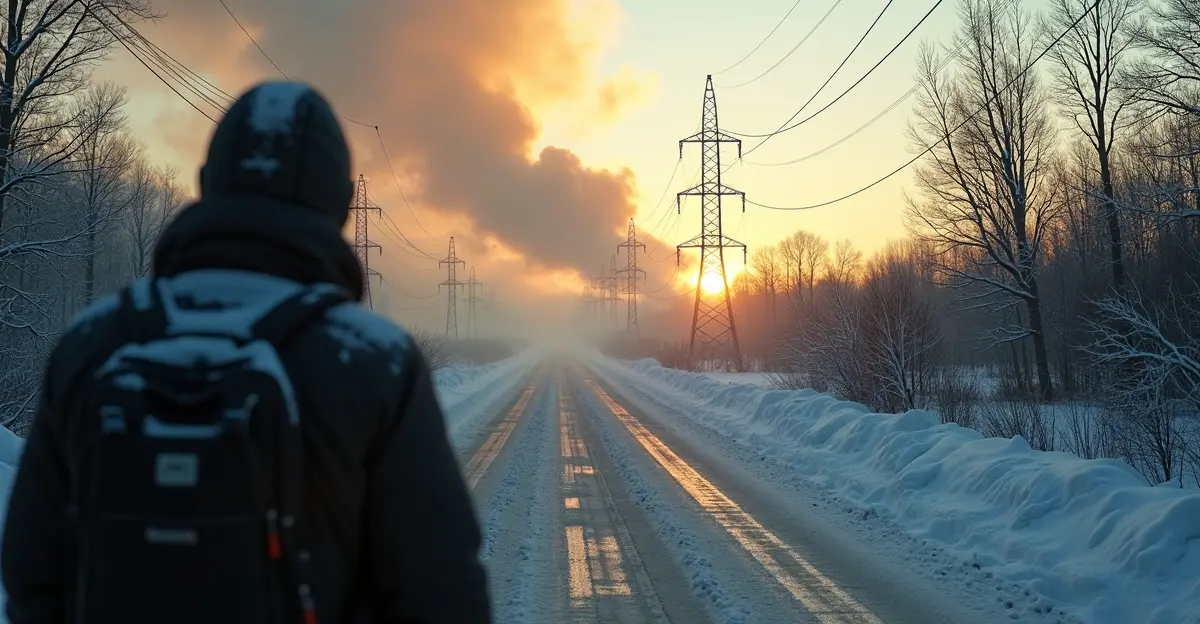
Ukraine's electricity system has suffered severe damage, with 70% of thermal generation capacity either occupied or destroyed. The Zaporizhzhia Nuclear Power Plant, Europe's largest, remains under Russian control, reducing Ukraine's power generation by 6 GW. Rolling blackouts are now a daily reality, with supply deficits reaching 2.3 GW during peak demand.
Heating and Gas Challenges
District heating networks, crucial for Ukrainian cities, have also been targeted. Over 800 boiler houses and 18 CHP plants have been damaged, leaving many without heat during harsh winters. Natural gas infrastructure has faced similar attacks, with above-ground storage facilities damaged, though underground reserves remain intact.
Recovery Efforts
Ukraine is shifting towards decentralized energy systems, including small modular gas turbines and rooftop solar, to enhance resilience. International support, such as EU-funded LED bulb replacements, has helped reduce demand. However, the cost of rebuilding is estimated at $30 billion, with immediate needs for winter preparedness.
Conclusion
The war has underscored the critical role of energy infrastructure in national security. Ukraine's efforts to rebuild and modernize its energy systems are vital for both immediate survival and long-term resilience.




Follow Discussion