


 Deutsch
 English
 Español
 Français
 Nederlands
 Português


 Share
Share




Slovakia Cuts Emergency Power to Ukraine: Energy Crisis Explained
In a dramatic escalation of tensions between neighboring nations, Slovakia has officially halted all emergency electricity supplies to Ukraine, creating a critical energy crisis that threatens Ukraine's already fragile power grid amid ongoing Russian attacks. The decision, announced by Slovak Prime Minister Robert Fico on February 23, 2026, comes as retaliation for Ukraine's failure to restore Russian oil flows through the vital Druzhba pipeline, which supplies both Slovakia and Hungary with crude oil.
What is the Druzhba Pipeline Crisis?
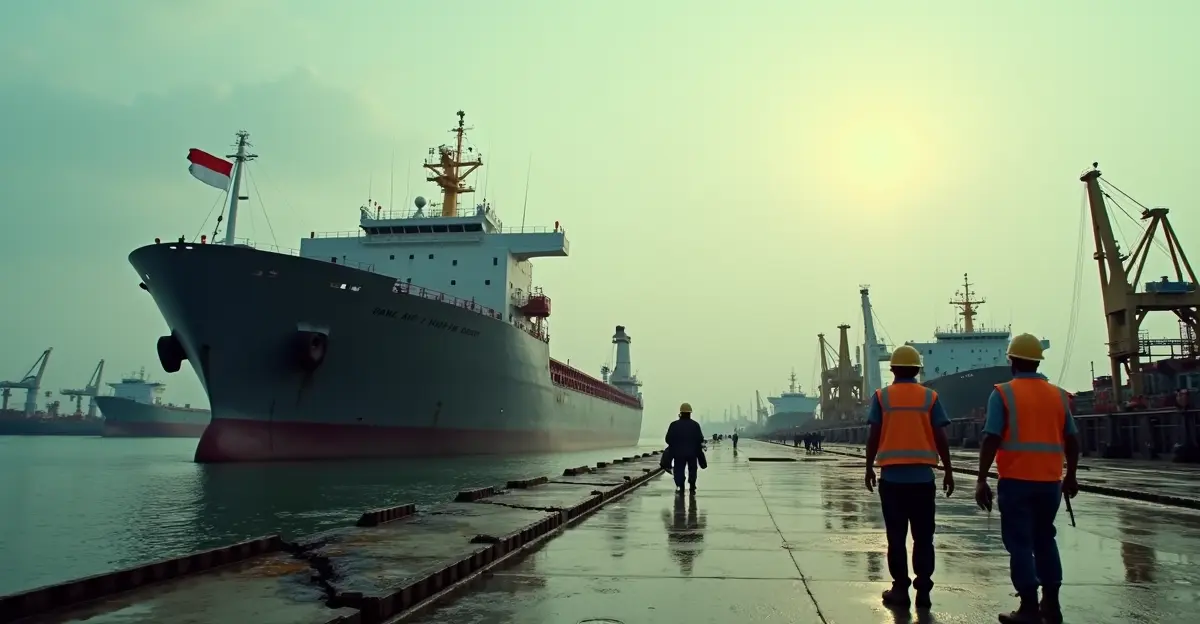
The Druzhba pipeline, also known as the Friendship Pipeline, is one of the world's longest oil pipelines stretching over 4,000 kilometers from Russia through Ukraine to several European countries. Since its construction in 1964, it has been a critical energy artery for Eastern Europe. The current crisis began on January 27, 2026, when the pipeline suffered damage in Ukrainian territory. Ukraine claims a Russian drone strike caused the damage, while Slovakia and Hungary believe Ukraine is deliberately delaying repairs to cut off Russian oil revenue.
'We will not provide emergency power to Ukraine until they restore oil flows through the Druzhba pipeline,' declared Slovak Prime Minister Robert Fico. 'If Ukraine continues to harm Slovak interests, we will reconsider our support for their EU membership.'
Why This Emergency Power Cut Matters
Ukraine's energy infrastructure has been devastated by systematic Russian attacks throughout the winter of 2026. According to UN reports, near-daily strikes have damaged energy systems in at least 17 regions, leaving millions without heat, electricity, and water during an unusually harsh winter. Ukraine has lost approximately half of its electricity generation capacity, with current capacity reduced from over 40 gigawatts before the full-scale invasion to just 12 gigawatts today.
The Critical Numbers Behind the Crisis
- 70% of Ukraine's emergency power needs were supplied by Slovakia and Hungary combined
- 45% of Ukraine's electricity imports came from Hungary alone
- 17% of Ukraine's electricity imports came from Slovakia
- 4-6 gigawatt electricity deficit during peak winter consumption
- 90 billion euro EU loan to Ukraine now blocked by Hungary
Hungary's Parallel Actions
Hungary has taken even more aggressive measures in response to the pipeline disruption. Prime Minister Viktor Orbán's government has blocked a crucial 90 billion euro EU loan package intended to help Ukraine maintain its economy and government functions. Additionally, Hungary has vetoed new EU sanctions against Russia and refused to support Ukraine's EU membership bid until oil flows resume.
The European Union faces a significant dilemma as two member states effectively hold Ukraine's energy security hostage over oil transit issues. This situation highlights the complex interdependencies in Eastern European energy markets and the ongoing challenges Ukraine faces in maintaining its power grid during wartime.
Ukraine's Energy Infrastructure Under Attack
Russia's sustained attacks on Ukraine's energy infrastructure have pushed the country's power system to the brink of collapse. In January 2026 alone, Russia launched 4,442 drones and 135 missiles at Ukrainian energy targets, according to data from Ukrainian energy think tank Green Deal Ukraina. The attacks have resulted in at least 161 civilian deaths and 757 injuries, with long-range weapons causing 39% of casualties in urban centers far from the frontline.
Ukraine's Foreign Ministry has condemned what it describes as 'ultimatums and blackmail' from Hungary and Slovakia. 'We have informed both countries about the consequences of attacks on the Druzhba pipeline infrastructure and have proposed alternative routes for supplying non-Russian oil,' stated a ministry spokesperson.
EU Response and Diplomatic Fallout
EU foreign ministers meeting in Brussels on February 23 failed to persuade Hungary to change its position on blocking both the 90 billion euro loan and new sanctions against Russia. The European Commission is now considering emergency measures to restore Russian oil flows through the damaged Druzhba pipeline, with Brussels in contact with Ukraine regarding repair timelines.
The situation represents a significant test for European unity, as Slovakia and Hungary's actions directly contradict the EU's broader support for Ukraine. The EU energy security strategy faces unprecedented challenges as member states prioritize national energy interests over collective security policy.
What Happens Next?
Ukraine faces a perfect storm of energy challenges: continued Russian attacks on its power infrastructure, the loss of emergency power from Slovakia, and blocked financial support from the EU due to Hungarian vetoes. The country is considering activating the Early Warning Mechanism under the EU-Ukraine Association Agreement in response to what it calls 'unfounded and irresponsible threats.'
Meanwhile, the global energy market volatility continues to impact European energy security, with Slovakia and Hungary exploring alternative supply routes including importing Russian crude via Croatia's Adria pipeline. The Druzhba pipeline was exempted from EU sanctions to give landlocked Central European countries time to find alternatives, but the current crisis shows how vulnerable this arrangement remains.
FAQ: Slovakia-Ukraine Energy Crisis
Why did Slovakia cut emergency power to Ukraine?
Slovakia halted emergency electricity supplies to Ukraine because Ukraine hasn't restored Russian oil flows through the Druzhba pipeline, which supplies Slovakia with crude oil.
How much of Ukraine's emergency power came from Slovakia?
Slovakia provided approximately 17% of Ukraine's electricity imports, with Hungary providing 45%. Together they covered 70% of Ukraine's emergency power needs.
What is the Druzhba pipeline?
The Druzhba pipeline is a 4,000-kilometer oil pipeline from Russia through Ukraine to several European countries, including Slovakia and Hungary. It has operated since 1964.
Why is Hungary blocking EU aid to Ukraine?
Hungary is blocking a 90 billion euro EU loan to Ukraine and new sanctions against Russia until oil flows through the Druzhba pipeline resume.
How damaged is Ukraine's energy infrastructure?
Ukraine has lost about half its electricity generation capacity due to Russian attacks, with current capacity reduced from over 40 gigawatts to just 12 gigawatts.



Follow Discussion