


 Deutsch
 English
 Español
 Français
 Nederlands
 Português


 Share
Share




Hungary Suspends Gas to Ukraine: Complete Guide to Druzhba Pipeline Dispute 2026
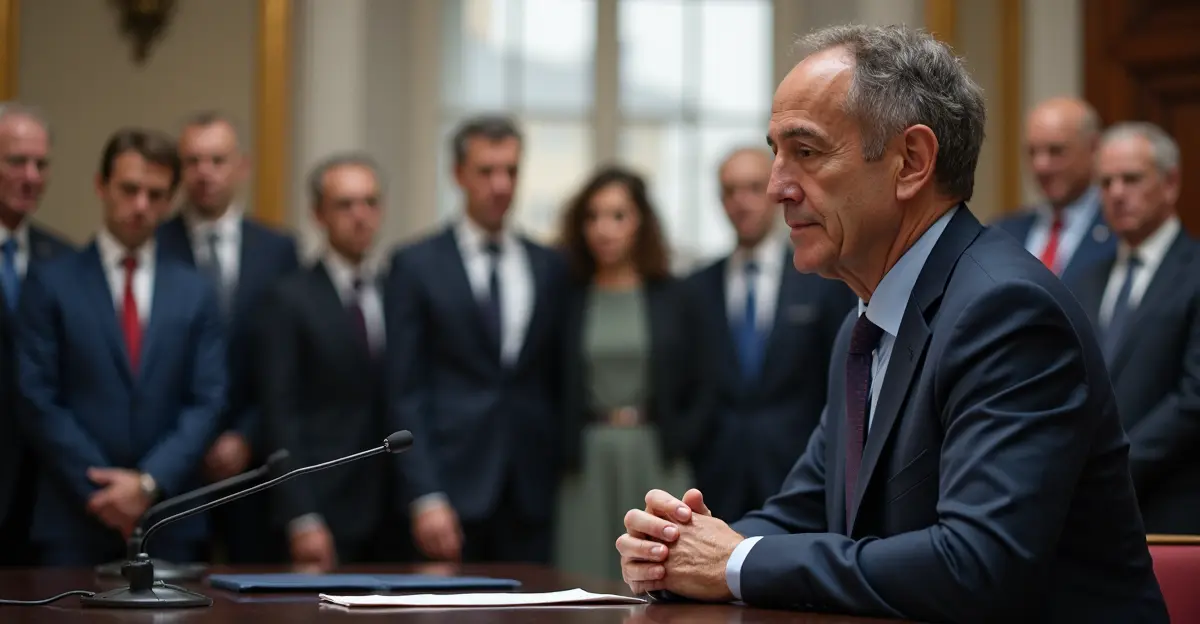
Hungary has announced it will gradually suspend natural gas deliveries to Ukraine until Russian oil flows resume through the damaged Druzhba pipeline, escalating a major energy dispute that threatens Ukraine's energy security and European Union unity. Prime Minister Viktor Orbán made the declaration on March 25, 2026, marking the latest chapter in a growing conflict between Budapest and Kyiv over critical energy infrastructure damaged during Russia's ongoing war in Ukraine.
What is the Druzhba Pipeline Dispute?
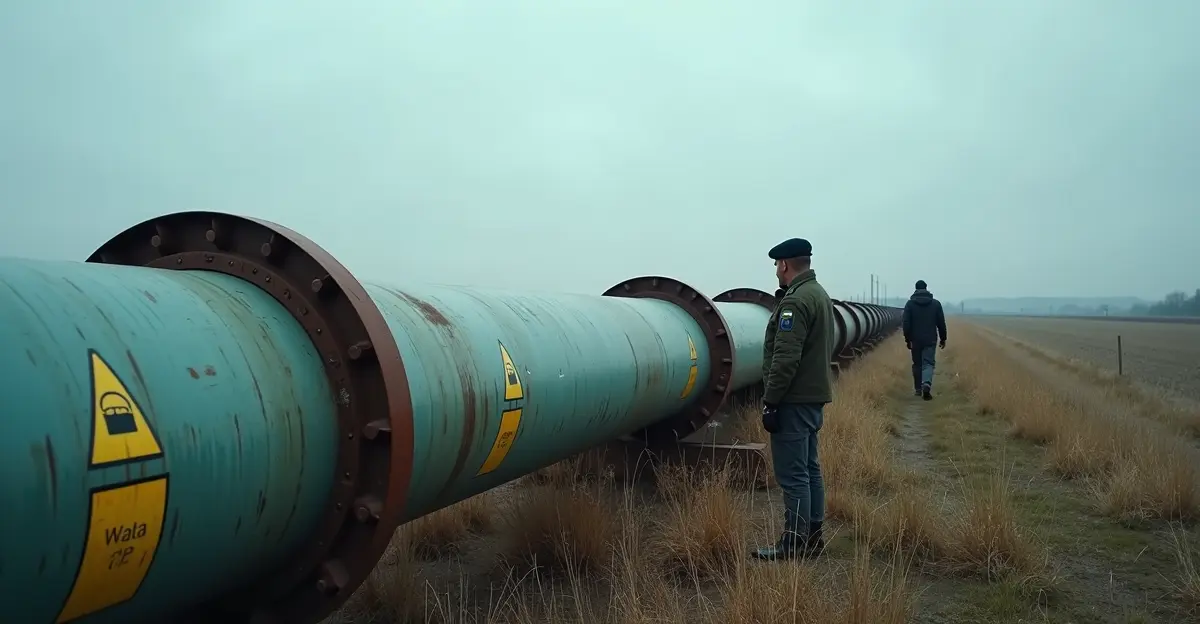
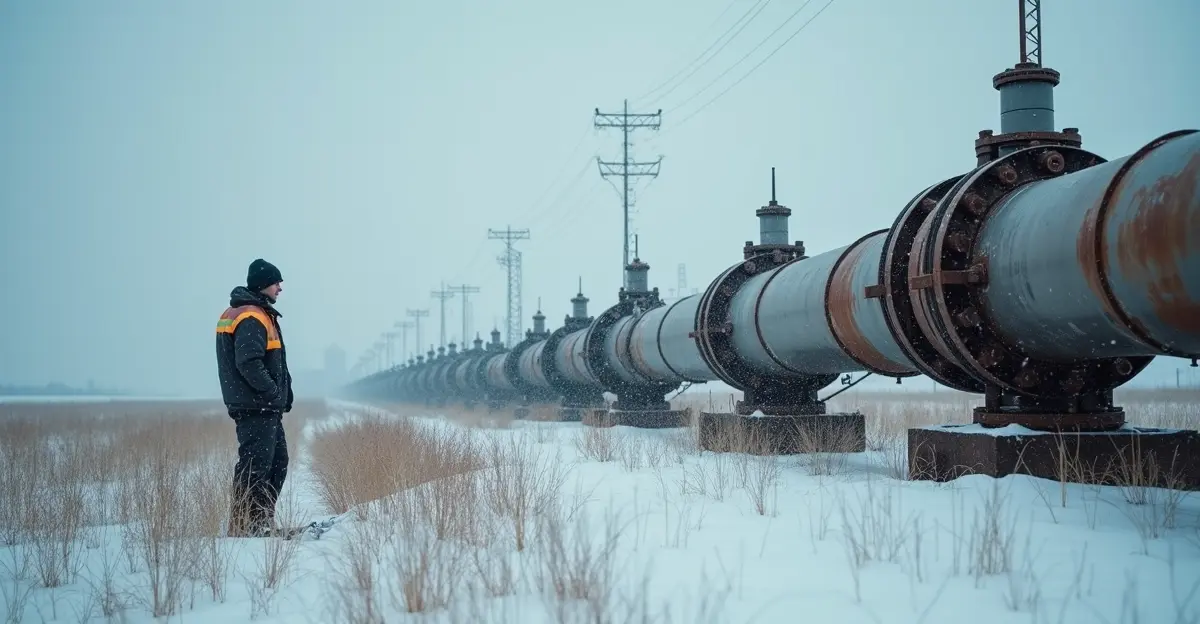
The Druzhba pipeline, also known as the Friendship Pipeline, is one of the world's longest oil pipelines, stretching over 4,000 kilometers from Russia through Belarus and Ukraine to supply Hungary, Slovakia, and other European nations. On January 27, 2026, the pipeline suffered significant damage near Ukraine's Brody oil hub, which Ukraine attributes to a Russian drone strike. Since then, oil flows to Hungary and Slovakia have been completely halted, creating what Orbán calls "Ukrainian blackmail" and triggering retaliatory measures.
Hungary and Slovakia, both heavily dependent on Russian crude for their refineries, accuse Ukraine of intentionally blocking repairs to prevent Russia from funding its war effort. "Zolang Oekraïne geen olie levert, zal het geen gas uit Hongarije ontvangen," Orbán stated in a social media video, translating to "As long as Ukraine doesn't supply oil, it will receive no gas from Hungary."
Energy Security Implications for Ukraine
Ukraine's Gas Dependency
Ukraine relies on Hungary for approximately 45% of its natural gas imports, a dependency that has grown significantly since 2022 when Hungary's share was just 2.5%. This suspension threatens Ukraine's energy stability as it enters the final weeks of winter heating season. The European energy security crisis has made alternative sourcing difficult, though Ukrainian officials claim they have backup supplies available.
Economic and Military Consequences
The timing is particularly sensitive as Ukraine faces financial pressures. Orbán has also blocked a crucial €90 billion EU loan package to Ukraine, citing the pipeline dispute as justification. This dual pressure—cutting both energy and financial support—creates what EU leaders call an "unacceptable" situation that undermines Ukraine's defense capabilities against Russian aggression.
Political Context: Hungarian Elections and EU Relations
Domestic Politics Driving Decisions
Orbán faces national elections on April 12, 2026, with pro-European challenger Péter Magyar leading in most opinion polls. The pipeline dispute has become a central campaign issue, allowing Orbán to position himself as defending Hungarian interests against both Ukraine and the European Union. "We will use this gas to replenish our own reserves," Orbán declared, framing the suspension as necessary for national energy security.
EU Unity Under Strain
The dispute has exposed deep divisions within the European Union. Hungary's veto of the €90 billion loan package—agreed upon by 25 of 27 EU members—has frustrated leaders across the bloc. The European Commission has requested clarification after revelations that Hungary's foreign minister regularly updated his Russian counterpart about EU negotiations, despite Russia's ongoing invasion of Ukraine.
Technical Details: The Druzhba Pipeline System
The Druzhba pipeline represents critical energy infrastructure with complex geopolitical implications:
| Pipeline Section | Countries Served | Current Status | Impact |
|---|---|---|---|
| Southern Branch | Hungary, Slovakia | Damaged since Jan 27, 2026 | Complete halt of Russian oil |
| Northern Branch | Poland, Germany | Operational with Kazakh oil | Functioning normally |
| Ukrainian Transit | Transit route only | Damage at Brody hub | Repairs disputed |
Both Hungary and Slovakia have declared national energy emergencies and turned to Croatia's Adria pipeline as an alternative, though they complain about fees three times higher than European averages.
Regional Impact and Broader Implications
The suspension creates a dangerous precedent for energy weaponization in Europe. Slovakia has already implemented retaliatory measures including suspending diesel exports and terminating emergency electricity supplies to Ukraine. The situation highlights how energy infrastructure vulnerabilities can be exploited during conflicts, with potentially cascading effects across European energy markets.
Russia faces its most severe oil supply disruption in modern history, with at least 40% of export capacity offline due to Ukrainian drone attacks, pipeline damage, and seized tankers. This creates complex interdependencies where actions against Russian energy exports inadvertently affect European allies.
Frequently Asked Questions (FAQ)
Why is Hungary suspending gas to Ukraine?
Hungary is suspending natural gas deliveries to Ukraine in retaliation for what it claims is Ukraine's intentional blocking of Russian oil flows through the damaged Druzhba pipeline. Prime Minister Orbán calls this "Ukrainian blackmail" and says gas will resume only when oil deliveries restart.
How much does Ukraine depend on Hungarian gas?
Ukraine relies on Hungary for approximately 45% of its natural gas imports as of 2025, up from just 2.5% in 2022. This makes Ukraine vulnerable to supply cuts, particularly during winter months.
What is the EU's position on this dispute?
The European Union has expressed frustration with Hungary's actions, particularly its veto of a €90 billion loan to Ukraine. EU leaders call the veto "unacceptable" and accuse Hungary of using its veto power for political purposes unrelated to EU solidarity.
When will the Druzhba pipeline be repaired?
Repair timelines remain uncertain. Ukraine claims the damage resulted from Russian military strikes and requires extensive repairs, while Hungary and Slovakia accuse Ukraine of delaying repairs intentionally. Investigations into the damage are ongoing.
What are the election implications in Hungary?
With elections scheduled for April 12, 2026, Prime Minister Orbán is using the pipeline dispute to bolster his nationalist credentials against pro-European challenger Péter Magyar, who leads in most opinion polls.


Follow Discussion