


 Deutsch
 English
 Español
 Français
 Nederlands
 Português


 Share
Share




Ukraine Faces Worst Winter Energy Crisis Since War Began
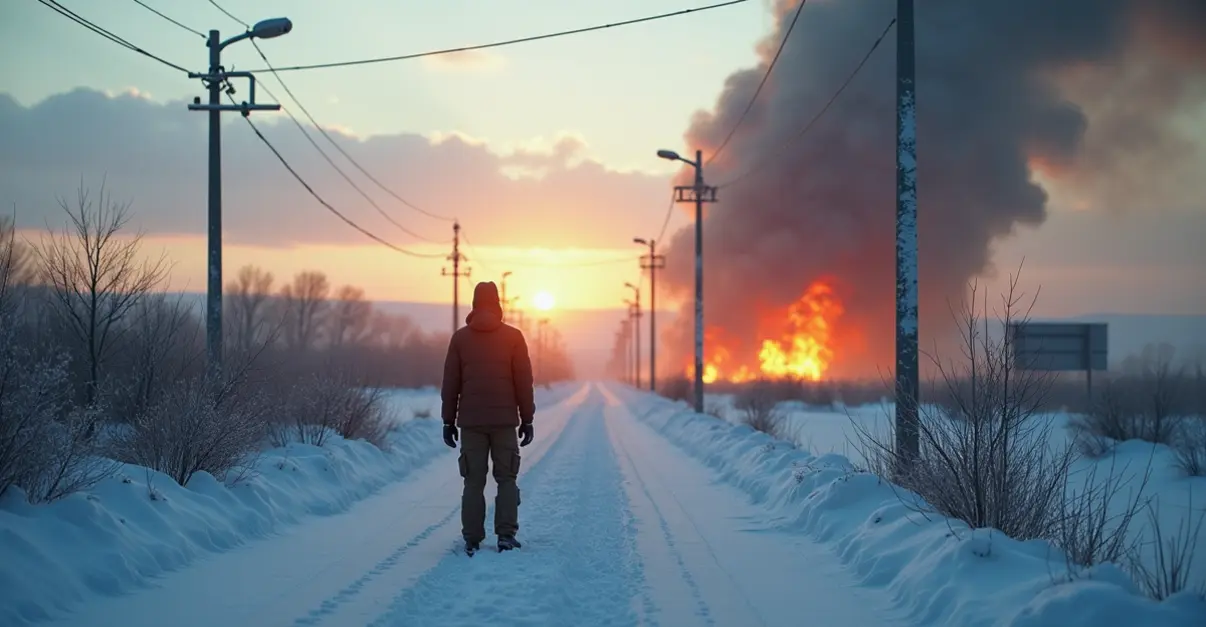
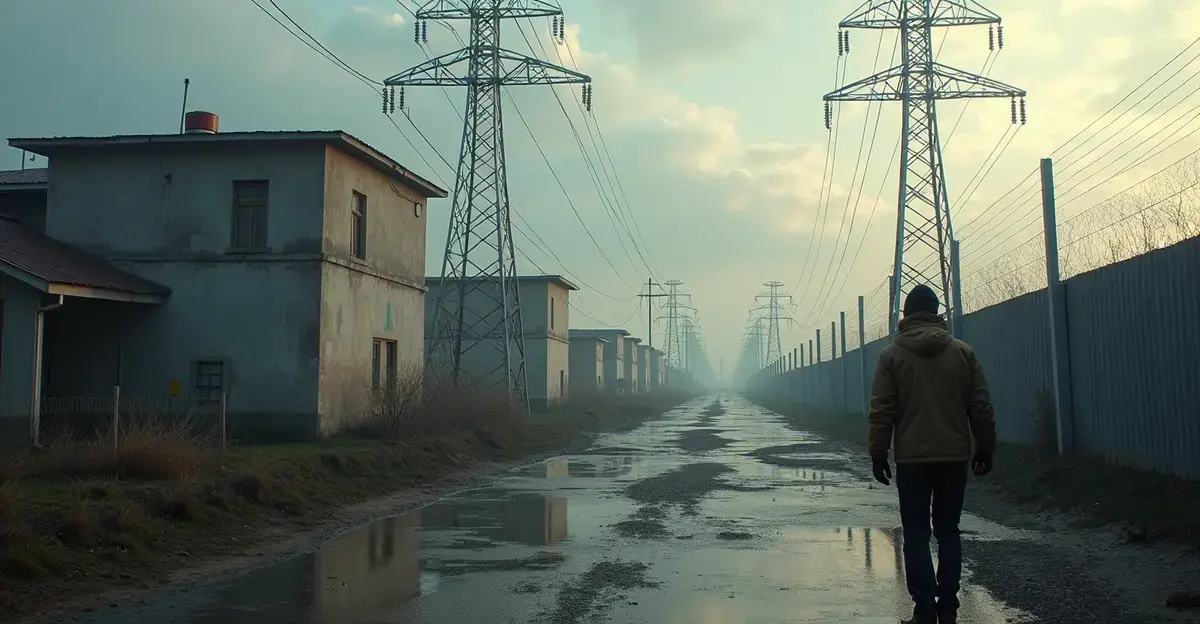
Ukraine is grappling with its most severe energy crisis since Russia's full-scale invasion began in 2022, with the country now able to generate only 60% of its electricity needs amid relentless Russian attacks on energy infrastructure. Energy Minister Denys Shmyhal revealed the dire situation in a parliamentary address, warning that 'not a single power plant left in Ukraine has escaped Russian attacks' as temperatures plummet to -20°C (-4°F) at night.
Critical Situation in Major Cities
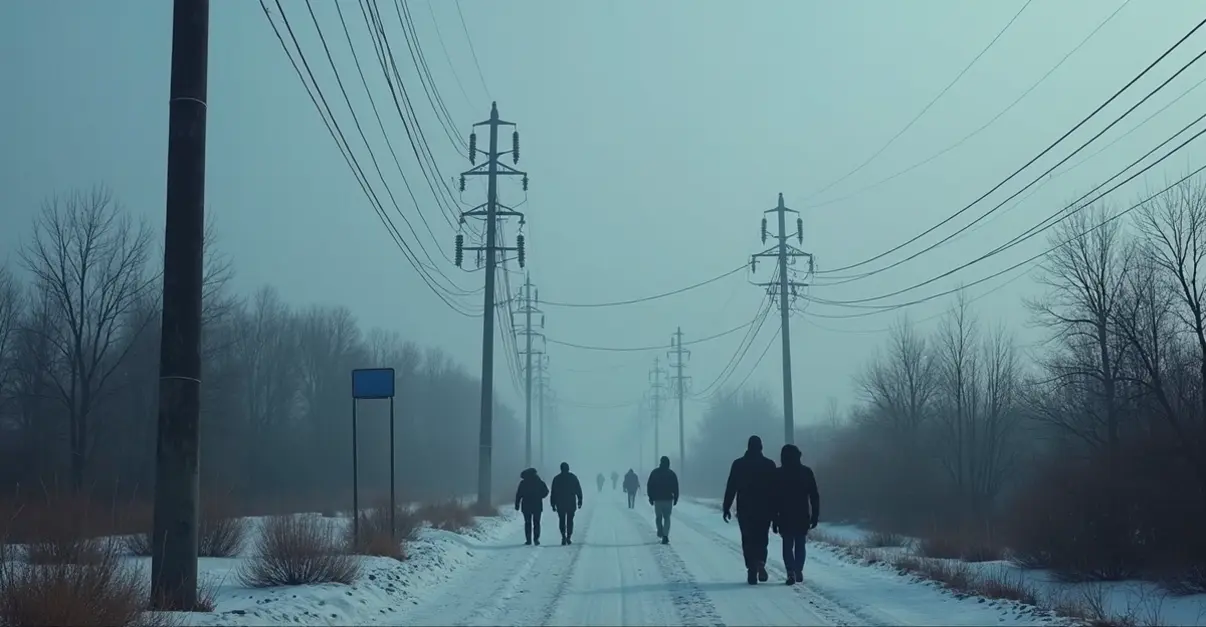
The most affected areas include Kyiv, Kharkiv, Odesa, and frontline towns where residents face days without heat or power during the coldest winter in years. According to Al Jazeera reports, Kyiv Mayor Vitali Klitschko stated the capital has only half the electricity needed for its 3.6 million residents, marking the first time in the city's history that most residents lack heating during severe frosts.
President Volodymyr Zelensky disclosed that electricity generation capacity was just 11 gigawatts on January 15, while the country needs 18 gigawatts to function normally. 'The intensity of attacks is only increasing,' Shmyhal told lawmakers, emphasizing that Russia's systematic targeting of energy facilities represents a deliberate strategy to break Ukrainian resistance during winter months.
International Response and Emergency Measures
The British government has pledged an additional £20 million (approximately €23 million) for energy infrastructure repairs, announced during a visit marking the UK-Ukraine partnership anniversary. Norway has offered a $200 million grant to address the emergency, while Ukraine has sharply increased electricity imports from European Union countries.
However, Ukraine faces limitations with maximum import capacity of only about 2.3 gigawatts, insufficient to cover the massive shortfall. The country has implemented emergency measures including public heating centers, reduced curfews, extended school holidays, and urged businesses to conserve electricity.
Diplomatic Efforts and Security Guarantees
As the energy crisis deepens, a Ukrainian delegation is traveling to Washington for critical talks on security guarantees and an $800 billion post-war recovery package. According to The Star reports, President Zelensky hopes agreements could be signed during the World Economic Forum in Davos next week.
Zelensky has repeatedly requested more air defense ammunition from Western allies, revealing that some Ukrainian air defense systems were out of missiles until recent shipments arrived. 'Russian attacks on our energy infrastructure show that Russia does not want peace at this moment,' Zelensky stated, criticizing Moscow's claims of readiness for peace negotiations.
Humanitarian Impact and Winter Challenges
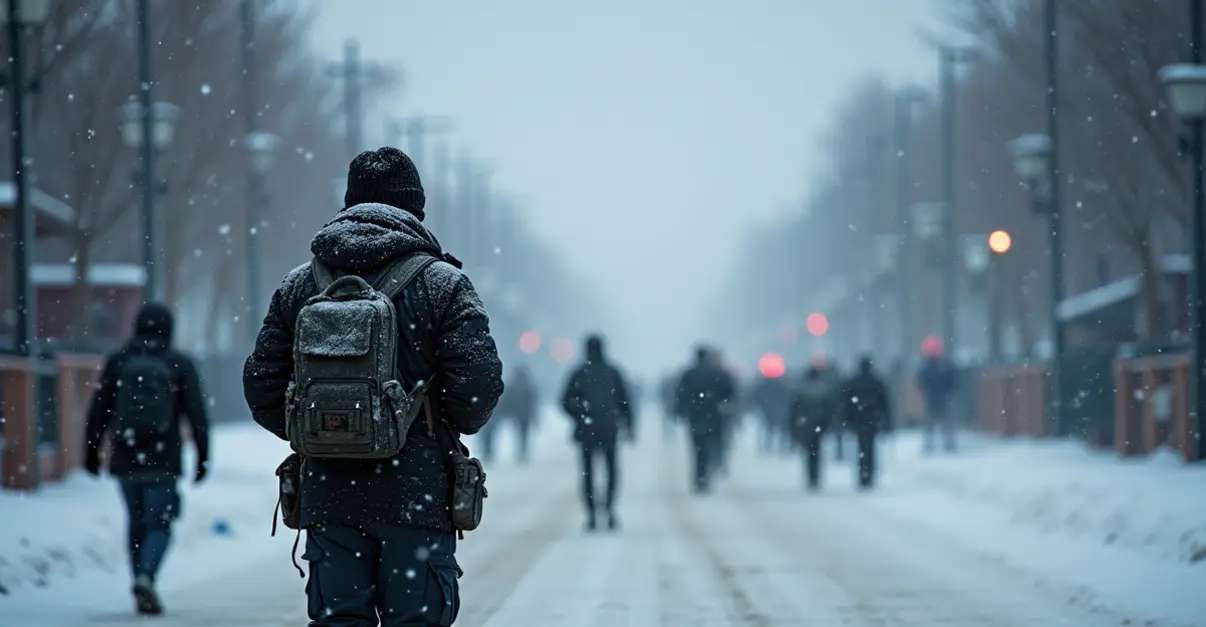
The United Nations has warned that Russian attacks have deprived millions of Ukrainians of electricity, heating, and water, with the elderly, children, and disabled most affected. The International Red Cross called this the hardest winter since the conflict escalated, with temperatures expected to remain between -8°C (18°F) during the day and -20°C (-4°F) at night for weeks.
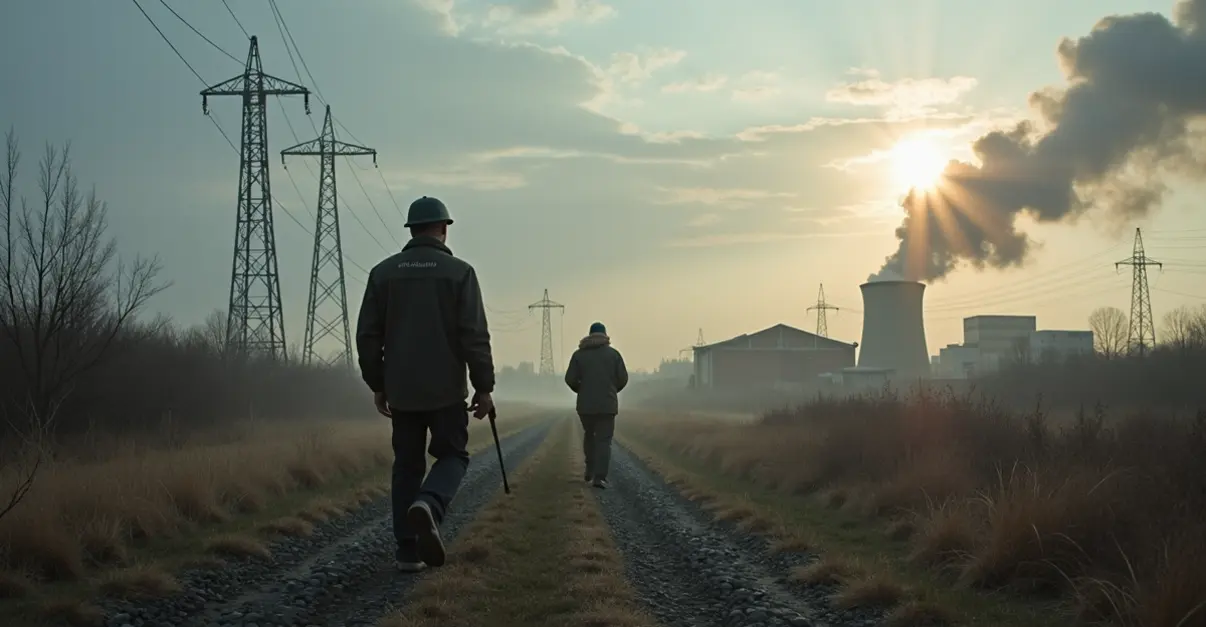
Kharkiv suffered a particularly devastating attack that destroyed a major energy facility, leaving 400,000 people without power. Ukraine's fuel reserves are reportedly sufficient for only 20 days, adding to the urgency of the situation as the country scrambles to install up to 2.7 gigawatts of new generation capacity by year's end.
Follow Discussion