


 Deutsch
 English
 Español
 Français
 Nederlands
 Português


 Share
Share




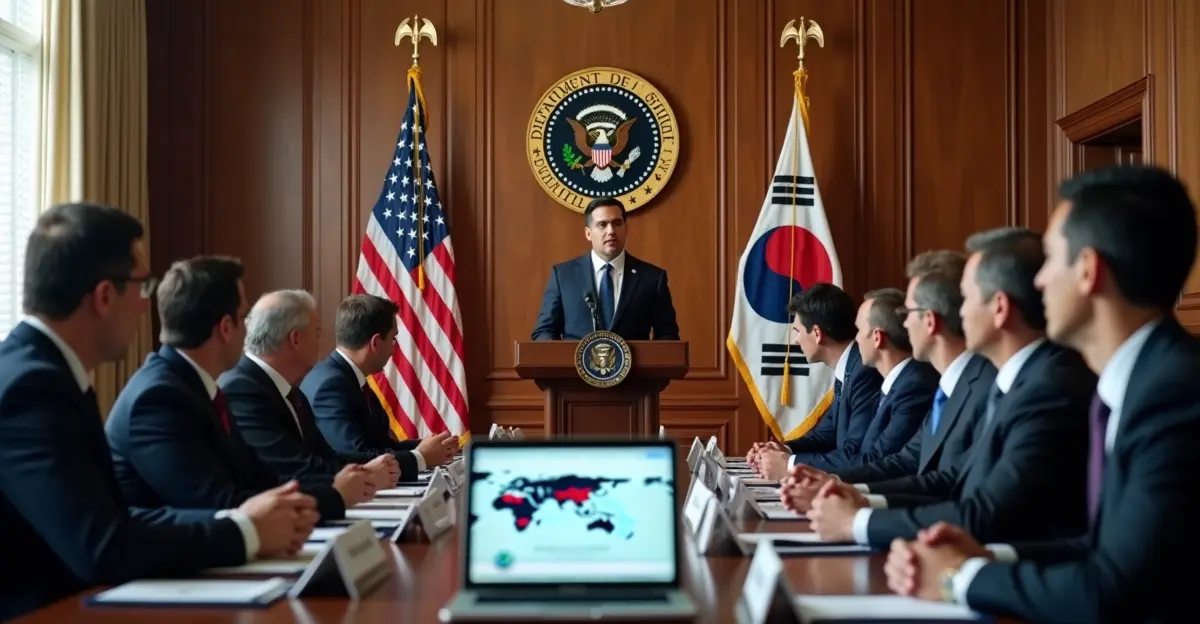
On February 4, 2026, the United States convened representatives from 54 nations and the European Commission for the inaugural Critical Minerals Ministerial in Washington, D.C. The event marked a decisive inflection point in global resource competition, launching the Forum on Resource Geostrategic Engagement (FORGE) — a preferential trade-and-investment bloc designed to counter China's near-total control of rare earth processing. With over $30 billion mobilized in loans and investments, 11 new bilateral frameworks signed, and a $10 billion strategic reserve project underway, this initiative represents the most ambitious Western countermove in critical minerals since the Cold War.
What Is FORGE and Why Does It Matter?
FORGE, chaired by South Korea, succeeds the Minerals Security Partnership (MSP) and shifts from bilateralism to plurilateralism. The forum aims to create a coordinated system linking bilateral deals into a functioning preferential zone covering two-thirds of the global economy. Key features include coordinated price floors to counter adversarial market manipulation, adjustable tariffs to maintain pricing integrity, and stable investment conditions for mining projects. Vice President JD Vance emphasized that price stability is essential for sustained private sector investment, citing examples of mine closures due to low prices. The Minerals Security Partnership transition reflects a recognition that meaningful market influence requires collective scale among major consuming and producing countries.
The $30 Billion Mobilization: Project Vault and Bilateral Frameworks
The U.S. government announced over $30 billion in letters of interest, investments, and loans for critical mineral projects. The centerpiece is Project Vault, a $10 billion Export-Import Bank initiative to establish a domestic strategic reserve for critical minerals — the largest EXIM loan in history. Additionally, 11 new bilateral critical minerals frameworks were signed with countries including Argentina, Morocco, the Philippines, Peru, and the UAE, bringing the total to 21 deals in five months. The U.S.-Mexico agreement notably took a trade-centered approach through a Critical Minerals Action Plan, signaling a preference for bilateral cooperation over trilateral USMCA coordination. These bilateral critical minerals agreements aim to diversify supply chains away from Chinese dominance.
China's Grip: The 15th Five-Year Plan and Price Spikes
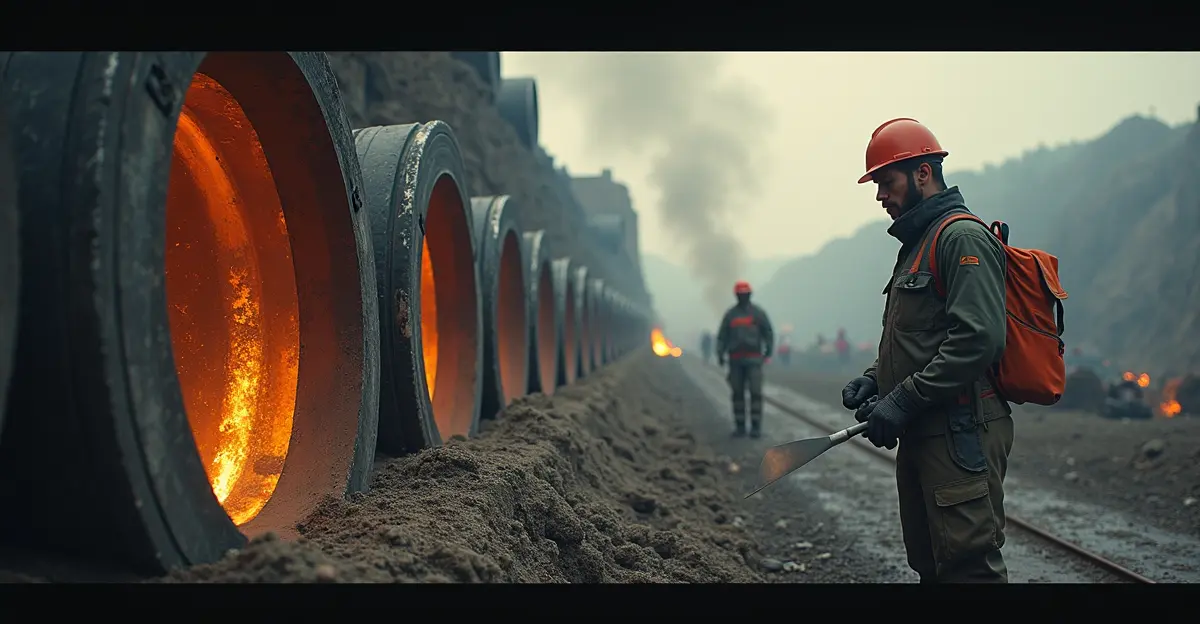
China controls 85–90% of global rare earth processing and 99% of heavy rare earth refining. Its 15th Five-Year Plan (2026–2030) tightens this grip through vertical integration, export controls (covering 12 of 17 rare earth elements since October 2025), and a licensing system that differentiates approvals based on diplomatic alignment. China has invested $57 billion since 2000 in rare earths, compared to just $2 billion combined by the U.S. and EU. The result has been sixfold price spikes on key minerals, destabilizing global markets. Western projects are not expected to scale until ~2035, by which time China's processing share could exceed 90%. Analysts warn there is a narrow 12–18 month window to lock in alternative supply chains before vulnerabilities become entrenched. The China rare earth export controls 2025 have already triggered supply disruptions for defense and green energy industries worldwide.
Price Floors and the Preferential Trading Bloc
A central discussion at the ministerial was addressing price volatility through potential price floors and a preferential trading bloc with enforceable benchmarks. Vice President Vance described using adjustable tariffs and reference prices to ensure stable investment conditions. The concept mirrors mechanisms used in agricultural markets, where minimum prices guarantee producer viability. For critical minerals, price floors would protect against Chinese state-subsidized dumping that has historically driven Western miners out of business. The critical minerals price floor mechanism is designed to create a predictable investment environment, encouraging private capital to flow into mining and processing projects across the FORGE member nations.
Expert Perspectives and Industry Response
"FORGE represents a fundamental shift from the reactive, project-by-project approach of the MSP to a proactive, system-building strategy," said a senior Atlantic Council analyst. "The question is whether the architecture can be built fast enough to outpace China's deepening control." The private sector engagement included Pax Silica and a mining industry task force to advance priority projects. However, operational details on enforcement mechanisms and membership criteria remain to be determined. The CSIS noted that while the ministerial produced significant announcements, implementation timelines and binding commitments are still unclear.
FAQ
What is FORGE in critical minerals?
FORGE (Forum on Resource Geostrategic Engagement) is a plurilateral trade-and-investment bloc launched in February 2026, chaired by South Korea, to coordinate critical minerals supply chains among allied nations and counter China's dominance.
How much money has been mobilized for critical minerals?
Over $30 billion in loans, investments, and letters of interest have been announced, including $10 billion for Project Vault, a domestic strategic reserve backed by the U.S. Export-Import Bank.
What is China's share of rare earth processing?
China controls 85–90% of global rare earth processing and 99% of heavy rare earth refining, with its 15th Five-Year Plan further consolidating this dominance.
Why are price floors important for critical minerals?
Price floors protect against Chinese state-subsidized dumping, ensuring stable investment conditions for Western mining projects and preventing mine closures due to artificially low prices.
What is the 12–18 month window?
Analysts warn that the next 12–18 months are critical to lock in alternative supply chains before China's control becomes entrenched, with Western projects not expected to scale until ~2035.
Conclusion and Future Outlook
The February 2026 Critical Minerals Ministerial and FORGE launch mark a decisive inflection point in the resource competition between China and the West. Supply chain decisions made in the next 12–18 months will shape global energy security and technological sovereignty for decades. While the $30 billion mobilization and 21 bilateral frameworks represent unprecedented Western coordination, the success of FORGE will depend on translating plurilateral agreements into enforceable mechanisms and attracting sufficient private investment. The global critical minerals supply chain 2026 landscape is being reshaped in real time, with implications for everything from electric vehicles to defense systems.



Follow Discussion