


 Deutsch
 English
 Español
 Français
 Nederlands
 Português


 Share
Share




In February 2026, the global competition for critical minerals—rare earths, lithium, cobalt, and copper—escalated into a defining geopolitical struggle. The United States launched Project Vault, a $10 billion domestic strategic reserve, and hosted the 54-nation Critical Minerals Ministerial that established FORGE (Forum on Resource Geostrategic Engagement) to replace the Minerals Security Partnership. Simultaneously, China's 15th Five-Year Plan tightened its grip on processing and export controls, triggering price spikes of up to sixfold for key materials. This article analyzes how the scramble for strategic mineral sovereignty is reshaping alliances, industrial policy, and national security strategies from Washington to Beijing.
What Is Driving the Critical Minerals Arms Race?
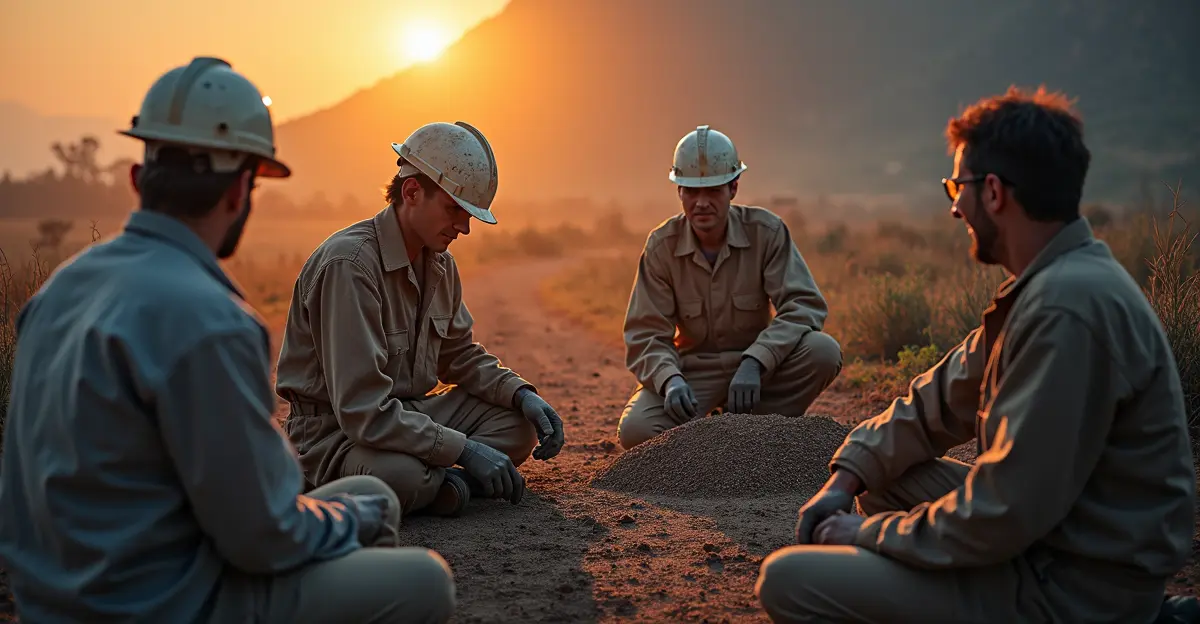
The critical minerals arms race is fueled by surging demand for materials essential to energy transition technologies, defense systems, and advanced electronics. Lithium demand grew nearly 30% in 2024 alone, while rare earth elements—vital for permanent magnets in EVs and wind turbines—remain dominated by Chinese processing. According to a multi-institutional analysis published in early 2026, China controls 90% of global rare earth processing, 80% of tungsten, and 60% of antimony. This concentration creates acute vulnerabilities for Western economies, which rely on these inputs for everything from F-35 fighter jets to iPhone batteries. The geopolitical risks of mineral dependency have pushed critical minerals to the top of national security agendas.
Project Vault: America's $10 Billion Strategic Reserve
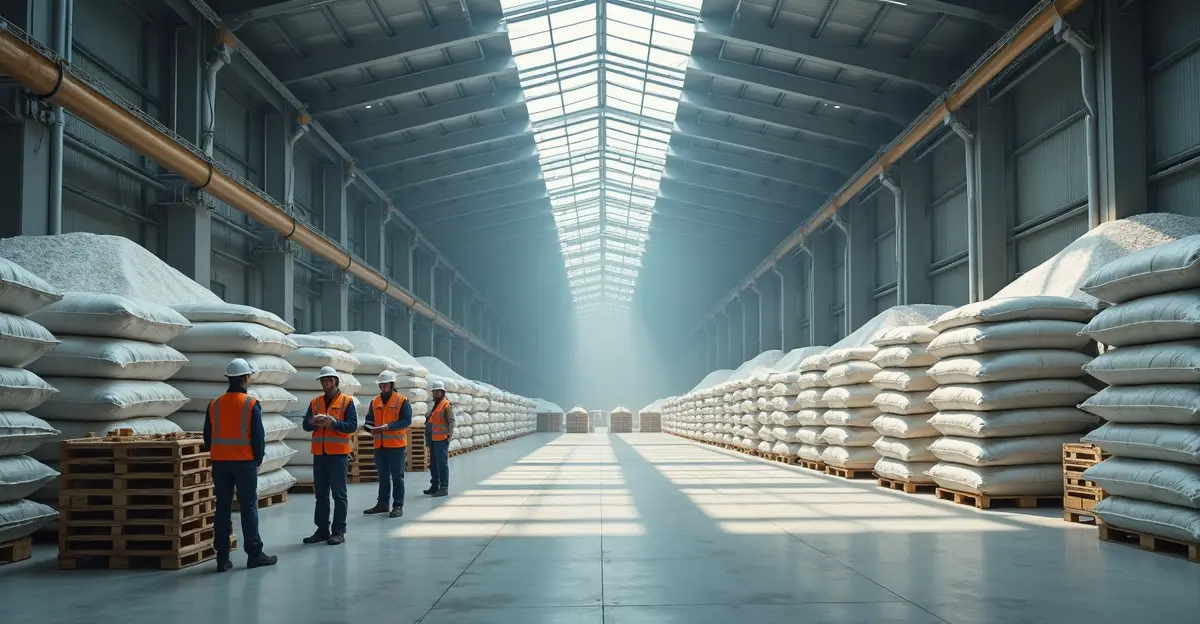
On February 2, 2026, President Donald Trump announced Project Vault—formally the U.S. Strategic Critical Minerals Reserve—at a White House ceremony. Backed by a $10 billion Export-Import Bank loan and nearly $2 billion in private-sector investment, the initiative creates an independently governed public-private partnership to stockpile 60 critical minerals in secure facilities nationwide. EXIM Chairman Jovanovic promoted the initiative on CNBC, Bloomberg, and at the Center for Strategic and International Studies, framing it as a direct analogue to the Strategic Petroleum Reserve. "Project Vault ensures American manufacturers have uninterrupted access to critical materials for national and economic security," he stated. The reserve covers minerals essential to AI, robotics, batteries, and autonomous technologies, addressing what the administration calls a "strategic vulnerability" in domestic supply chains.
Price Floor Mechanisms and Bilateral Frameworks
Alongside Project Vault, the U.S. introduced coordinated demand-side measures. Eleven new bilateral critical minerals frameworks were signed with countries including Argentina, Morocco, the Philippines, the UAE, and the UK. These agreements include action plans for border-adjusted price floors—a mechanism designed to counter Chinese pricing power by guaranteeing minimum prices for Western-produced minerals. The EU critical minerals strategy mirrors this approach, with the European Commission selecting 60 Strategic Projects under the Critical Raw Materials Act to scale domestic processing capacity.
FORGE: The 54-Nation Alliance Replacing the MSP
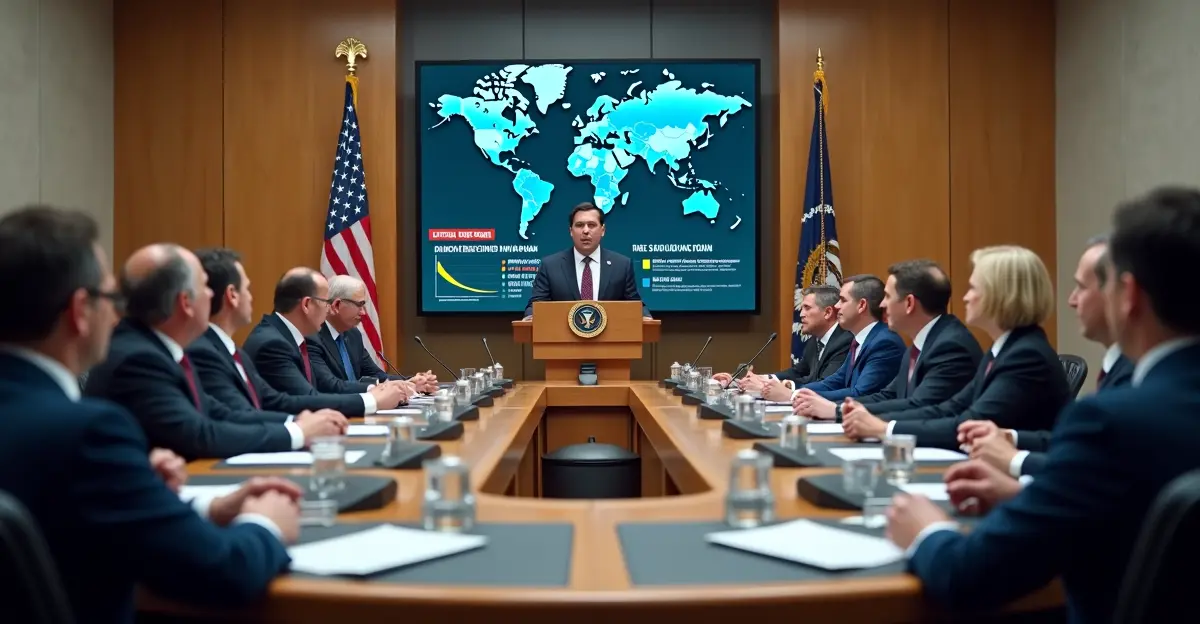
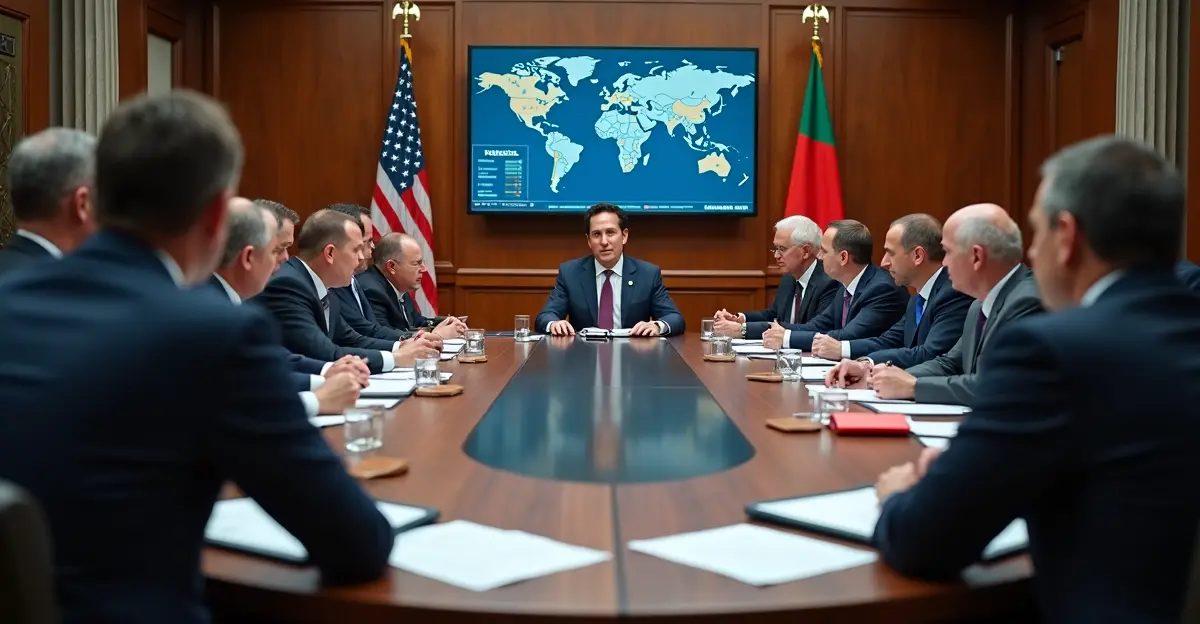
The February 4, 2026 Critical Minerals Ministerial, hosted by Secretary of State Marco Rubio alongside Vice President JD Vance, marked a pivotal moment. Representatives from 54 countries and the European Commission gathered at the State Department to reshape the global critical minerals market. Secretary Rubio announced FORGE (Forum on Resource Geostrategic Engagement) as the successor to the Minerals Security Partnership, with the Republic of Korea assuming the chair. FORGE creates a U.S.-led preferential trade zone focused on policy coordination and project-level investment. The U.S. government has mobilized over $30 billion in letters of interest, investments, and loans over the past six months to support critical mineral supply chain projects. This includes the Glencore-Orion deal in the Democratic Republic of Congo's copper-cobalt operations, backed by a $600 million DFC investment that mobilized $1.2 billion in additional capital—illustrating the Africa critical minerals investment strategy.
China's 15th Five-Year Plan and Export Control Tightening
Beijing has not stood still. China's 15th Five-Year Plan, covering 2026–2030, reinforces the country's strategy of asserting export, industrial, and technological power. New restrictions on unprocessed rare earths took effect January 1, 2026, while categorical prohibitions on exports to U.S. military end-users remain in place. A whitelist system for tungsten, antimony, and silver restricts supply to just 15–44 approved companies per material. Licensing approval rates for European firms have fallen below 25% in some sectors. According to a joint analysis by the European Parliament Research Service, OECD, and CSIS, China is weaponizing control rather than scarcity—using temporary, reversible restrictions to maintain pricing power and extract strategic concessions while preventing large-scale Western alternative investment. Over 80% of European companies depend on Chinese supply chains for materials essential to defense, EVs, and renewable energy. The analysis warns that rebuilding independent alternatives could take 20–30 years, far exceeding the current geopolitical window.
Impact on Global Supply Chains and National Security
The convergence of these developments is reshaping global trade architecture. Western nations face a narrowing 12–18 month window to act decisively, according to the CSIS-led analysis. The energy transition mineral supply chain is at the heart of this struggle, with projections showing China supplying over 60% of refined lithium and cobalt, and around 80% of battery-grade graphite and rare earth elements by 2035. Producer countries are also seeking to capture more value from their mineral wealth, with resource-rich nations like Indonesia, Chile, and the DRC imposing export restrictions or demanding domestic processing. The United Nations has called for a just and equitable transition, with UN Secretary-General António Guterres establishing the Panel on Critical Energy Transition Minerals in April 2024 to ensure human rights and environmental protections are centered in the race for resources.
Expert Perspectives
Analysts at the Overseas Development Institute identify four key dynamics defining 2026: the U.S. pivot to bilateral partnerships and domestic production incentives; the EU's struggle to scale financing for its 60 Strategic Projects; China's entrenchment of dominance through the 15th Five-Year Plan; and producer countries' push for greater value capture. "The critical minerals landscape is being fundamentally redrawn," notes a senior ODI fellow. "What we're seeing is not just a trade dispute but a structural realignment of global industrial power."
Frequently Asked Questions
What is Project Vault?
Project Vault is a $10 billion U.S. initiative launched in February 2026 to establish a Strategic Critical Minerals Reserve, modeled after the Strategic Petroleum Reserve, to stockpile 60 critical minerals for national and economic security.
What is FORGE and how does it differ from the MSP?
FORGE (Forum on Resource Geostrategic Engagement) is the successor to the Minerals Security Partnership, announced at the 2026 Critical Minerals Ministerial. It expands the MSP's 14-member framework to 54 participating countries, creating a broader U.S.-led preferential trade zone for critical minerals.
How is China tightening its grip on critical minerals in 2026?
China's 15th Five-Year Plan reinforces its dominance through new export controls on unprocessed rare earths, a whitelist system for tungsten and antimony, and continued prohibitions on exports to U.S. military end-users. Licensing approval rates for European firms have fallen below 25%.
Why are critical minerals important for national security?
Critical minerals are essential for defense systems (fighter jets, missiles), energy transition technologies (EV batteries, wind turbines), and advanced electronics (AI chips, robotics). Dependency on a single supplier creates strategic vulnerabilities that can be exploited during geopolitical tensions.
What is the timeline for Western nations to build alternative supply chains?
Analysts estimate a 12–18 month window for decisive action, while rebuilding fully independent supply chains could take 20–30 years due to the complexity of mining, processing, and refining infrastructure.
Conclusion: A New Era of Mineral Sovereignty
The critical minerals arms race of 2026 marks a decisive escalation in the resource rivalry between the U.S.-led alliance and China. Project Vault, FORGE, and the 54-nation ministerial represent the most ambitious Western effort yet to break Chinese dominance, but the scale of the challenge is immense. With China controlling the vast majority of processing capacity and a 20–30 year lead in infrastructure, the outcome of this struggle will determine not only the pace of the energy transition but also the balance of global economic and military power for decades to come. The next 12–18 months will be critical.


Follow Discussion