


 Deutsch
 English
 Español
 Français
 Nederlands
 Português


 Share
Share




North Korea Nuclear Expansion: IAEA Warns of 'Very Serious' Weapons Capability Growth
The International Atomic Energy Agency (IAEA) has issued a stark warning about North Korea's rapidly expanding nuclear weapons capabilities, with Director General Rafael Grossi describing the situation as a 'very serious expansion' of the country's ability to produce nuclear weapons. According to the UN atomic watchdog, activities at North Korea's Yongbyon nuclear facility have accelerated dramatically, raising concerns about the potential for dozens of new nuclear warheads to be produced in the coming months.
What is the Yongbyon Nuclear Facility?
The Yongbyon Nuclear Scientific Research Center is North Korea's primary nuclear complex, located approximately 100 kilometers north of Pyongyang. This facility has been central to North Korea's nuclear weapons program since its establishment, housing multiple reactors and uranium enrichment capabilities. The complex includes a 5 MWe experimental reactor, fuel fabrication plants, and reprocessing facilities that can extract plutonium from spent nuclear fuel. The North Korean nuclear program timeline shows that Yongbyon has been operational since the 1980s, with periods of activity and shutdowns based on diplomatic negotiations.
Current Expansion Activities
According to IAEA Director General Rafael Grossi, who made the warning during a visit to South Korea, multiple facilities at Yongbyon are now operating at 'high tempo.' The most concerning development involves the reactor previously shut down following negotiations with the United States, which has been reactivated and is now operating at increased capacity for uranium enrichment.
Key Developments at Yongbyon:
- Reactivated reactor operating at accelerated pace for uranium enrichment
- Multiple facilities running simultaneously at 'high tempo'
- Increased production capacity for weapons-grade material
- Estimated capability to produce 'several dozen' nuclear warheads
'The North Koreans are engaged in a very serious expansion of their capability to produce nuclear weapons,' Grossi stated during his South Korea visit. 'We are seeing multiple facilities at Yongbyon being brought into use at a high tempo.'
Historical Context and Sanctions
North Korea conducted its first nuclear test in 2006 and has since faced extensive United Nations sanctions aimed at curbing its nuclear ambitions. The country has conducted six confirmed nuclear tests between 2006 and 2017, with the most powerful being the 2017 test estimated at 100-250 kilotons. Despite international pressure and sanctions, North Korea has continued to develop its nuclear and missile programs, with recent tests demonstrating increasingly sophisticated delivery systems.
The current expansion comes amid heightened regional tensions and follows similar patterns seen in other nuclear proliferation cases worldwide. The Yongbyon facility has a complex history of operation and shutdowns, having been temporarily closed under the 1994 Agreed Framework with the United States, only to be restarted when that agreement collapsed in 2002.
Regional Security Implications
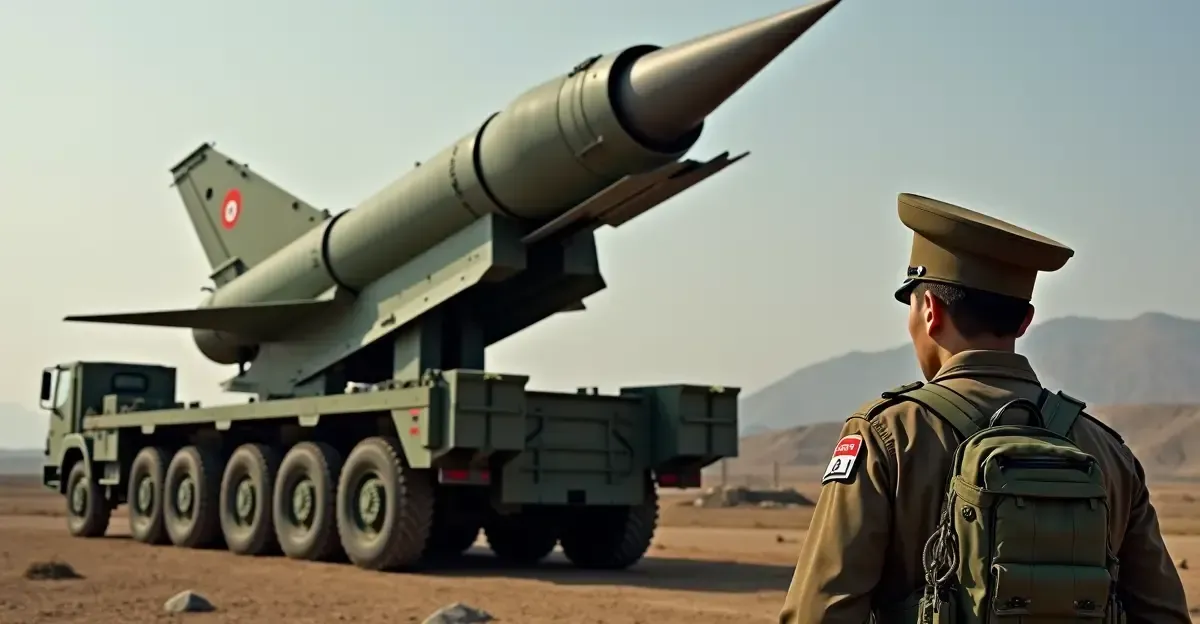
The accelerated nuclear activities at Yongbyon have significant implications for regional security in Northeast Asia. With the potential to produce dozens of additional nuclear warheads, North Korea's expanded capabilities could alter the strategic balance on the Korean Peninsula and beyond. South Korea, Japan, and the United States have all expressed concern about these developments, with diplomatic efforts to address North Korea's nuclear program having stalled in recent years.
Experts warn that the current expansion could be motivated by several factors, including:
- Strengthening North Korea's bargaining position in future negotiations
- Developing a more credible nuclear deterrent against perceived threats
- Advancing technological capabilities for both weapons and potential energy applications
- Responding to regional security dynamics and global tensions
International Response and Monitoring Challenges
The IAEA faces significant challenges in monitoring North Korea's nuclear activities, as the country expelled IAEA inspectors in 2009 and has since limited international access to its nuclear facilities. Current monitoring relies primarily on satellite imagery and other remote sensing technologies, which can detect signs of activity but provide limited insight into the exact nature and scale of operations.
Rafael Grossi, who became IAEA Director General in December 2019, has extensive experience with nuclear diplomacy, having previously visited North Korean nuclear facilities and participated in negotiations with Iran over its nuclear program. His warning about the current expansion reflects the agency's assessment that North Korea is making significant progress in its nuclear weapons capabilities despite international sanctions and diplomatic pressure.
FAQ: North Korea Nuclear Expansion
What is the Yongbyon nuclear facility?
Yongbyon is North Korea's primary nuclear research and production center, housing reactors, enrichment facilities, and reprocessing plants crucial for producing weapons-grade nuclear material.
How many nuclear warheads could North Korea produce with this expansion?
IAEA Director General Rafael Grossi estimates the expanded capabilities could allow North Korea to produce 'several dozen' additional nuclear warheads.
When did North Korea conduct its first nuclear test?
North Korea conducted its first nuclear test in 2006 and has conducted six confirmed tests total, with the most recent in 2017.
What sanctions does North Korea face for its nuclear program?
North Korea has been under United Nations sanctions since 2006, with multiple resolutions imposing economic restrictions aimed at curbing its nuclear and missile programs.
How does the IAEA monitor North Korea's nuclear activities?
Since being expelled from North Korea in 2009, the IAEA relies on satellite imagery, seismic monitoring, and other remote sensing technologies to track nuclear activities.


Follow Discussion