


 Deutsch
 English
 Español
 Français
 Nederlands
 Português


 Share
Share




What is North Korea's Nuclear Arsenal Status in 2026?
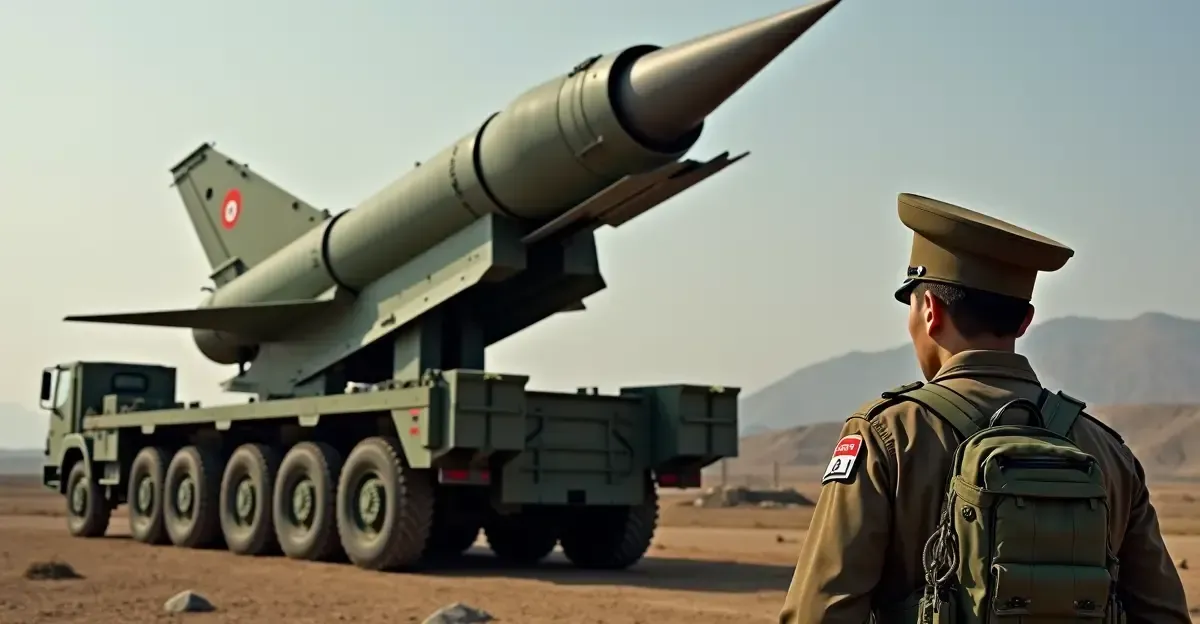
The ongoing Middle East conflict between Iran, Israel, and the United States is creating ripple effects across global security landscapes, with North Korea's nuclear weapons program emerging as a critical concern. According to recent analyses, North Korean leader Kim Jong-un may accelerate his nuclear arsenal expansion in response to the Iran war, viewing nuclear weapons as essential for regime survival. This development comes as North Korea maintains approximately 50 nuclear warheads with capacity for dozens more, according to the 2025 Stockholm International Peace Research Institute (SIPRI) report.
How the Middle East Conflict Impacts North Korea's Nuclear Calculus
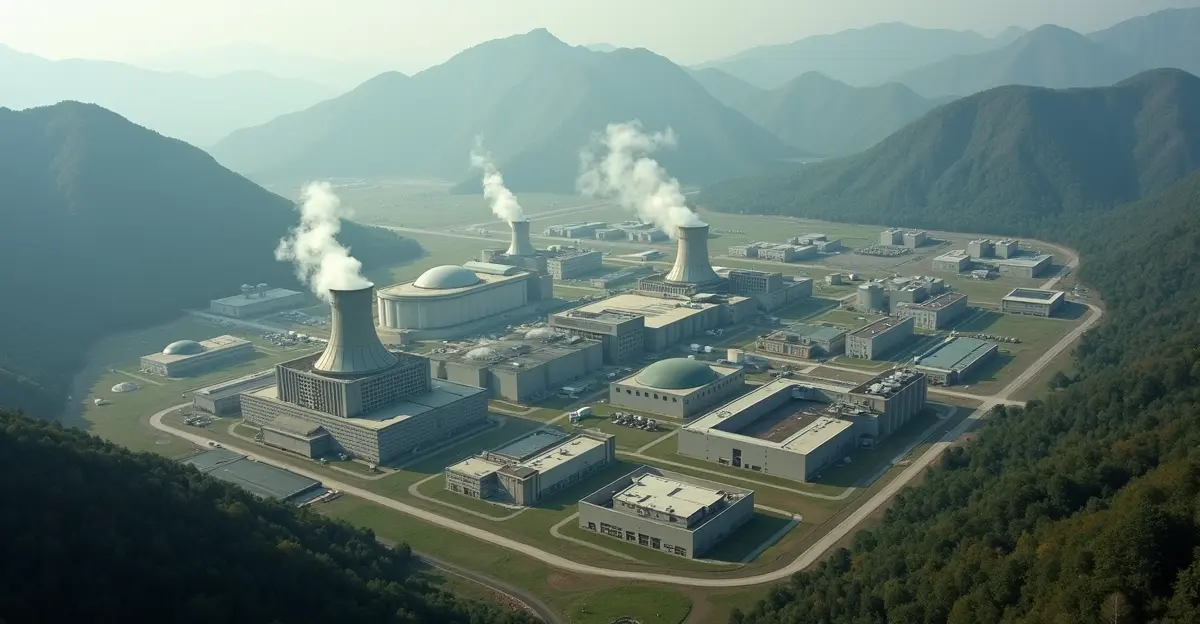
The US-Israeli military campaign against Iran, which began with strikes on Iranian nuclear facilities in June 2025 and escalated dramatically in February 2026, has sent shockwaves through authoritarian regimes worldwide. For North Korea, the conflict reinforces a fundamental belief: non-nuclear states face existential threats while nuclear-armed regimes enjoy relative security. 'The situation in Iran demonstrates precisely why North Korea cannot afford to abandon its nuclear deterrent,' explains Song Seong-jong, professor at Daejeon University and former South Korean defense ministry official.
North Korea's measured response to the Middle East conflict—condemning the attacks as 'illegal aggression' while avoiding direct involvement—reflects strategic calculation rather than indifference. Pyongyang's Foreign Ministry statement took over 24 hours to materialize, suggesting careful deliberation about how to position itself amid global tensions. This cautious approach contrasts with North Korea's more aggressive responses to other international incidents, indicating the regime's recognition of the conflict's complex implications.
North Korea's Current Nuclear Capabilities
According to SIPRI's 2025 assessment, North Korea possesses:
- Approximately 50 nuclear warheads in its arsenal
- Sufficient fissile material for 6-7 additional weapons annually
- Intercontinental ballistic missile (ICBM) development programs
- Submarine-launched ballistic missile capabilities under development
- Chemical weapons stockpiles estimated at up to 5,000 tons
The country conducted its last nuclear test in 2017 but has continued missile development, including recent naval missile tests with nuclear capabilities. North Korea's partnership with Russia, solidified through a 2024 security treaty, provides potential technology transfer and sanctions bypass opportunities that could accelerate nuclear advancement.
Strategic Implications: Nuclear Weapons as Regime Insurance
For Kim Jong-un, nuclear weapons represent more than military assets—they serve as political insurance against the fate of leaders like Saddam Hussein and Muammar Gaddafi. The US military interventions in Iraq and Libya loom large in North Korean strategic thinking, reinforcing the belief that only nuclear deterrence prevents regime change. This perspective has gained urgency as Iran—a non-nuclear state—faces devastating attacks despite its conventional military capabilities.
North Korea's deepening alliances with Russia and China provide additional security layers while complicating international pressure. The Russia-North Korea security treaty signed in 2024 creates mutual defense obligations, though questions remain about Russia's reliability given its Ukraine war commitments. China maintains economic ties with North Korea while balancing its own regional interests, creating a complex diplomatic landscape for potential negotiations.
Potential Trump-Kim Negotiations: A Delicate Balance
As President Donald Trump prepares for potential talks with Kim Jong-un during his upcoming China visit, the Middle East conflict creates both opportunities and obstacles. Trump has expressed openness to renewed dialogue, but the Iran war may make Kim more cautious about negotiations. 'Trump's willingness to use military force against Iran reinforces North Korea's belief that only nuclear weapons guarantee security,' notes a recent analysis in The Guardian.
North Korea's negotiating position remains consistent: Washington must accept Pyongyang as a legitimate nuclear state. This fundamental demand clashes with longstanding US non-proliferation objectives, creating a diplomatic impasse that the Middle East conflict may only deepen. Some analysts believe the Iran war reduces the likelihood of a nuclear deal, as Kim becomes more convinced of nuclear weapons' necessity.
Global Nuclear Landscape: A Dangerous New Arms Race
The SIPRI 2025 Yearbook warns of a 'dangerous new nuclear arms race' as arms control regimes weaken globally. With 12,241 nuclear warheads worldwide—including 9,614 in military stockpiles—the post-Cold War reduction era appears to be ending. North Korea's potential arsenal expansion occurs alongside China's rapid nuclear buildup (approximately 100 new warheads annually) and continued modernization programs by Russia and the United States.
This broader context makes North Korea's nuclear ambitions particularly concerning. As global nuclear proliferation trends accelerate, regional stability in Northeast Asia faces increasing pressure. South Korea and Japan, both US allies within range of North Korean missiles, must navigate complex security calculations while managing their own defense postures.
Frequently Asked Questions
How many nuclear weapons does North Korea have?
North Korea currently possesses approximately 50 nuclear warheads according to the 2025 SIPRI report, with capacity to produce 6-7 additional weapons annually from its fissile material stockpiles.
Why would the Middle East war affect North Korea's nuclear program?
The conflict demonstrates to North Korea that non-nuclear states face existential threats, reinforcing Kim Jong-un's belief that nuclear weapons are essential for regime survival against potential US military intervention.
What is North Korea's relationship with Russia and China?
North Korea has deepened partnerships with both countries, signing a security treaty with Russia in 2024 and maintaining economic ties with China. These relationships provide diplomatic support and potential technology transfer opportunities.
Are Trump-Kim negotiations likely in 2026?
While both leaders have expressed openness to talks, the Middle East conflict may make Kim more cautious. North Korea demands recognition as a nuclear state—a condition the US has historically rejected.
What are the global implications of North Korea's nuclear expansion?
North Korea's potential arsenal growth contributes to a broader nuclear arms race, increases regional tensions in Northeast Asia, and challenges international non-proliferation efforts.

Follow Discussion