


 Deutsch
 English
 Español
 Français
 Nederlands
 Português


 Share
Share




What is the Iranian Embassy Viral Campaign Against Trump?
In April 2026, Iranian embassies worldwide launched a coordinated social media campaign mocking former US President Donald Trump's profanity-laden threats against Iran over the Strait of Hormuz crisis. This unprecedented diplomatic trolling operation went viral across multiple platforms, representing a new era of digital diplomacy where traditional statecraft meets internet culture. The campaign began after Trump's April 5th Truth Social post demanding Iran 'Open that damn Strait!' and threatening to destroy Iranian infrastructure on what he called 'Power Plant Day and Bridge Day.'
Background: The Strait of Hormuz Crisis
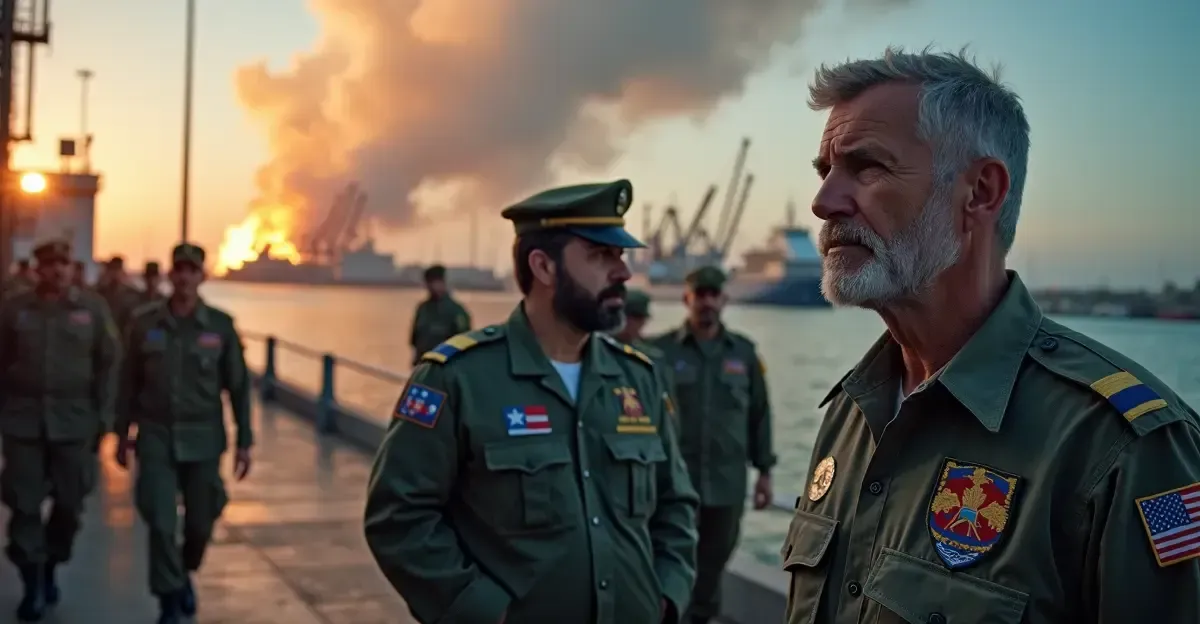
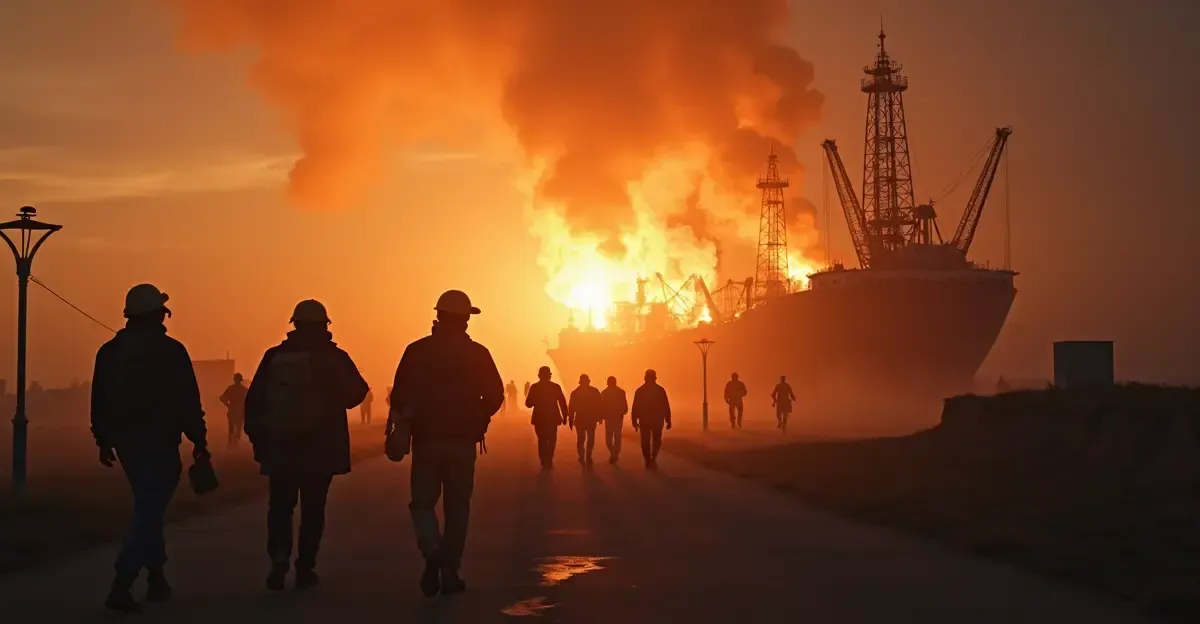
The Strait of Hormuz is one of the world's most critical maritime chokepoints, handling approximately 20-30% of global oil shipments through its narrow 21-mile passage. Since February 2026, tensions have escalated dramatically as Iran has threatened to close the strait in response to US-Israeli military actions. The current crisis mirrors previous Middle East geopolitical conflicts but with unprecedented digital dimensions. Trump's administration has demanded Iran reopen the waterway by specific deadlines, threatening severe military consequences if compliance isn't met.
How Iranian Embassies Responded to Trump's Threats
Global Diplomatic Mockery Campaign
Iranian diplomatic missions across five continents launched a synchronized social media offensive targeting Trump's rhetoric and mental fitness. The campaign included:
- Zimbabwe Embassy: 'We've lost the keys' to open the Strait of Hormuz
- South Africa Mission: Suggested 'the key's under the flowerpot' and urged consideration of the 25th Amendment for presidential removal
- Bulgaria Embassy: Posted that doors are open for friends, but 'friends of Epstein need a key' - referencing Trump's connection to convicted sex offender Jeffrey Epstein
- India Embassy: Told Trump to 'Get a grip on yourself, old man!'
- Austria Embassy: Placed an '18+' warning on Trump's post, calling it inappropriate for minors
Psychological Warfare Through Social Media
This coordinated response represents a strategic shift in diplomatic communication. Rather than traditional formal protests, Iranian diplomats employed humor, satire, and internet memes to undermine Trump's threats psychologically. The campaign successfully turned what could have been intimidating rhetoric into global mockery, with posts being shared millions of times across social platforms. This approach follows similar patterns seen in modern information warfare tactics where perception management becomes as important as military positioning.
Trump's Original Threat and Escalating Tensions
On April 5, 2026, Trump posted on Truth Social: 'Tuesday will be in Iran both 'Power Plant Day' and 'Bridge Day,' everything in one. There will be nothing comparable!!! Open that damn Strait, you crazy bastards, or you'll be living in hell - WATCH OUT! All praise to Allah. President DONALD J. TRUMP.' This followed weeks of escalating threats where Trump promised to bomb Iran 'back to the Stone Age' and destroy Iranian civilization.
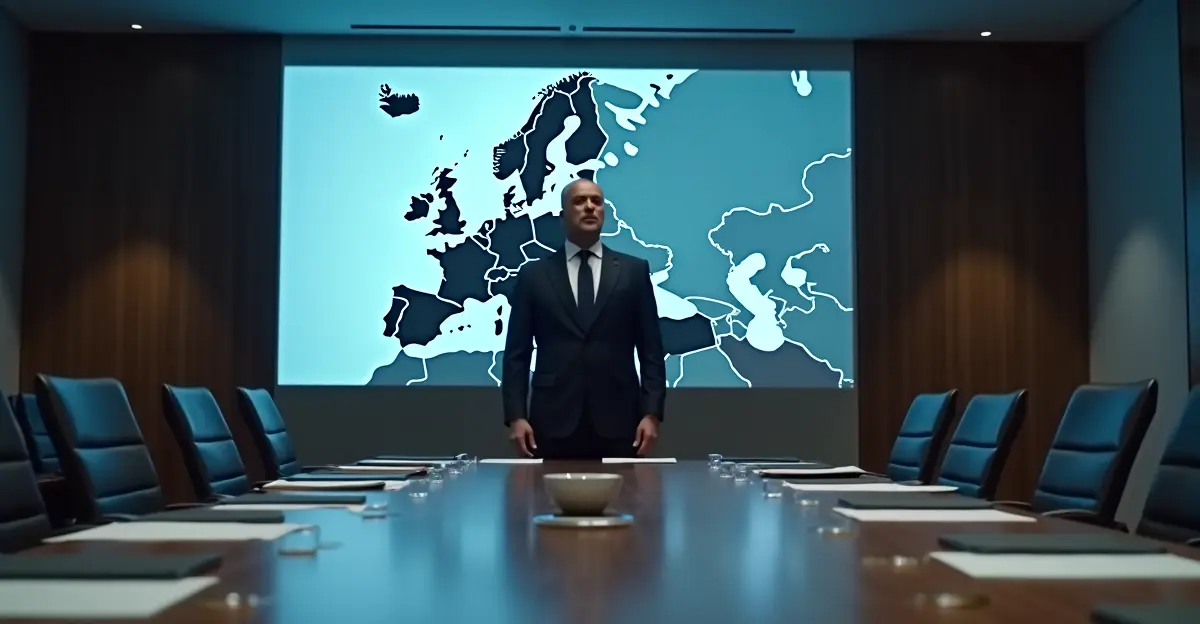
The timing coincided with Iran cutting all direct diplomatic communications with the United States hours before Trump's self-imposed deadline. According to The Wall Street Journal, Tehran suspended all official channels while maintaining backchannel negotiations through ceasefire mediators. This diplomatic rupture represents the most severe breakdown in US-Iran relations since the 2025 nuclear negotiations collapsed.
Impact and Implications of Viral Diplomatic Trolling
Changing Diplomatic Norms
The Iranian embassy campaign signals a fundamental shift in how nations conduct diplomatic disputes in the digital age. Key implications include:
- Public Diplomacy 2.0: Traditional behind-closed-doors diplomacy is being supplemented by public social media campaigns
- Psychological Operations: States now use viral content as psychological warfare tools
- Audience Engagement: Diplomatic messages are crafted for maximum social media engagement rather than formal communication
- Global Amplification: Local embassy accounts can coordinate to create global trending topics
Economic and Strategic Consequences
The underlying Strait of Hormuz crisis has severe economic implications. According to UNCTAD data, ship transits through the strait have plummeted 95% from 130 daily in February to just 6 in March 2026. This disruption has caused:
- Global oil prices to surge from $67 to over $100 per barrel
- US gasoline prices to rise from $2.90 to $3.84 per gallon
- Projected global trade growth to decelerate from 4.7% in 2025 to 1.5-2.5% in 2026
Frequently Asked Questions
What triggered the Iranian embassy viral campaign?
The campaign was triggered by Donald Trump's April 5, 2026 Truth Social post threatening Iran with destruction if they didn't reopen the Strait of Hormuz. Iranian embassies responded with coordinated mockery across social media platforms.
How many Iranian embassies participated in the campaign?
At least 12 Iranian diplomatic missions across five continents participated, including embassies in Zimbabwe, South Africa, Bulgaria, India, Austria, London, Tajikistan, Indonesia, Armenia, Thailand, Finland, and Moscow.
What is the strategic importance of the Strait of Hormuz?
The Strait of Hormuz handles 20-30% of global oil shipments and 45% of global sulfur exports. Its 21-mile width makes it vulnerable to blockades, giving Iran significant leverage in regional conflicts.
Has Iran cut diplomatic ties with the US?
Yes, Iran suspended all direct diplomatic communications with the United States hours before Trump's April 2026 deadline, though backchannel negotiations through mediators continue.
What are the economic impacts of the Strait of Hormuz crisis?
The disruption has caused global oil prices to surge over 50%, shipping costs to skyrocket, and projected global economic growth to slow from 2.9% to 2.6% in 2026.


Follow Discussion